Buttons or Zipper? Choosing the Right Back for Your Wedding Dress
When choosing a wedding dress, the smallest details can make the biggest difference. Buttons or a zipper may seem like a simple decision, but this choice can shape not only the look of your gown but also how stress-free (or tricky) it feels to put on. Here’s what to consider when deciding between the two—and how to make the process smoother if you choose buttons.

A quiet moment of joy—every detail coming together before the big reveal.
When it comes to picking the perfect wedding dress, most brides focus on the silhouette, fabric, and neckline. But there’s one detail that doesn’t always get the spotlight until it matters most: how the dress actually closes. Whether you choose delicate buttons or the ease of a zipper, that small detail can make a big difference on your wedding day.

A row of delicate buttons adds timeless charm and detail to the gown.
The photos above of one of my past brides getting ready show just how much care goes into those final moments—every button fastened, every detail perfected. That simple process of getting into the dress can be either smooth and stress-free or unexpectedly tricky, depending on what you’ve chosen.
Why Choose Buttons or a Zipper?
Here are three reasons why a bride might choose one over the other:
1. Aesthetic Appeal
Buttons add a timeless, romantic touch. They often give the illusion of being hand-sewn down the back, which photographs beautifully. Zippers, on the other hand, keep the look sleek and simple while staying hidden behind fabric.
2. Functionality
A zipper is quick and efficient, perfect if you want to minimize time spent getting dressed. Buttons, while more intricate, can feel more secure once they’re fastened and can hold the structure of a gown firmly in place.
3. Tradition vs. Convenience
For many, buttons feel classic and bridal, a nod to tradition. A zipper is modern, practical, and less of a hassle. The choice often comes down to whether you want that timeless bridal feel or a more streamlined experience.
Making the Buttoning Process Easier

Final touches—buttons secured with love and care before the ceremony.
If you do choose buttons, don’t worry—it doesn’t have to be stressful. Here are three ways to make the process easier:
1. Use a Crochet Hook (or Similar Tool)
A small crochet hook slips the loops over buttons quickly and saves fingers from cramping. I’ve even used a short hex tool from my keychain in a pinch—it works just as well!
2. Start from the Top
Fasten the top button first to anchor the dress in place. From there, work downward. This keeps the fabric from shifting and makes it easier to stay aligned.
3. Have Patience (and a Steady Hand)
Don’t rush. Give yourself extra time in the schedule for buttoning. Having a calm, steady hand—whether it’s your mom, maid of honor, or a bridesmaid—makes all the difference.
Whether you go with the classic row of buttons or the ease of a hidden zipper, it’s all about what feels right for you. Remember, this is one of the last steps before you step into the day you’ve been dreaming of. The details matter—but so does the experience of getting there.
If you’re in the middle of wedding planning and would like to chat about photography and videography for your day, fill out the contact form below—I’d love to connect with you.


5 Tips for Planning an Unplugged Wedding Ceremony
An unplugged wedding ceremony keeps guests present and ensures your photographer and videographer can capture the moments without distraction. In this post, I’m sharing five practical tips to help you plan an unplugged ceremony that works—from setting expectations early to giving guests a brief “phone moment” before the vows begin.

Phones are everywhere.
They’re in our pockets, at our fingertips, and—if we’re not careful—right in the middle of a couple’s wedding aisle.
An unplugged ceremony changes that. It’s your choice to ask guests to put away phones and cameras so the moment can be experienced without distractions. It keeps everyone present and gives your photographer and videographer the space they need to do their jobs without dodging arms holding phones.
Here’s how to make it happen—and keep it that way.
1. Announce It Before the Wedding
Set expectations early. Include a short note on your invitations, wedding website, or in an email to guests. Something simple works best: “We’re having an unplugged ceremony. Please keep phones away until after we say ‘I do.’”
2. Have Your Officiant Remind Everyone
Even with notice, guests may forget. Ask your officiant to make a brief announcement before the ceremony begins. Hearing it right before the processional helps it stick.
3. Use Signage at the Entrance
Place a sign where guests enter the ceremony space. It’s a friendly, visual reminder without singling anyone out.
4. Give the Why
People respond better when they understand the reason. You don’t need a long explanation—just let them know you’ve hired professionals to capture the day, and you’d love for everyone to be fully present in the moment.
5. Build in a “Phone Moment”
A great way to keep phones tucked away later is to give guests a brief window for photos right after the processional, before your vows begin. Your officiant can say, “The couple invites you to take 30 seconds for a quick photo, then please put your phones away for the rest of the ceremony.” Guests get their keepsake shot, and you get a distraction-free ceremony.
An unplugged ceremony isn’t about taking something away—it’s about giving your guests the chance to be part of the moment while ensuring your photographer and videographer can capture it without obstruction.
If you’re ready to plan your unplugged ceremony and have it beautifully documented, fill out the contact form below so we can talk about your wedding day.

Should You Have Speeches at Your Wedding? Here’s What to Consider
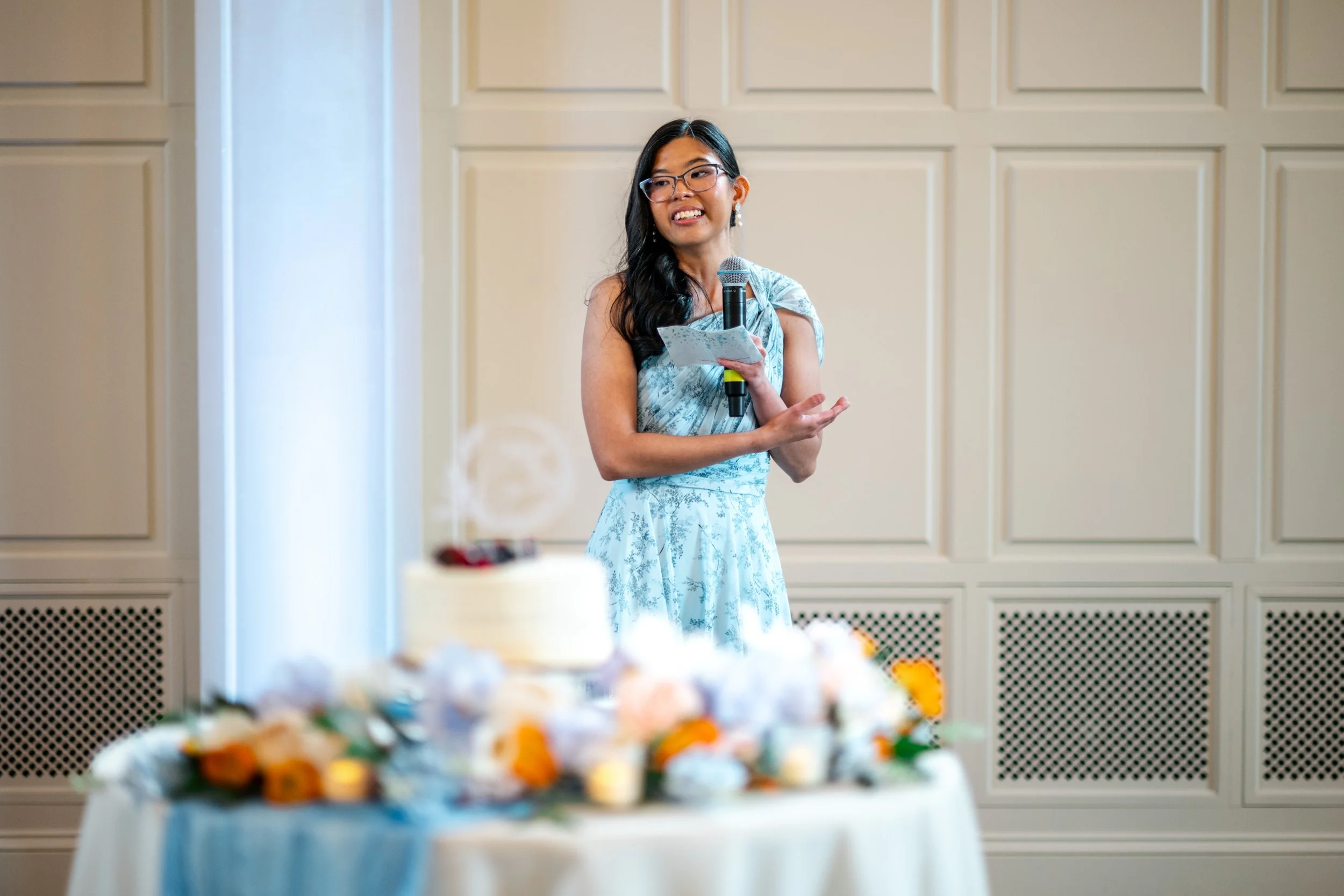
Not sure if you should have speeches at your wedding? Some couples love heartfelt toasts, while others prefer to keep the night moving without interruptions. This guide breaks down the pros and cons of wedding speeches, plus expert tips to keep them short, meaningful, and well-timed for a smooth reception.
When planning your wedding, there are a lot of big decisions—venue, dress, guest count—but sometimes, it’s the smaller choices that catch couples off guard. One of those is whether or not to allow speeches during the reception.
Some couples love the idea of heartfelt toasts and shared stories. Others want to keep the night moving without any interruptions. If you’re torn, this guide will help you weigh the pros and cons. Plus, if you do decide to include speeches, I’ll share some tips to make sure they’re well-managed and don’t take away from the flow of the night.
3 Reasons to Include Speeches on Your Wedding Day
1. They Add Heart and Personality to the Night
A great speech brings emotion, humor, and a personal touch to your wedding. The best ones feel like mini love letters—not just to you, but to the story you share as a couple. These moments often become some of the most cherished parts of the night, and they’re always incredible to capture in both photo and video.
2. They Give Loved Ones a Chance to Participate
Your wedding is about more than just the two of you—it’s also about the people who have shaped your journey. Giving parents, siblings, or close friends a chance to speak can be a meaningful way to involve them in the celebration.
3. They Can Create Lasting Memories
Some of the best wedding moments happen during speeches. Maybe your best friend shares a hilarious inside joke, or your father-in-law says something that hits right in the heart. These are moments that stick with you—and that you’ll love looking back on later.
3 Reasons to Skip Speeches Altogether
1. They Can Disrupt the Flow of the Reception
A reception should feel seamless, and sometimes, speeches can break the momentum—especially if they go on too long or aren’t well-timed. If you want the night to feel more like a party, skipping speeches can help keep the energy up.
2. Not Everyone Is a Great Public Speaker
While some people give beautiful, thoughtful toasts, others… don’t. Whether it’s nerves, rambling, or an unplanned speech from an overenthusiastic guest, not every toast lands the way you hope. If you’re worried about this, you might prefer to skip them altogether.
3. You Want to Keep the Focus on the Celebration
Some couples feel that speeches make the night about the people talking rather than about the couple getting married. If you’d rather keep the attention on the experience—great food, dancing, and celebrating together—then skipping speeches might be the way to go.
Bonus: If You Decide to Allow Speeches, Here’s How to Keep Them Under Control
Limit the Number of Speakers
Stick to just 2-4 speakers. A couple of short, well-planned toasts are far more memorable than an endless lineup of people grabbing the mic. Typically, the best speakers are parents, the best man, and the maid of honor—but it’s your call!
Set Time Limits
Ask each speaker to keep it between 3-4 minutes. Anything longer can start to feel like a TED Talk rather than a toast. Let them know ahead of time so they can prepare something short, sweet, and meaningful.
Vet the List in Advance
Make sure you know who’s speaking. This isn’t an open mic night, and you don’t want any surprises—especially from guests who may have had a little too much to drink. Your DJ or MC can help ensure that only pre-approved speakers take the mic.
Schedule Them Between Key Moments—Not During Dinner
The best time for speeches is when guests are naturally attentive but not distracted. Avoid scheduling them during dinner—people will be focused on eating, there will be constant clinking of plates, and overall engagement will be lower. Instead, consider these timing options:
Right after entrances, before the first course is served – Everyone is seated, the excitement is high, and the focus is still on the newlyweds.
After dinner but before dancing begins – This gives guests a moment to settle before the party officially kicks off.
Keeping speeches out of dinner service ensures they get the attention they deserve without feeling like an interruption.
Final Thoughts
At the end of the day, whether or not to include speeches is entirely up to you. If you love the idea of hearing heartfelt words from your closest people, go for it. If you’d rather keep things moving and avoid the unpredictability, that’s completely valid too.
Either way, make sure the choice reflects what you and your partner truly want—not just what’s expected.
If you’re still piecing together your wedding timeline and want to make sure everything runs smoothly—including speeches—I’d love to help. Fill out the contact form below if you’re looking for photography or videography, and let’s talk about how we can capture your day in a way that feels right for you.

5 Essential Questions to Ask Your Wedding Photographer or Videographer Before Booking
Choosing the right wedding photographer or videographer is about more than just loving their portfolio—it’s about finding someone who understands your vision and knows how to capture your emotions authentically. In this guide, I’ll walk you through five essential questions to ask before booking, ensuring your wedding day is documented in a way that feels true to you.

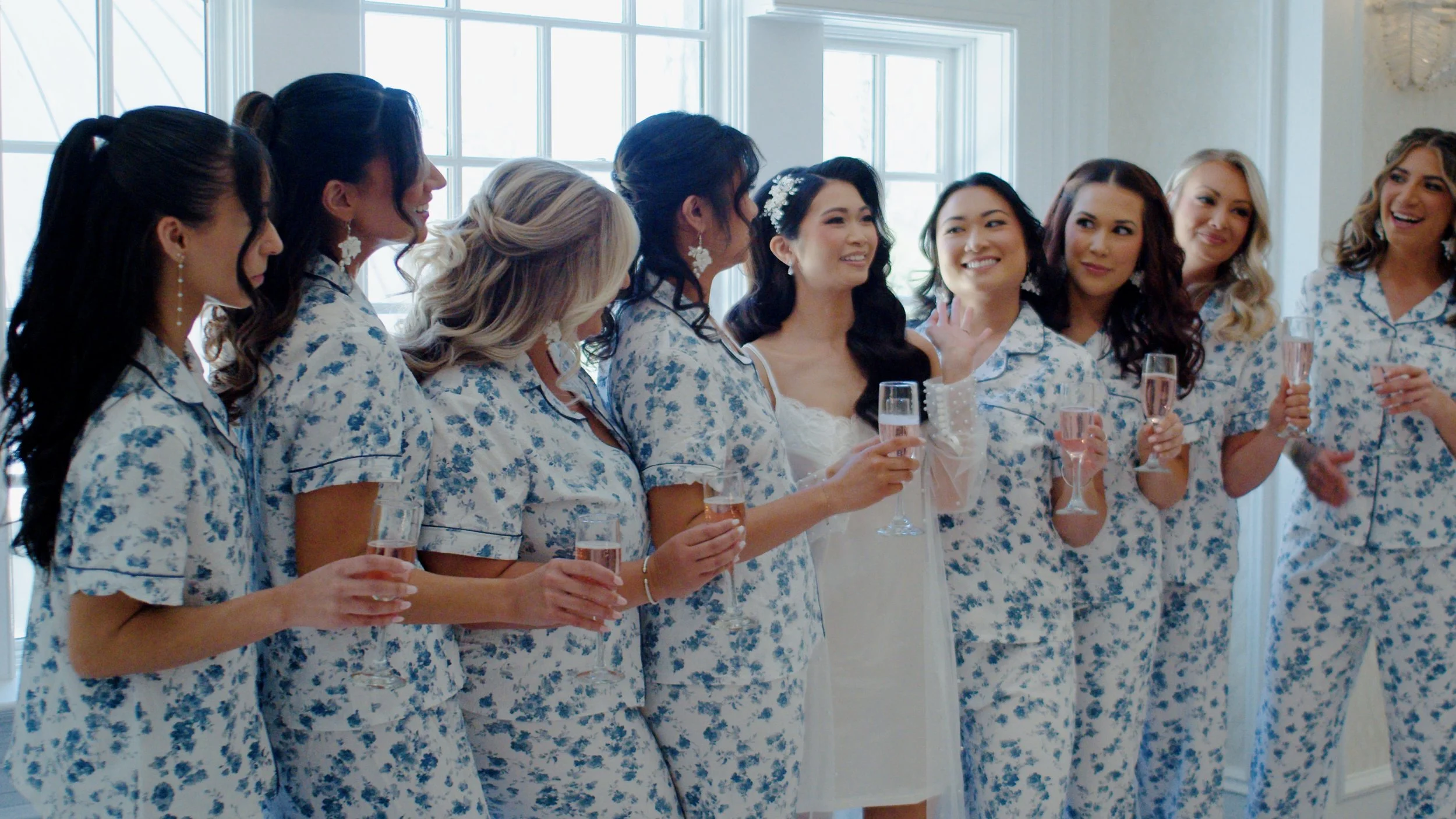
Your wedding photographer should know how to capture moments like this—where joy, love, and excitement unfold naturally. Asking the right questions ensures you find someone who helps you feel comfortable and confident, turning genuine emotions into timeless images.
When hiring a wedding photographer or videographer, it’s about more than just beautiful images—it’s about finding someone who understands you, your vision, and how to capture the emotions of your day authentically. Your wedding is filled with moments of joy, love, and connection, and the right professional will know how to bring those moments to life in a way that feels true to you.
I love when couples ask thoughtful questions because it helps ensure we’re the right fit. Here are five key questions to ask before booking your photographer or videographer.
1. How Do You Capture Natural, Emotional Moments?
Your wedding imagery should reflect your personalities and emotions, not just staged poses. Every photographer and videographer has their own approach, so ask how they help couples feel comfortable in front of the camera.
For me, it’s all about creating an environment where you feel at ease. I won’t force you into stiff, awkward poses. Instead, I focus on real interactions—gentle touches, stolen glances, inside jokes—so that your photos and films express genuine emotion. My goal is to make you feel open to being open, allowing the joy of your day to come through effortlessly.
You can read more about my approach and what to expect here on my FAQ page.
2. What’s Your Process on the Wedding Day?
Every wedding professional works differently, so it’s important to know what to expect. Some photographers and videographers are hands-off, while others take a more guided approach.
My process is about balance—I let your day unfold naturally while stepping in when needed to keep things flowing smoothly. During key moments like your first look or couple’s portraits, I’ll provide gentle direction to ensure you look and feel your best. But I also know when to fade into the background, capturing those in-between moments that tell the real story of your day.
To get a better idea of how I work, check out my full breakdown on my FAQ page.
3. Do You Have an FAQ Page?
This might not be the first question that comes to mind, but it can make your entire experience smoother. A well-organized FAQ page allows you to get answers to common questions quickly—like how many images you’ll receive, how long it takes to get your gallery, and whether your photographer is insured—so that when you have a conversation, you can focus on what really matters.
I keep my FAQ page up to date for exactly this reason. I want my couples to spend our time talking about their wedding vision, the moments that are most important to them, and how I can best serve them—not just going over basic details that can be easily found online.
4. What’s Included in Your Packages, and Can They Be Customized?
Not all wedding photography and videography packages are the same. Some professionals have set packages, while others (like me) offer flexible options to fit your needs.
I offer full-day photography and videography coverage, as well as options for elopements, micro weddings, and customizable add-ons like drone footage and extended highlight films. I also believe in full transparency—my pricing includes tax, and there are no hidden fees. What you see on my website is exactly what you’ll pay.
If you want to dive into the details, I break everything down on my FAQ page, including what’s included in each package and how you can tailor it to your needs.
5. How Do You Handle Unexpected Challenges on the Wedding Day?
Things don’t always go as planned—timelines shift, weather changes, and unexpected moments happen. You want a photographer or videographer who knows how to adapt and problem-solve without adding stress to your day.
I’ve worked in every scenario imaginable, from tight timelines to unexpected rain, and my approach is always to stay calm, flexible, and solution-oriented. Whether it’s adjusting the schedule on the fly, finding the best light in any situation, or keeping things lighthearted when nerves kick in, I’m there to make sure your day runs smoothly.
For more insight into how I handle different scenarios, take a look at my FAQ page.
Final Thoughts
Choosing your wedding photographer or videographer is about more than just loving their portfolio—it’s about finding someone who understands you, your vision, and how to capture your day in a way that feels real and meaningful.
If you’re planning a wedding in New Jersey, New York, or anywhere in the Northeast, I’d love to chat about how I can bring your vision to life. Before we talk, feel free to check out my FAQ page for answers to the most common questions couples ask. And if you have any other questions, reach out—I’m happy to help.
Contact Me Today
Search Posts
Post Archive
- Wedding Photography
- wedding planning
- photography
- podcast
- Wedding Videography
- Engagement Photography
- Engagement Session
- education
- Engagement Sessions
- wedding photography
- Weddings
- family photography
- Film Photography
- Wedding Planning Tips
- Portrait Photography
- Wedding Film
- Adventure
- Advice
- Bridal Style & Fashion
- Event Photography
- Help
- Suggestions
- Tips
- Wedding Inspiration
- birthday
- Bachelorette Party
- Backyard Celebrations\
- Birthday Photoshoot
- Boudoir Photography
- Bridal Boudoir Photos
- Bridal Party Inspiration
- Charity
- Donation
- Exploring
- Family Photos
- Groom & Groomsmen Inspira
- Jewish Wedding
- Jewish Wedding Traditions
- Korean Wedding
- Location
- NYC
- New Jersey Winter Wedding
- Personal
- Photography Adventures
- Real Weddings
- Travel Photography
- Unique Details
- Update
- Wedding Bouquets
- announcement
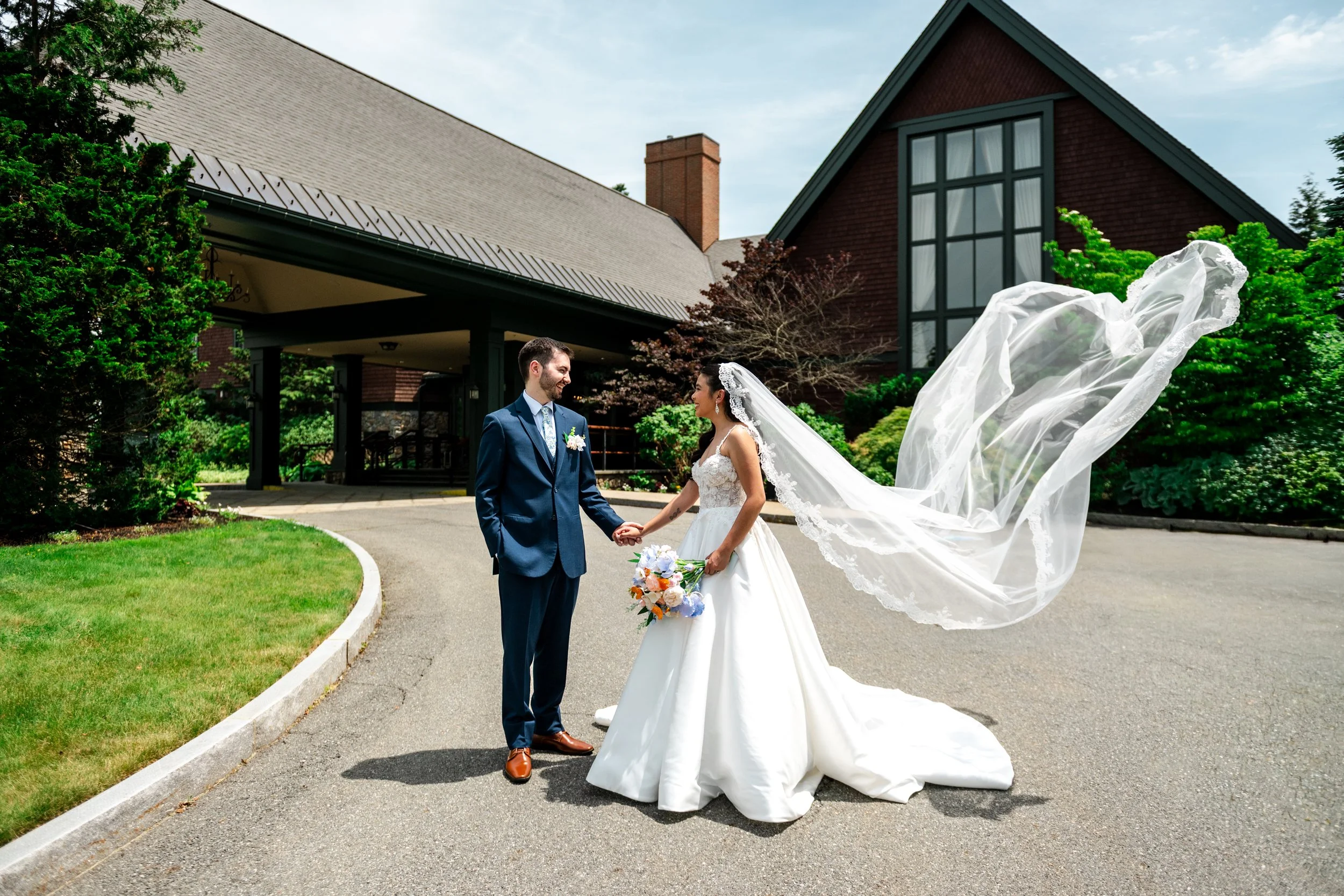
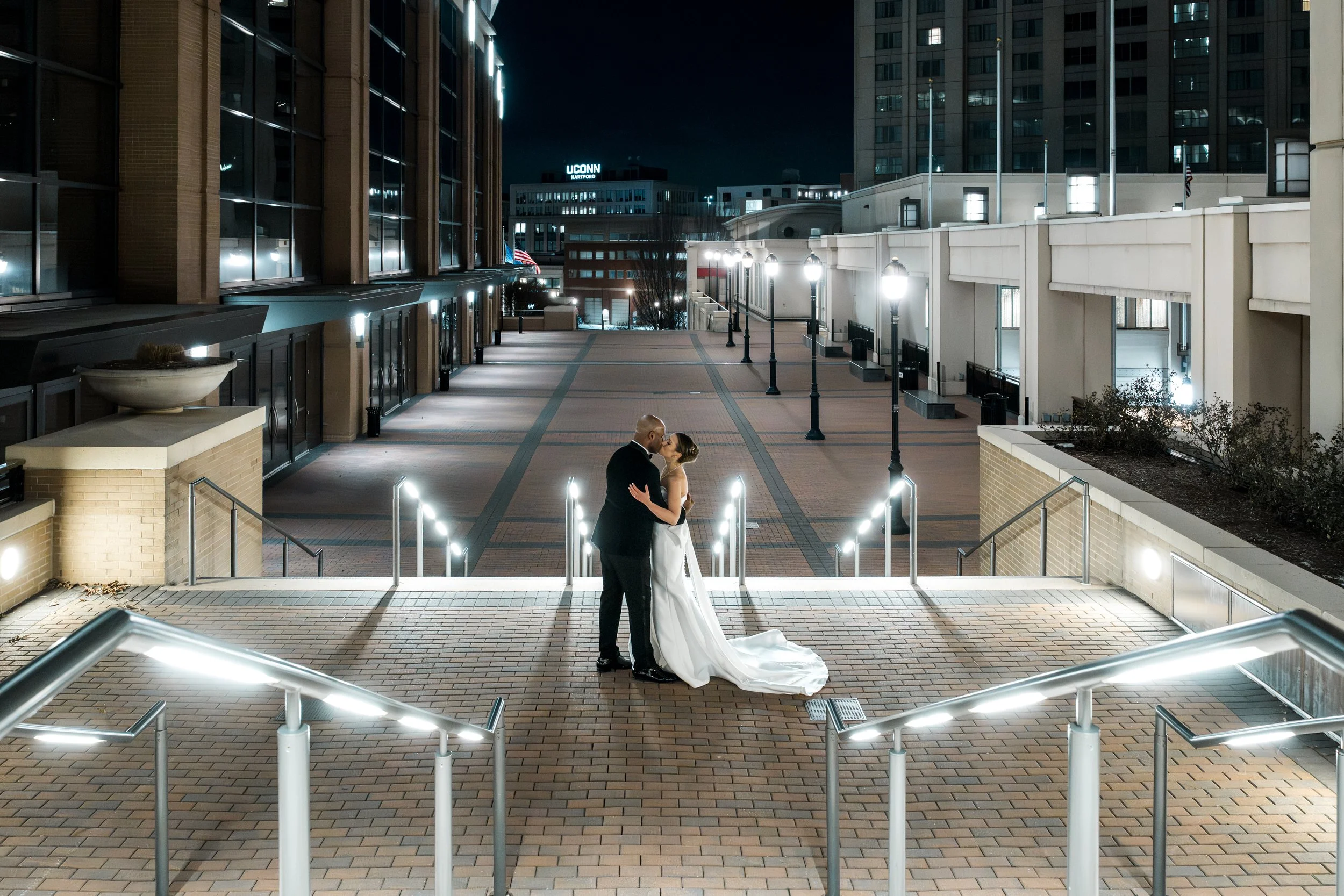


From quiet, emotional morning preparations in Easton to an unforgettable, high-energy reception at Mainline Catering and Events, Caitlin and Dale’s wedding day was filled with unscripted, genuine moments. Take a look inside their full wedding story.