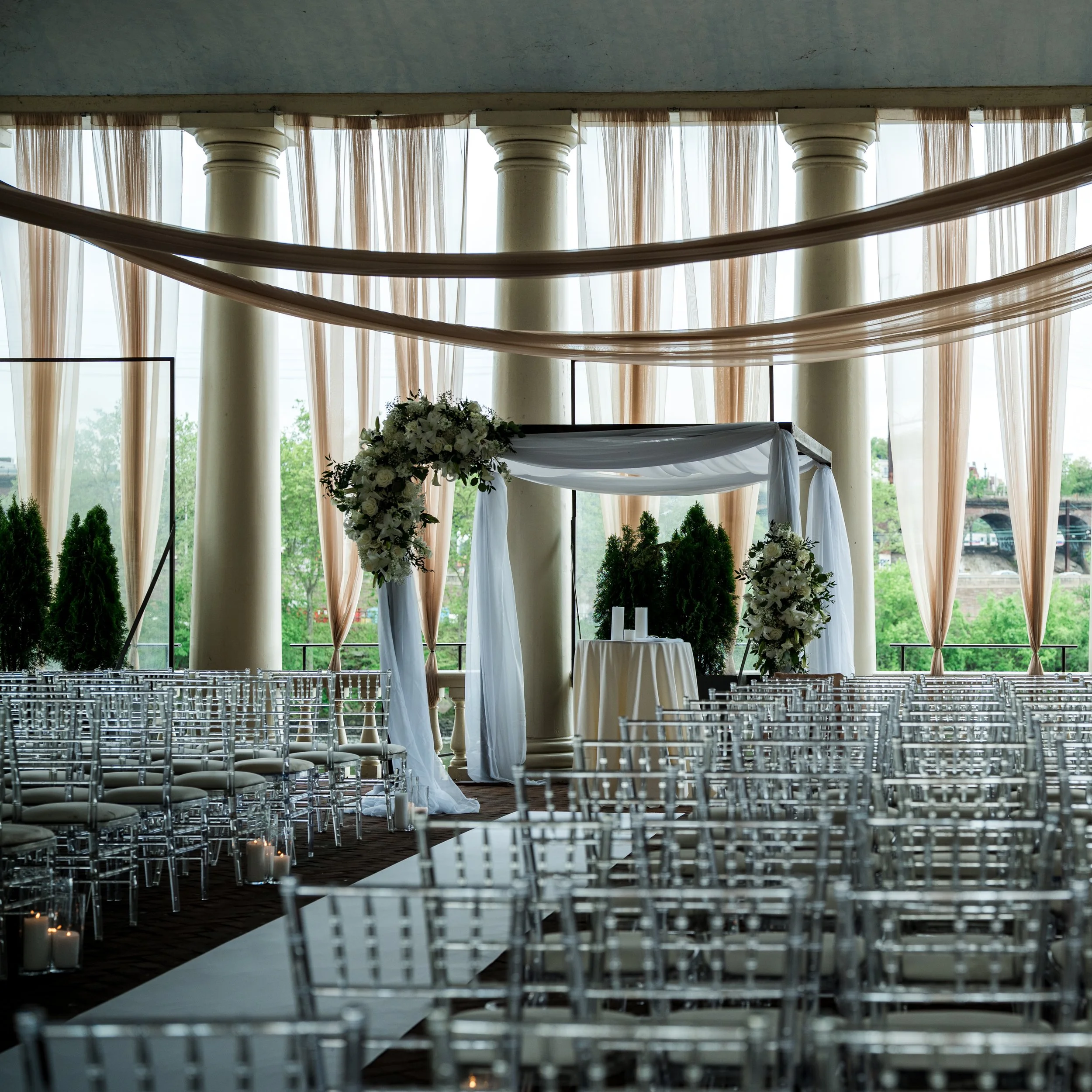
5 Tips for Planning an Unplugged Wedding Ceremony
An unplugged wedding ceremony keeps guests present and ensures your photographer and videographer can capture the moments without distraction. In this post, I’m sharing five practical tips to help you plan an unplugged ceremony that works—from setting expectations early to giving guests a brief “phone moment” before the vows begin.

Phones are everywhere.
They’re in our pockets, at our fingertips, and—if we’re not careful—right in the middle of a couple’s wedding aisle.
An unplugged ceremony changes that. It’s your choice to ask guests to put away phones and cameras so the moment can be experienced without distractions. It keeps everyone present and gives your photographer and videographer the space they need to do their jobs without dodging arms holding phones.
Here’s how to make it happen—and keep it that way.
1. Announce It Before the Wedding
Set expectations early. Include a short note on your invitations, wedding website, or in an email to guests. Something simple works best: “We’re having an unplugged ceremony. Please keep phones away until after we say ‘I do.’”
2. Have Your Officiant Remind Everyone
Even with notice, guests may forget. Ask your officiant to make a brief announcement before the ceremony begins. Hearing it right before the processional helps it stick.
3. Use Signage at the Entrance
Place a sign where guests enter the ceremony space. It’s a friendly, visual reminder without singling anyone out.
4. Give the Why
People respond better when they understand the reason. You don’t need a long explanation—just let them know you’ve hired professionals to capture the day, and you’d love for everyone to be fully present in the moment.
5. Build in a “Phone Moment”
A great way to keep phones tucked away later is to give guests a brief window for photos right after the processional, before your vows begin. Your officiant can say, “The couple invites you to take 30 seconds for a quick photo, then please put your phones away for the rest of the ceremony.” Guests get their keepsake shot, and you get a distraction-free ceremony.
An unplugged ceremony isn’t about taking something away—it’s about giving your guests the chance to be part of the moment while ensuring your photographer and videographer can capture it without obstruction.
If you’re ready to plan your unplugged ceremony and have it beautifully documented, fill out the contact form below so we can talk about your wedding day.

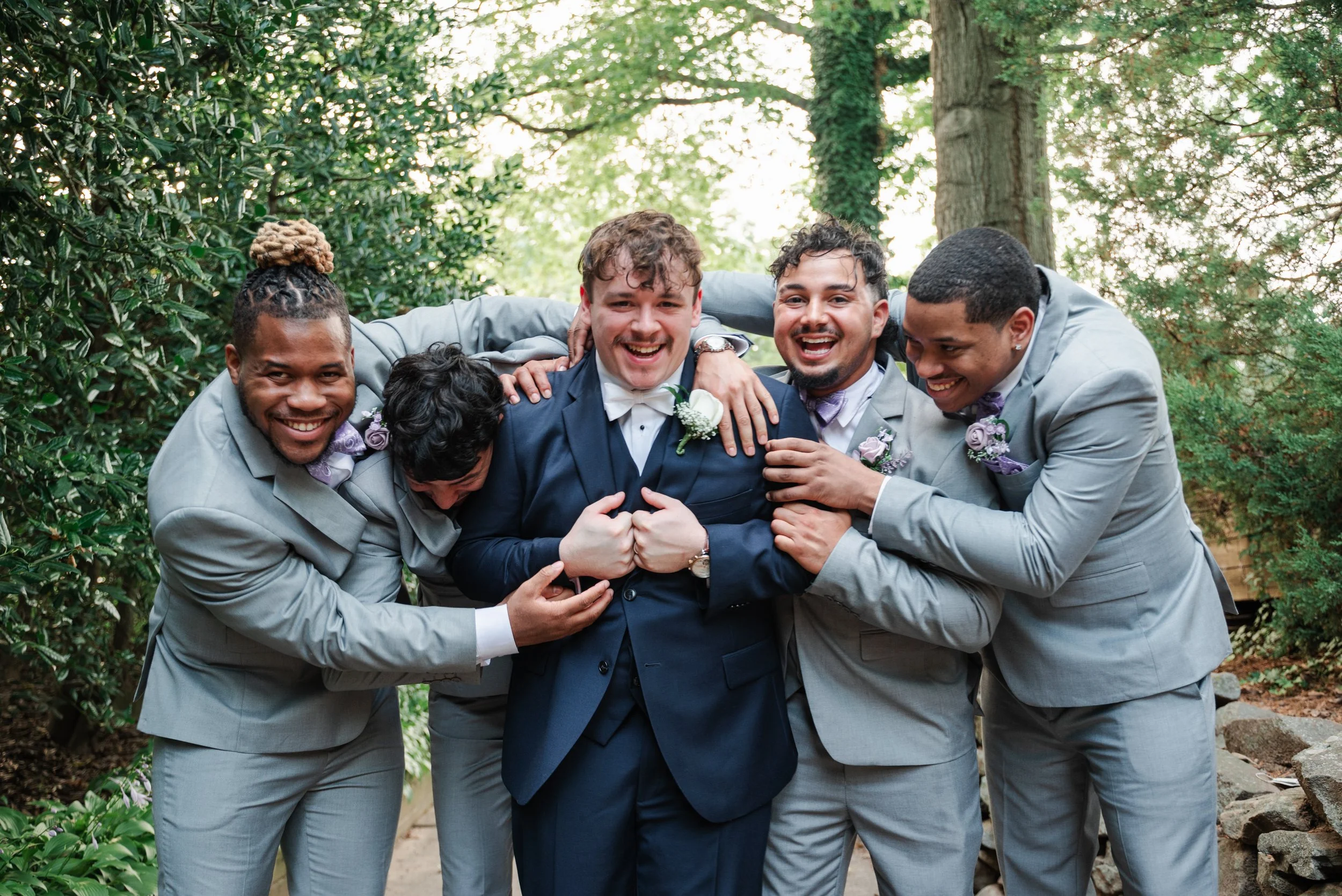
What It Really Means to Be a Groomsman (And How to Actually Be a Good One)
Being in the groom’s party means more than matching suits—it’s about showing up with intention, keeping the day grounded, and celebrating the groom in a way that truly matters. Here’s what that looks like, plus three real ways to be of service when it counts most.

Told them to go in for a group hug… they made sure he felt it. This is what brotherhood looks like.
What It Really Means to Be in the Groom’s Party (And How to Actually Be a Good Teammate)
There’s something unspoken about standing beside someone on their wedding day—someone you’ve shared history with, laughed with, leaned on, or maybe just truly respect.
Being in the groom’s party isn’t just about matching suits and showing up for the group photo. It’s about being part of a day that changes someone’s life—and showing up in a way that matters.
I’ve seen it all from behind the lens: nerves being calmed, speeches being practiced under breath, last-minute wardrobe fixes, and full-on bear hugs that say “You got this.”
And no matter who’s in the groom’s party—brothers, cousins, best friends, or close sisters and soul-friends—one thing holds true: the groom is leaning on you to be steady, lighthearted, and present.
It’s not about tradition. It’s about trust.
1. Be the Calm in the Chaos
Weddings bring pressure. The day can feel like it’s flying by, and things might not always go according to plan. Whether you're helping with a boutonniere, running interference with a vendor, or just grounding the energy in the room, your presence should bring peace—not panic. The best thing you can offer the groom? A calm “We’re good.”
2. Handle the Little Things Before They Become Big Things
From making sure he eats something before the ceremony to double-checking who’s holding the rings, there are a hundred little things that come up during a wedding day. The key is being one step ahead—quietly solving problems before they land on the groom’s radar. That kind of support? It goes further than you know.
3. Celebrate Without Stealing the Spotlight
You’re part of the celebration. You should laugh, dance, toast, and be in the moment. Just remember who the moment belongs to. This isn’t your audition for “friend of the year.” It’s about celebrating someone else’s leap into a new chapter. Be all in—but know when to pull back and let the spotlight land exactly where it should.
The people who stand out in the groom’s party aren’t necessarily the loudest or the most outgoing—they’re the ones who get it. Who show up with intention, who laugh when it’s time to laugh, and who step up without being asked.
Whether you’re a lifelong friend, a sibling, or someone they couldn’t imagine the day without—you’re not just standing by. You’re showing up for one of the biggest days of their life.
And if you’re looking to have those real moments captured—raw, joy-filled, and fully you—I’d love to be the one behind the camera.
Fill out the contact form below. I’d love to help tell that story.
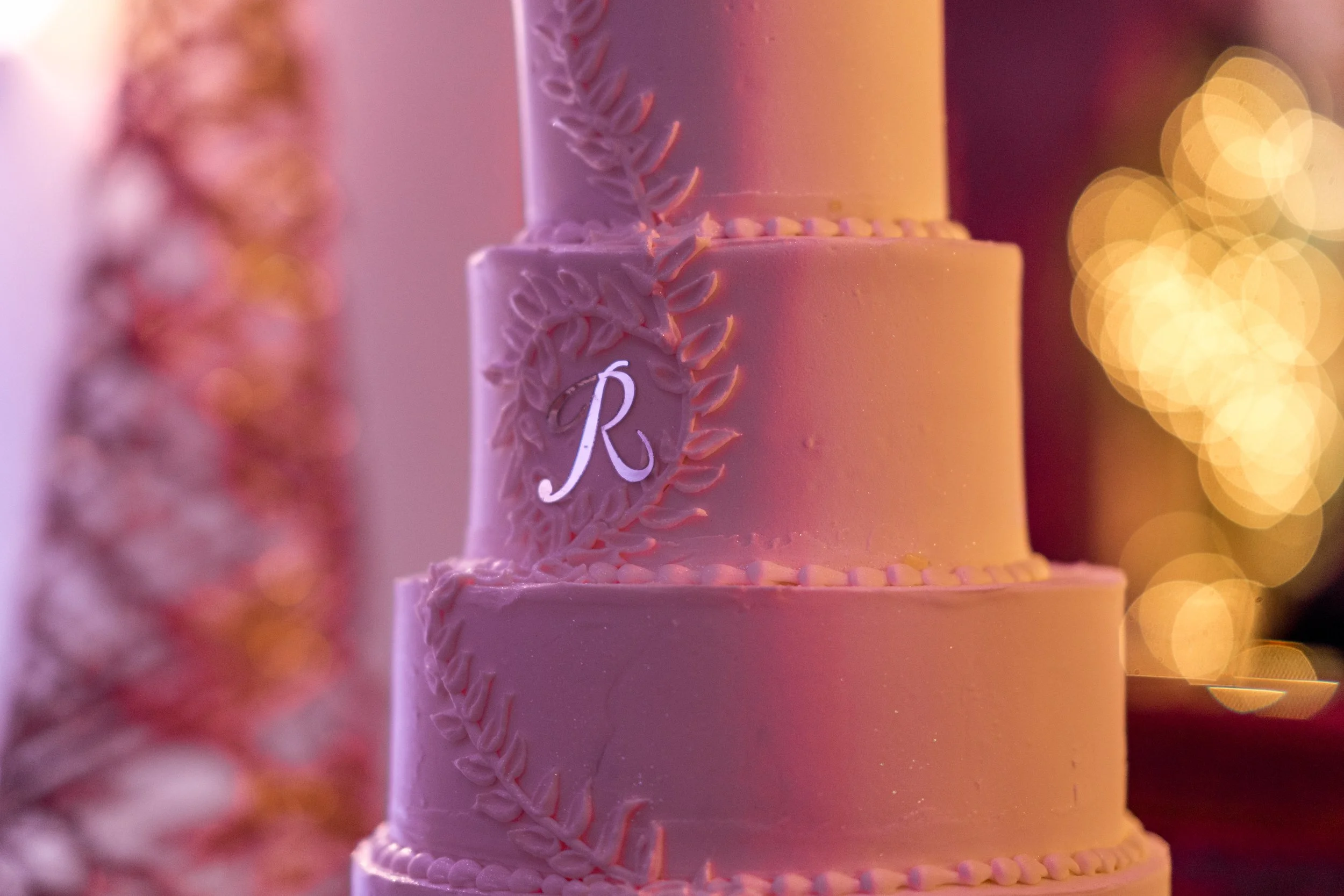
Wedding Cake or No Cake? How to Decide & Creative Alternatives
Debating whether to have a wedding cake or try something different? Some couples love the tradition, while others prefer creative dessert alternatives like cupcake towers or donut walls. This guide breaks down the pros and cons of having a wedding cake and offers unique ideas to make your dessert table unforgettable.

A beautifully designed wedding cake can be a statement piece at your reception—but is it the right choice for you? Whether you go traditional or explore creative dessert alternatives, your wedding should reflect what you love most.
When planning your wedding, the cake is one of those traditions that sparks debate. Some couples can’t imagine their big day without a classic tiered cake, while others see it as an unnecessary expense. And then there are those who love the idea of dessert but want something a little different.
If you’re wondering whether to go the traditional route, skip the cake entirely, or get creative with your dessert table, this guide will help you decide.
3 Reasons to Have a Wedding Cake
1. It’s a Classic Wedding Tradition
Cutting the cake is one of the most well-known wedding traditions. For many couples, it’s a symbolic moment that represents the first thing they do together as a married couple. If you love the idea of keeping classic elements in your wedding, a cake is a great choice.
2. It Makes for Beautiful Photos
A well-designed wedding cake isn’t just dessert—it’s a statement piece. Whether you go for a sleek, modern design or an elaborate, floral-covered masterpiece, it adds a stunning visual element to your reception and makes for great photos.
3. Guests Expect It
If you’re planning a more traditional wedding, some guests might look forward to the cake-cutting moment. It’s a sweet way to bring everyone together for a shared experience, and let’s be honest—who doesn’t love dessert?
3 Reasons to Skip the Cake
1. It Can Be Expensive
Wedding cakes aren’t cheap, especially if you’re going for a multi-tiered, custom design. If you’re looking for places to cut costs in your budget, skipping the cake could save you hundreds (or even thousands) of dollars.
2. Not Everyone Eats Cake
Believe it or not, not everyone likes cake. Some guests may skip it entirely, leaving you with leftover slices you paid for but didn’t need. If you know your crowd isn’t big on cake, it might not be worth the investment.
3. It’s Not the Only Dessert Option
A wedding cake isn’t your only choice for a sweet treat. If you and your partner love donuts, cookies, or ice cream, why not go with something that reflects your personalities instead?
Creative Wedding Cake Alternatives
If you love dessert but don’t want a traditional wedding cake, here are some fun alternatives to consider:
Cupcake Tower – Easy to serve, no cutting required, and guests can grab their favorite flavors.
Donut Wall – A visually fun and delicious option that guests will love.
Mini Dessert Bar – Offer a variety of sweets like macarons, brownies, and fruit tarts.
Cheese Wheel Cake – If you prefer savory over sweet, stack wheels of cheese for a unique “cake” alternative.
Ice Cream or Gelato Bar – Perfect for summer weddings and a crowd-pleaser for all ages.
Pies or Tarts – A cozy, rustic option that’s great for fall weddings.
How to Decide What’s Right for You
At the end of the day, your wedding dessert should reflect what you love. If you’ve always dreamed of cutting a classic tiered cake, go for it. If you’d rather serve something different, there are plenty of creative options that will make your reception feel unique to you.
No matter what you choose, make sure it fits your wedding vision, your budget, and—most importantly—your taste buds.
If you’re still piecing together your wedding plans and want to make sure every detail is beautifully captured, I’d love to help. Fill out the contact form below if you’re looking for photography or videography, and let’s chat about how I can document all the little moments that make your day unforgettable!
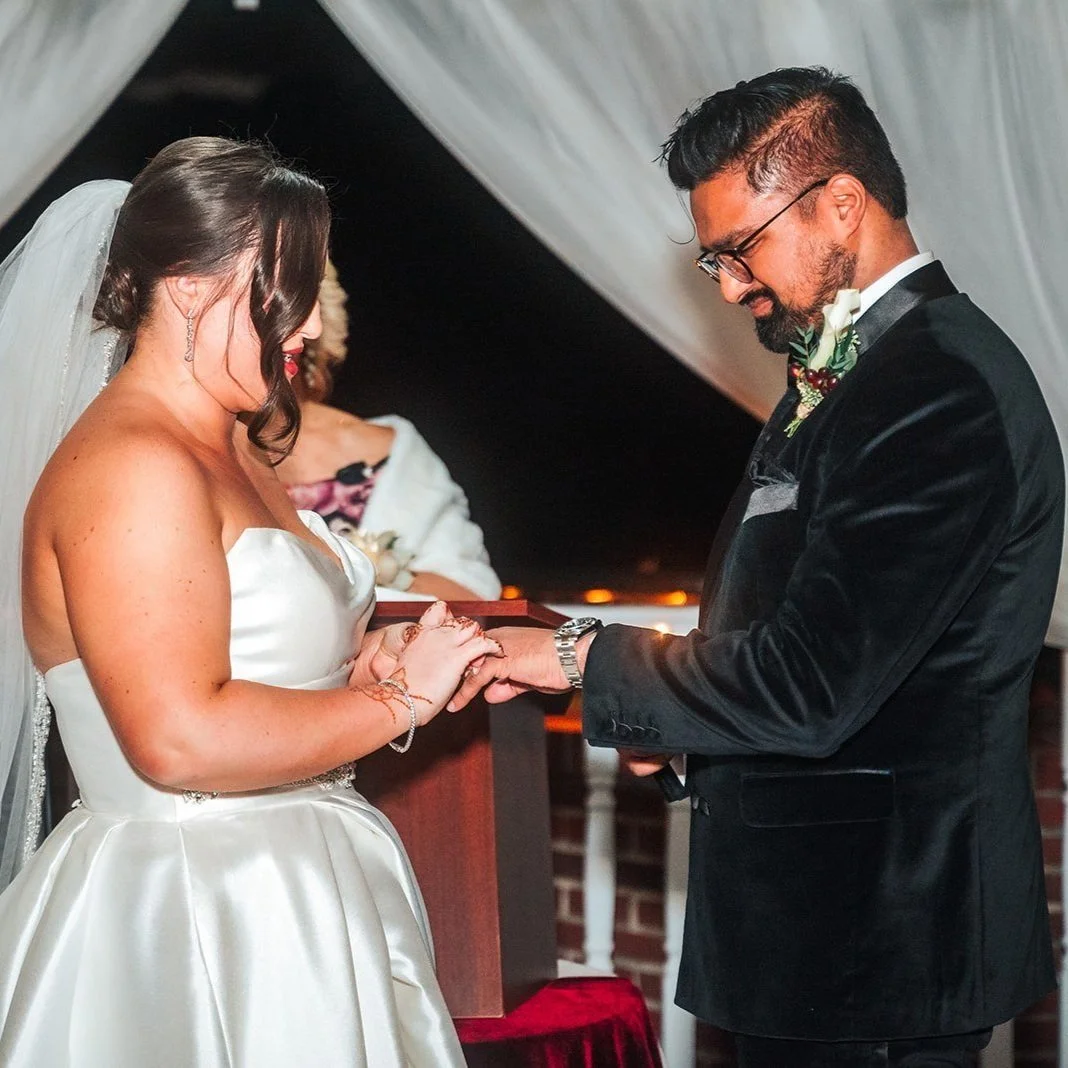
How I Photograph Wedding Ceremonies Entering and After Sunset
Planning a sunset ceremony? The light may disappear quickly, but your memories don’t have to. In this post, I break down how I photographed Kate and Jason’s twilight wedding at The Grandview using flash—without sacrificing emotion or clarity. Whether you're a couple getting married in the Northeast or a photographer learning to handle low light, you'll find something valuable here. Scroll through the post and fill out the contact form below if you'd like to talk about your own wedding day.

"Kate and Jason’s ceremony began at sunset and moved into full darkness—this moment was lit entirely with on-camera flash to preserve the mood, clarity, and detail as night fell.
Photographing weddings is all about embracing the unpredictable. Light changes. Timelines shift. And sometimes, the ceremony begins with a soft golden glow and ends in complete darkness. That was exactly the case for Kate and Jason’s wedding at The Grandview in Poughkeepsie, New York, in 2023.
Their ceremony started just as the sun dipped behind the Hudson Valley hills, leaving us with an ambient twilight that quickly disappeared. With no available daylight and no overhead cover, I had to rely on one of my most important tools: on-camera flash. It’s not the most glamorous technique, but when used thoughtfully, it gets the job done—and done well.
This post is for two groups of people: engaged couples planning weddings in New York, New Jersey, Pennsylvania, or Connecticut, and fellow photographers who want to learn how to handle ceremonies that transition into nightfall.
For Couples: 5 Things to Know About Sunset Ceremonies
1. The Light Changes Fast
Once the sun begins to set, things move quickly. If you’re planning an outdoor ceremony close to sunset, know that you might end up saying your vows in the dark. A seasoned photographer will anticipate this and come prepared.
2. Direct Flash Isn’t a Bad Thing
Some people hear "flash" and think of harsh lighting or overexposed faces. But in low-light conditions, direct flash can preserve clarity, detail, and emotion in a way that natural light simply can’t. It’s better to see your first kiss clearly than not at all.
3. Your Images May Have a Distinct Look
Photos taken with on-camera flash, especially outdoors at night, have a bold, high-contrast style. It’s different from soft natural light, but it can still be beautiful, timeless, and editorial in feel.
4. Noise-Free Photos Are a Priority
Without flash, I’d have to crank the ISO to uncomfortable levels, which introduces digital noise. That might make your images look grainy or overly soft after noise reduction. Flash helps avoid that.
5. Trust Your Photographer
If your photographer recommends adding lighting or adjusting the ceremony start time slightly, it’s because they’re thinking about the final result. The goal is to make sure your memories are preserved beautifully, no matter the lighting.
For Photographers: 5 Tips for Shooting Ceremonies After Sunset
1. Know Your Flash Inside Out
Whether you're using a speedlight or a full flash bracket, understanding how to balance flash with ambient light is key. I used direct flash for Kate and Jason's wedding because there were no bounce surfaces or tent covers. My current on-camera flash is the Godox V1 Pro, which I rely on heavily in these kinds of scenarios.
2. Meter for the Background First
Start by dialing in your exposure for the ambient light—usually the sky or surrounding lights. Then bring in your flash to lift the couple without blowing out details. This gives you a more natural, layered look.
3. Use Flash Modifiers If You Can
Even outdoors, a small modifier (like a bounce card or diffuser) can help shape your light. For this ceremony, I kept it minimal—just enough to control falloff without losing the moment to fiddling.
4. Keep ISO as Low as You Can While Still Creating a Beautiful Image
Your ISO setting should support your flash, not fight it. Let the flash do the heavy lifting. You want clean files with preserved detail—and sometimes that means pushing the ISO a bit, but only as much as the situation calls for.
5. Communicate With the Couple Ahead of Time
Set expectations. Let your couple know what kind of look flash creates and why it’s necessary. When couples understand the why, they’re more trusting of the how.
Kate and Jason's ceremony was a great reminder that the most important thing is capturing the moment, no matter the lighting. Even as the sky darkened, we were able to document every part of their ceremony clearly and honestly, without compromising on quality.
If you’re planning a wedding in the Northeast and wondering how sunset or evening ceremonies will affect your photos, I’m happy to guide you through it. And if you're a photographer looking to master low-light ceremonies, lean into the challenge. The right tools, mindset, and preparation make all the difference.
Looking for a photographer or videographer in New York, New Jersey, Pennsylvania, or Connecticut who knows how to handle light no matter what?
Fill out the contact form below to start a conversation about your wedding day.
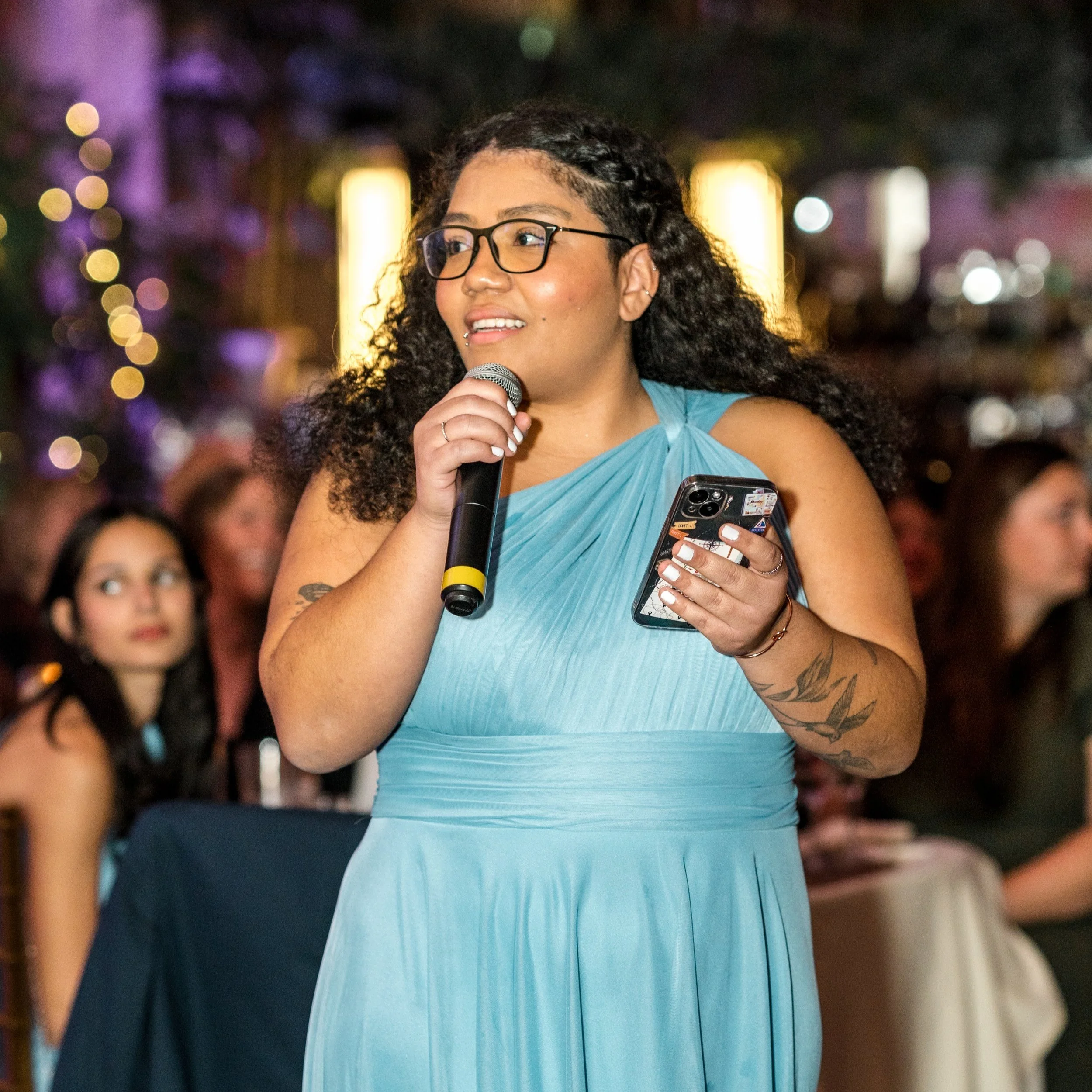
Should You Have Speeches at Your Wedding? Here’s What to Consider
Not sure if you should have speeches at your wedding? Some couples love heartfelt toasts, while others prefer to keep the night moving without interruptions. This guide breaks down the pros and cons of wedding speeches, plus expert tips to keep them short, meaningful, and well-timed for a smooth reception.
When planning your wedding, there are a lot of big decisions—venue, dress, guest count—but sometimes, it’s the smaller choices that catch couples off guard. One of those is whether or not to allow speeches during the reception.
Some couples love the idea of heartfelt toasts and shared stories. Others want to keep the night moving without any interruptions. If you’re torn, this guide will help you weigh the pros and cons. Plus, if you do decide to include speeches, I’ll share some tips to make sure they’re well-managed and don’t take away from the flow of the night.
3 Reasons to Include Speeches on Your Wedding Day
1. They Add Heart and Personality to the Night
A great speech brings emotion, humor, and a personal touch to your wedding. The best ones feel like mini love letters—not just to you, but to the story you share as a couple. These moments often become some of the most cherished parts of the night, and they’re always incredible to capture in both photo and video.
2. They Give Loved Ones a Chance to Participate
Your wedding is about more than just the two of you—it’s also about the people who have shaped your journey. Giving parents, siblings, or close friends a chance to speak can be a meaningful way to involve them in the celebration.
3. They Can Create Lasting Memories
Some of the best wedding moments happen during speeches. Maybe your best friend shares a hilarious inside joke, or your father-in-law says something that hits right in the heart. These are moments that stick with you—and that you’ll love looking back on later.
3 Reasons to Skip Speeches Altogether
1. They Can Disrupt the Flow of the Reception
A reception should feel seamless, and sometimes, speeches can break the momentum—especially if they go on too long or aren’t well-timed. If you want the night to feel more like a party, skipping speeches can help keep the energy up.
2. Not Everyone Is a Great Public Speaker
While some people give beautiful, thoughtful toasts, others… don’t. Whether it’s nerves, rambling, or an unplanned speech from an overenthusiastic guest, not every toast lands the way you hope. If you’re worried about this, you might prefer to skip them altogether.
3. You Want to Keep the Focus on the Celebration
Some couples feel that speeches make the night about the people talking rather than about the couple getting married. If you’d rather keep the attention on the experience—great food, dancing, and celebrating together—then skipping speeches might be the way to go.
Bonus: If You Decide to Allow Speeches, Here’s How to Keep Them Under Control
Limit the Number of Speakers
Stick to just 2-4 speakers. A couple of short, well-planned toasts are far more memorable than an endless lineup of people grabbing the mic. Typically, the best speakers are parents, the best man, and the maid of honor—but it’s your call!
Set Time Limits
Ask each speaker to keep it between 3-4 minutes. Anything longer can start to feel like a TED Talk rather than a toast. Let them know ahead of time so they can prepare something short, sweet, and meaningful.
Vet the List in Advance
Make sure you know who’s speaking. This isn’t an open mic night, and you don’t want any surprises—especially from guests who may have had a little too much to drink. Your DJ or MC can help ensure that only pre-approved speakers take the mic.
Schedule Them Between Key Moments—Not During Dinner
The best time for speeches is when guests are naturally attentive but not distracted. Avoid scheduling them during dinner—people will be focused on eating, there will be constant clinking of plates, and overall engagement will be lower. Instead, consider these timing options:
Right after entrances, before the first course is served – Everyone is seated, the excitement is high, and the focus is still on the newlyweds.
After dinner but before dancing begins – This gives guests a moment to settle before the party officially kicks off.
Keeping speeches out of dinner service ensures they get the attention they deserve without feeling like an interruption.
Final Thoughts
At the end of the day, whether or not to include speeches is entirely up to you. If you love the idea of hearing heartfelt words from your closest people, go for it. If you’d rather keep things moving and avoid the unpredictability, that’s completely valid too.
Either way, make sure the choice reflects what you and your partner truly want—not just what’s expected.
If you’re still piecing together your wedding timeline and want to make sure everything runs smoothly—including speeches—I’d love to help. Fill out the contact form below if you’re looking for photography or videography, and let’s talk about how we can capture your day in a way that feels right for you.
How to Decide Your Wedding Guest Count: Intimate Celebration or Big Bash?
Deciding on your wedding guest count is one of the biggest planning choices you’ll make. A smaller guest list can mean a more intimate experience, extra budget for details like photography and videography, and less stress. On the other hand, inviting everyone you love can create a high-energy celebration with unforgettable moments. Not sure which is right for you? This guide breaks down the pros and cons of both, helping you decide what fits your vision best.

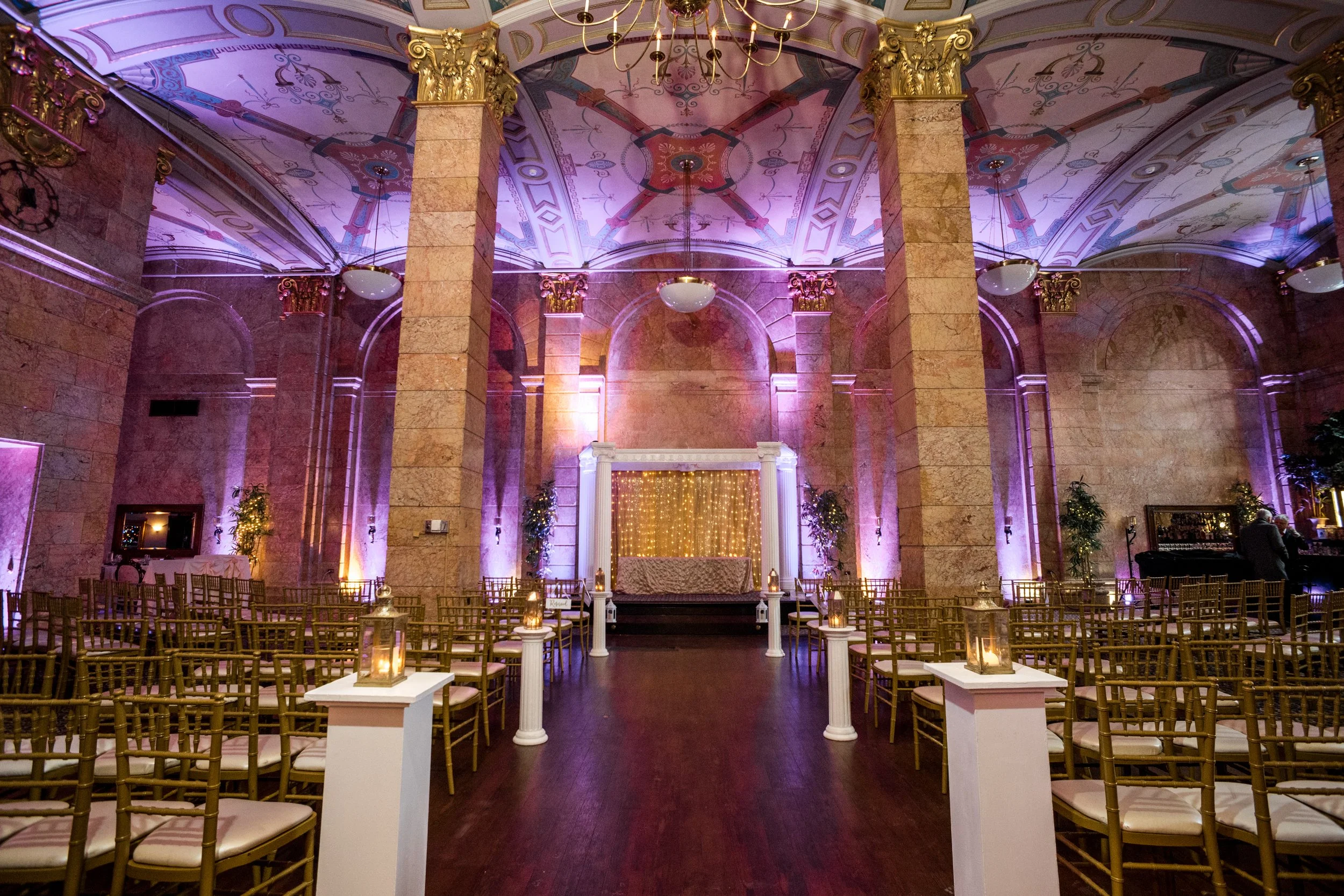
An intimate ceremony setup in a stunning historic venue. Keeping your guest list small allows you to focus on meaningful details, from elegant decor to a more personal experience with loved ones.
One of the biggest decisions you’ll make when planning your wedding is the guest count. Do you keep it intimate, saving money for details that matter most to you? Or do you invite everyone and celebrate with a packed dance floor?
There’s no right or wrong answer—it all depends on your vision. If you’re getting married in New York, New Jersey, Pennsylvania, Connecticut, or anywhere in the Northeast, your decision will likely be influenced by venue costs, vendor pricing, and overall wedding expenses in the area.
Let’s break down both sides to help you decide what’s best for your day.
5 Reasons to Keep Your Guest List Small
1. More Budget for What Matters Most
A smaller guest count means less money spent on food, drinks, and seating—giving you more to invest in things like photography, videography, and a dream venue. Instead of stretching your budget to accommodate a large crowd, you can put it toward capturing every detail beautifully.
2. Less Stress and Easier Logistics
Fewer guests mean fewer moving parts. With a smaller wedding, there’s less pressure to juggle seating charts, meal choices, and guest accommodations. It’s easier to plan and keeps your day feeling more intimate and relaxed.
3. More Meaningful Connections
When you limit your guest list, you get to spend real time with the people you invite. Instead of making quick rounds to greet hundreds of guests, you can enjoy deeper conversations and share more moments with those closest to you.
4. Better Venue Options
Many of the best venues in the Northeast have strict capacity limits. A smaller guest list means more options, from historic estates in New Jersey to scenic waterfront venues in Connecticut. You’re not limited to large ballrooms—boutique venues, private estates, and charming barns open up as possibilities.
5. A More Personalized Experience
Smaller weddings allow for more customization. With fewer people, you can go all out on personal touches—custom place settings, upgraded floral arrangements, or even a multi-course dining experience. Your wedding becomes less about numbers and more about the experience.
5 Reasons to Invite Everyone You Want
1. A Wedding Is About Community
For many couples, a wedding isn’t just about them—it’s about bringing families and friends together to celebrate. If having all of your loved ones in one place is important to you, then don’t feel pressured to cut the list.
2. More Energy, More Fun
A bigger guest list means a livelier reception. If you want a packed dance floor and a high-energy celebration, a larger wedding will deliver. There’s something special about looking out and seeing a sea of familiar faces cheering you on.
3. Less Guilt Over Cutting People Out
One of the hardest parts of planning a wedding is deciding who makes the list. Keeping it open means you don’t have to stress about who gets an invite and who doesn’t. No tough conversations, no awkward explanations.
4. You Only Get Married Once (Hopefully!)
If you’ve always imagined your wedding as a grand celebration, this is your moment to go all out. You won’t have another chance to bring this specific group of people together in the same way.
5. More Memories with More People
Every guest adds something unique to your wedding day. Whether it’s a childhood friend, a college roommate, or a distant cousin who surprises you with their dance moves, the more people you invite, the more stories and moments you’ll have to look back on.
How to Decide What’s Right for You
Think about what will make you happiest on your wedding day. If you’d rather have a highly curated experience with a focus on quality over quantity, a smaller guest list makes sense. If celebrating with as many people as possible is what matters most, then embrace the big wedding and adjust your budget accordingly.
No matter what you choose, make sure it reflects what you and your partner truly want—not just what’s expected.
If you’re still figuring things out and want to chat about photography and videography, feel free to reach out. You’ll find my contact form below—I’d love to hear what you’re planning and see if I can help!
Contact Me Today
5 Essential Questions to Ask Your Wedding Photographer or Videographer Before Booking
Choosing the right wedding photographer or videographer is about more than just loving their portfolio—it’s about finding someone who understands your vision and knows how to capture your emotions authentically. In this guide, I’ll walk you through five essential questions to ask before booking, ensuring your wedding day is documented in a way that feels true to you.

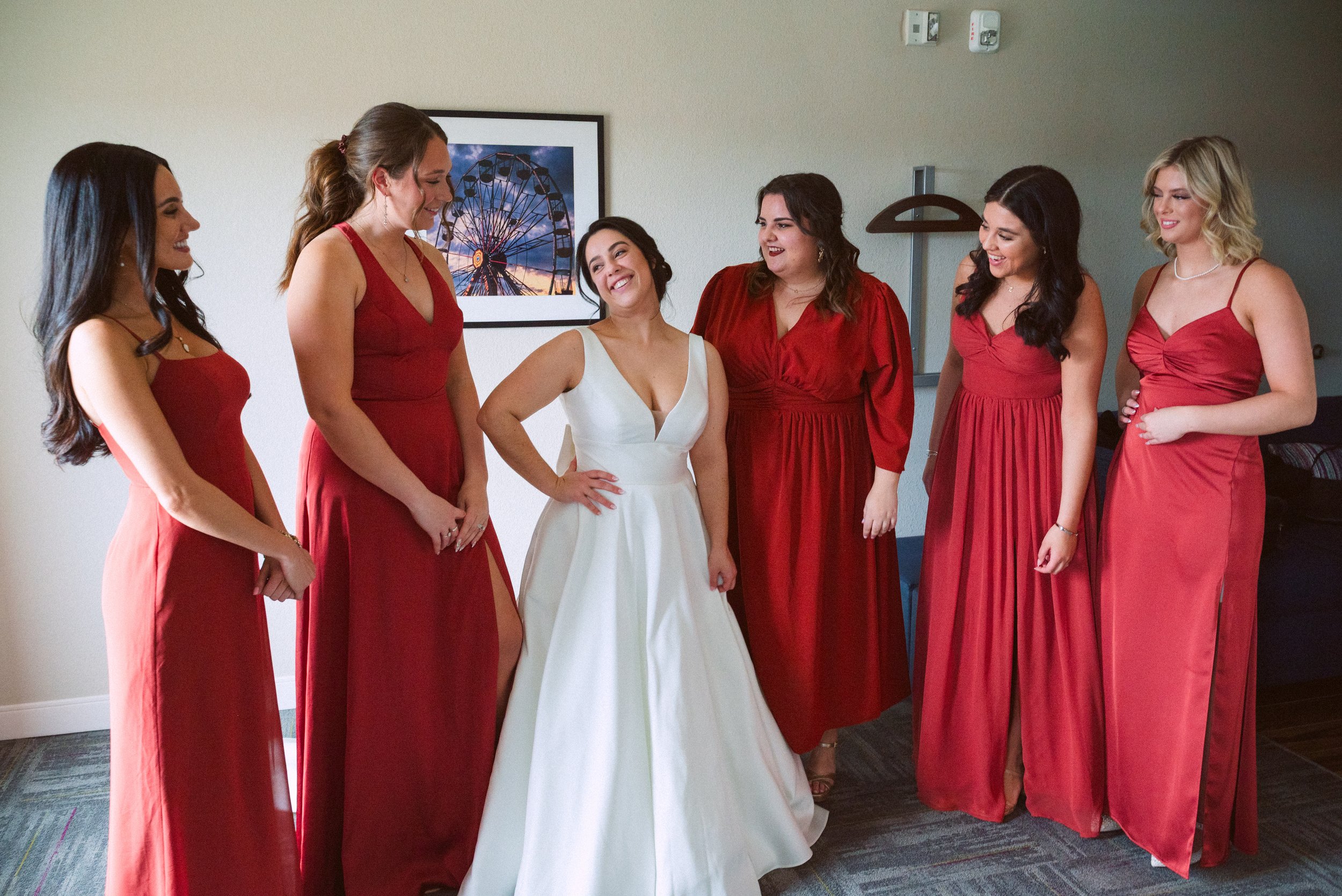
Your wedding photographer should know how to capture moments like this—where joy, love, and excitement unfold naturally. Asking the right questions ensures you find someone who helps you feel comfortable and confident, turning genuine emotions into timeless images.
When hiring a wedding photographer or videographer, it’s about more than just beautiful images—it’s about finding someone who understands you, your vision, and how to capture the emotions of your day authentically. Your wedding is filled with moments of joy, love, and connection, and the right professional will know how to bring those moments to life in a way that feels true to you.
I love when couples ask thoughtful questions because it helps ensure we’re the right fit. Here are five key questions to ask before booking your photographer or videographer.
1. How Do You Capture Natural, Emotional Moments?
Your wedding imagery should reflect your personalities and emotions, not just staged poses. Every photographer and videographer has their own approach, so ask how they help couples feel comfortable in front of the camera.
For me, it’s all about creating an environment where you feel at ease. I won’t force you into stiff, awkward poses. Instead, I focus on real interactions—gentle touches, stolen glances, inside jokes—so that your photos and films express genuine emotion. My goal is to make you feel open to being open, allowing the joy of your day to come through effortlessly.
You can read more about my approach and what to expect here on my FAQ page.
2. What’s Your Process on the Wedding Day?
Every wedding professional works differently, so it’s important to know what to expect. Some photographers and videographers are hands-off, while others take a more guided approach.
My process is about balance—I let your day unfold naturally while stepping in when needed to keep things flowing smoothly. During key moments like your first look or couple’s portraits, I’ll provide gentle direction to ensure you look and feel your best. But I also know when to fade into the background, capturing those in-between moments that tell the real story of your day.
To get a better idea of how I work, check out my full breakdown on my FAQ page.
3. Do You Have an FAQ Page?
This might not be the first question that comes to mind, but it can make your entire experience smoother. A well-organized FAQ page allows you to get answers to common questions quickly—like how many images you’ll receive, how long it takes to get your gallery, and whether your photographer is insured—so that when you have a conversation, you can focus on what really matters.
I keep my FAQ page up to date for exactly this reason. I want my couples to spend our time talking about their wedding vision, the moments that are most important to them, and how I can best serve them—not just going over basic details that can be easily found online.
4. What’s Included in Your Packages, and Can They Be Customized?
Not all wedding photography and videography packages are the same. Some professionals have set packages, while others (like me) offer flexible options to fit your needs.
I offer full-day photography and videography coverage, as well as options for elopements, micro weddings, and customizable add-ons like drone footage and extended highlight films. I also believe in full transparency—my pricing includes tax, and there are no hidden fees. What you see on my website is exactly what you’ll pay.
If you want to dive into the details, I break everything down on my FAQ page, including what’s included in each package and how you can tailor it to your needs.
5. How Do You Handle Unexpected Challenges on the Wedding Day?
Things don’t always go as planned—timelines shift, weather changes, and unexpected moments happen. You want a photographer or videographer who knows how to adapt and problem-solve without adding stress to your day.
I’ve worked in every scenario imaginable, from tight timelines to unexpected rain, and my approach is always to stay calm, flexible, and solution-oriented. Whether it’s adjusting the schedule on the fly, finding the best light in any situation, or keeping things lighthearted when nerves kick in, I’m there to make sure your day runs smoothly.
For more insight into how I handle different scenarios, take a look at my FAQ page.
Final Thoughts
Choosing your wedding photographer or videographer is about more than just loving their portfolio—it’s about finding someone who understands you, your vision, and how to capture your day in a way that feels real and meaningful.
If you’re planning a wedding in New Jersey, New York, or anywhere in the Northeast, I’d love to chat about how I can bring your vision to life. Before we talk, feel free to check out my FAQ page for answers to the most common questions couples ask. And if you have any other questions, reach out—I’m happy to help.
Contact Me Today
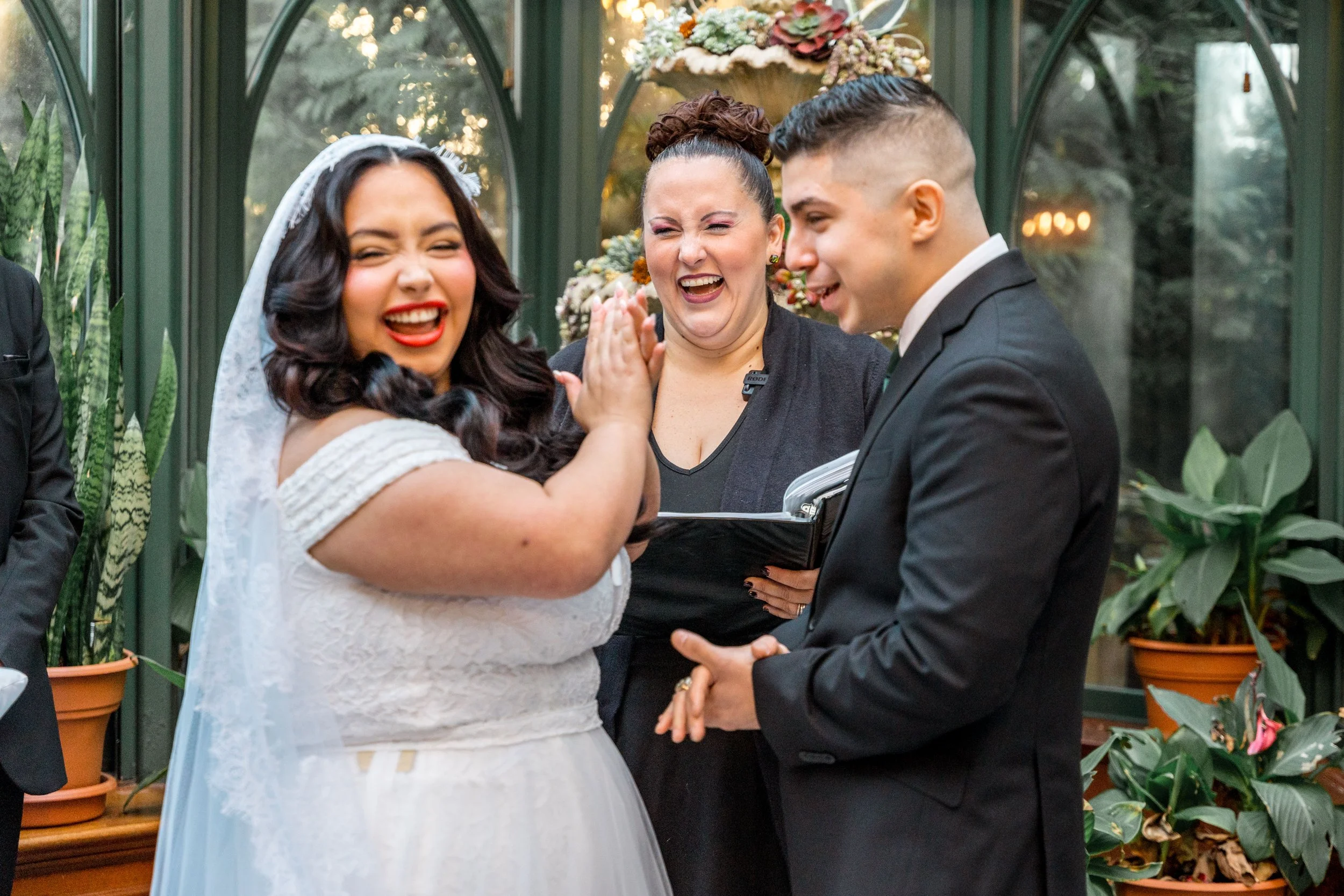
Why Waiting Until the Ceremony to See Each Other Can Be the Most Emotional Moment of Your Wedding Day
Thinking about skipping a first look and waiting until the ceremony to see each other for the first time? That moment is pure magic. The anticipation, the emotion, and the reaction in front of your loved ones create an unforgettable experience. In this post, I’ll share why waiting until the ceremony can be one of the most powerful choices you make for your wedding day—and how to make it work seamlessly in your timeline.

A groom stands at the altar, his eyes welling with emotion as he catches the first glimpse of his bride. His expression is a mix of anticipation, love, and overwhelming joy. The warm glow of chandeliers in the background adds to the intimate ambiance, while the greenery surrounding him frames the moment beautifully.
When planning a wedding, one of the big decisions couples face is whether to do a first look or wait until the ceremony to see each other for the first time. There’s no right or wrong choice—it’s all about what feels best for you as a couple. But if you're leaning toward waiting until the ceremony, I want to reassure you: that moment is going to be powerful.
As a wedding photographer, I’ve captured both first looks and traditional ceremony reveals, and there’s something uniquely emotional about that walk down the aisle—the kind of moment that just hits differently.
The Power of Seeing Each Other for the First Time at the Ceremony

The ceremony is the heart of your wedding day. It’s when you officially commit to forever, surrounded by your closest friends and family. Seeing each other for the first time in that setting elevates the emotion in a way that’s hard to replicate in a private first look.
The Emotion Feels More Intense
I’ve photographed so many weddings, and I can tell you—the emotions tend to be stronger when couples see each other for the first time at the ceremony. It’s the weight of the moment, the anticipation, the build-up of the entire day leading to this one moment. I’ve seen grooms try to hold it together, only to completely break the second they lock eyes with their bride. I’ve seen brides light up with pure joy as they take those steps toward their partner. It’s a moment of pure, unscripted emotion.Your Loved Ones Share in the Experience
When you wait until the ceremony, your family and friends become part of the moment. They get to witness your reaction in real time, and that makes the energy in the room unmatched. You’ll hear gasps, sniffles, and see smiles through teary eyes. There’s something beautiful about having your entire community witness the start of this new chapter in your lives.It Feels More Like a Cinematic Love Story
There’s a reason so many classic love stories save the big reveal for the most pivotal moment—it’s dramatic, heartfelt, and unforgettable. Seeing each other at the ceremony turns your wedding day into a scene straight out of a movie, with all the raw, unfiltered emotions that make love stories so powerful.
Making the Timeline Work Without a First Look

One concern couples often have about skipping a first look is timing. Without those pre-ceremony portraits, how do you fit in all the must-have shots without feeling rushed?
Here’s how I make it work:
Hire Two Photographers: With two photographers, one can focus on family formals and couple portraits right after the ceremony while the other captures cocktail hour details and candid guest moments. This keeps everything moving smoothly without taking time away from the reception.
Plan a Longer Cocktail Hour: If photography is a priority, a 90-minute cocktail hour (instead of the standard 60 minutes) gives plenty of time for portraits without feeling rushed.
Use the Setting to Your Advantage: If your venue has scenic areas nearby, we can take portraits without needing to go far, maximizing time.
Capturing the Raw Emotion of the Ceremony

For me as a photographer, there’s nothing better than delivering images that bring back the feeling of a moment. Seeing your partner tear up as you walk toward them, the way you instinctively reach for each other’s hands, the quiet “you look amazing” exchanged before the vows—it’s those moments that make the ceremony-first reveal so powerful.
That’s not to say first looks can’t be emotional—they absolutely can be. But there’s something about standing in front of everyone who loves you, taking in the weight of what’s about to happen, that just amplifies the feelings.
Final Thoughts
If you’ve been second-guessing your decision to wait until the ceremony to see each other—don’t. That moment is going to be one of the most unforgettable parts of your wedding day.
And if you’re looking for a photographer who understands how to capture those raw, emotional moments, who will make sure your timeline works seamlessly without a first look, let’s talk. I’d love to help you document the most important, emotional, and love-filled moments of your day.

If you’re planning a wedding in New Jersey, New York, or beyond, reach out using the contact form below to learn more about my approach to wedding photography.
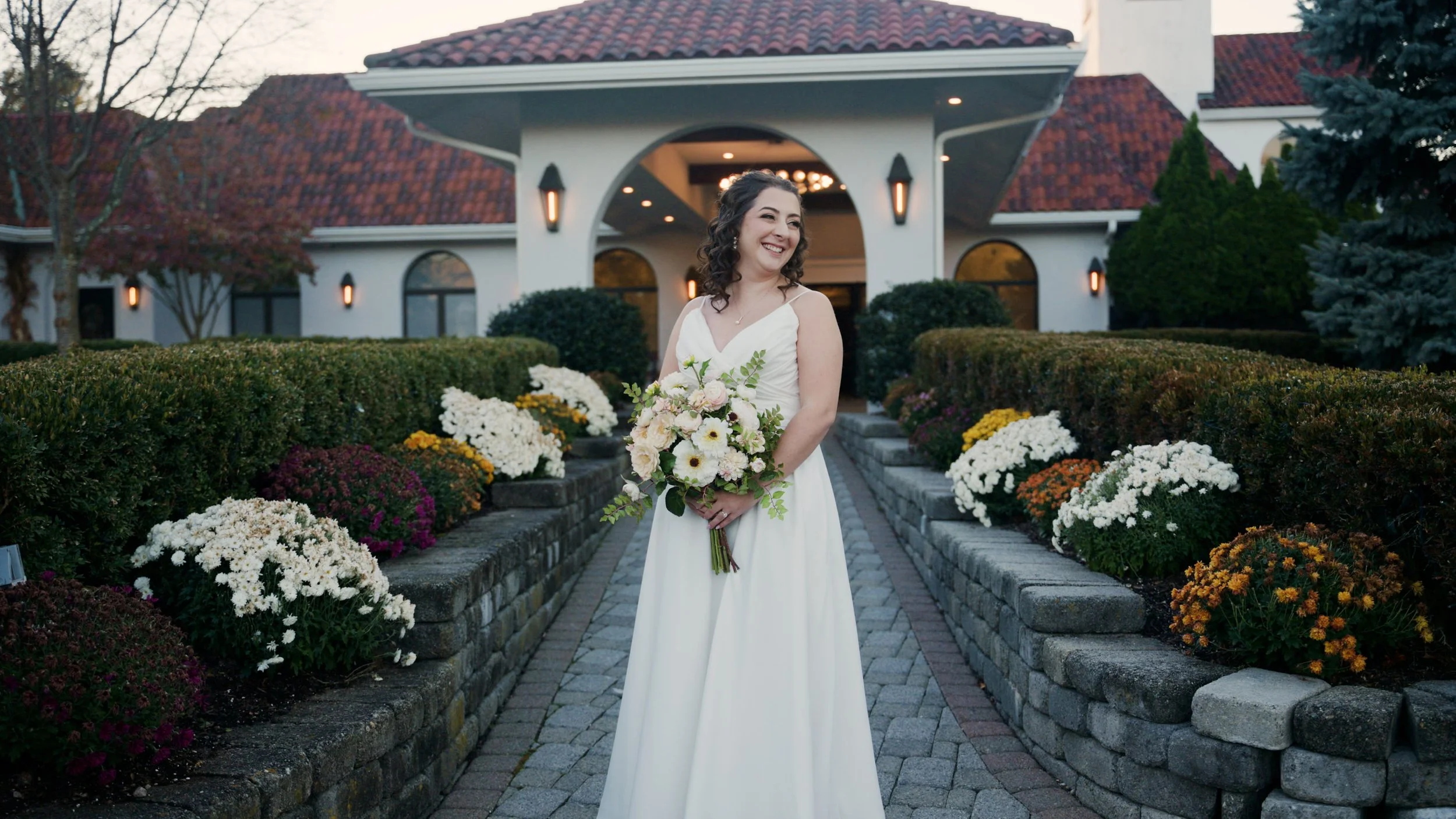
Ariel & Jason’s Romantic Jewish Wedding at Perona Farms
Ariel & Jason’s Jewish wedding at Perona Farms was a stunning blend of love, tradition, and celebration. From their heartfelt Ketubah signing to their emotional vows under the Chuppah, every moment reflected the depth of their connection. Their reception was just as vibrant, featuring a lively Hora dance, touching speeches, and unforgettable memories with family and friends. Watch their wedding highlight film and discover three essential tips for creating a wedding film that truly tells your love story.
Perona Farms provided the perfect setting for Ariel & Jason’s Jewish wedding, a day filled with love, meaningful traditions, and heartfelt moments. From the Ketubah signing to their emotional vows under the Chuppah, every part of their wedding reflected their deep connection and shared values.
Their reception was just as vibrant, featuring a lively Hora dance, touching speeches from loved ones, and unforgettable moments with family and friends.
If you’re planning a Perona Farms wedding, this film offers a glimpse into the magic of this venue and how it brings a couple’s vision to life.
Watch their highlight film below:
3 Tips for a Stunning Wedding Film
1. Choose a Venue with Natural Beauty
A venue like Perona Farms offers diverse backdrops, from rustic barns to elegant gardens. When selecting a wedding venue, consider locations that provide both indoor and outdoor settings to add variety to your film.
2. Schedule Moments of Stillness
A wedding day moves fast, but taking intentional moments to pause together can lead to some of the most meaningful footage. Whether it’s a quiet stroll or a moment of reflection, these scenes add depth to your film.
3. Work with a Videographer Who Understands Your Vision
Your wedding film should feel like you. A great videographer doesn’t just record events—they document the emotions and story of the day in a way that feels authentic.
Let’s Talk About Your Wedding Film
If you’re getting married at Perona Farms or another stunning venue, let’s document your wedding day in a way that feels natural and meaningful.
Fill out the contact form below to get started.
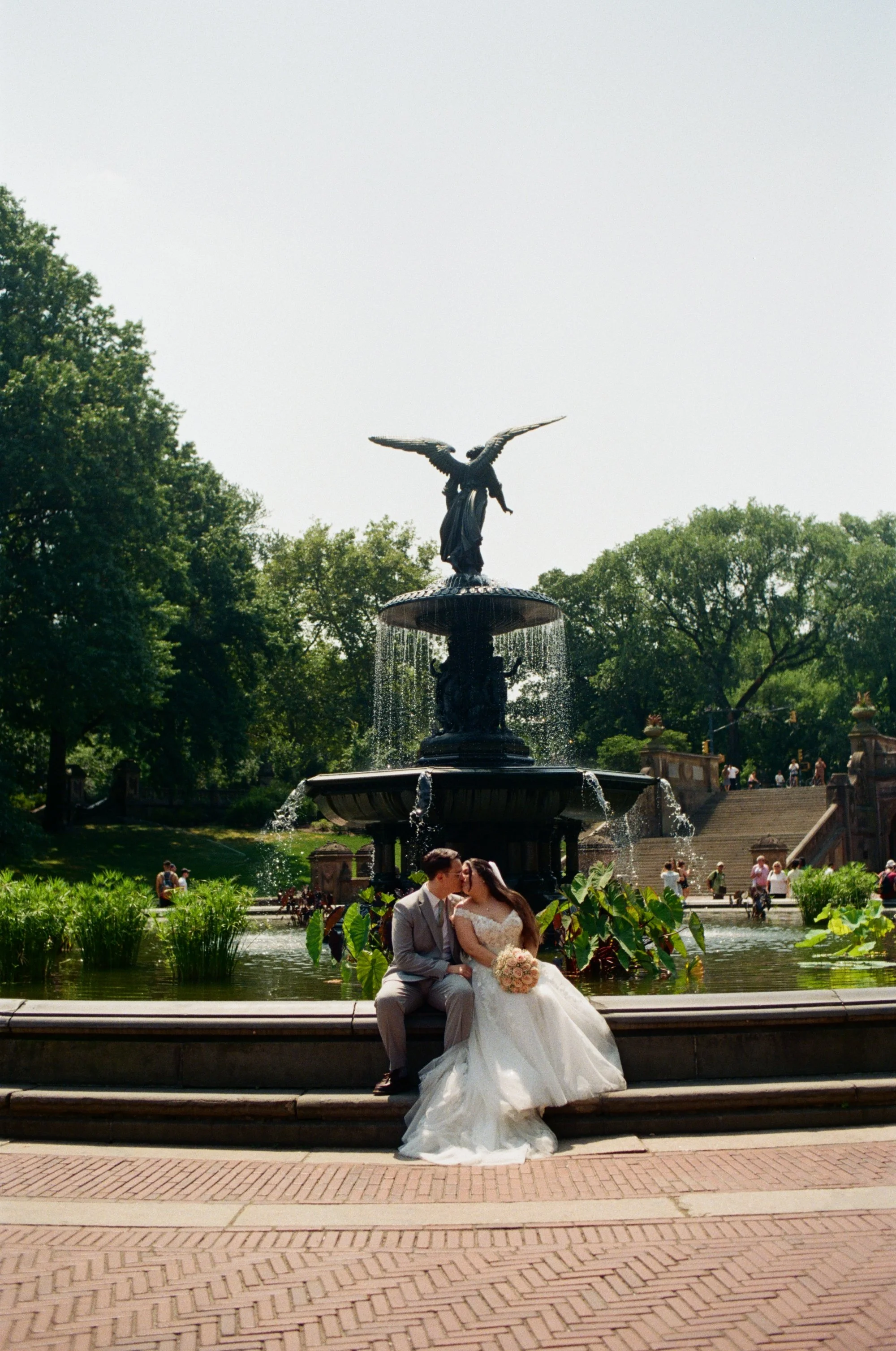
Tips for Planning a Central Park Wedding Ceremony and Photoshoot
Planning a wedding in Central Park is a dream for many couples, with its iconic scenery and natural beauty providing the perfect backdrop for your big day. From securing the ideal location to timing your ceremony for the best lighting, this guide covers everything you need to know to make your Central Park wedding ceremony and photoshoot seamless and unforgettable.
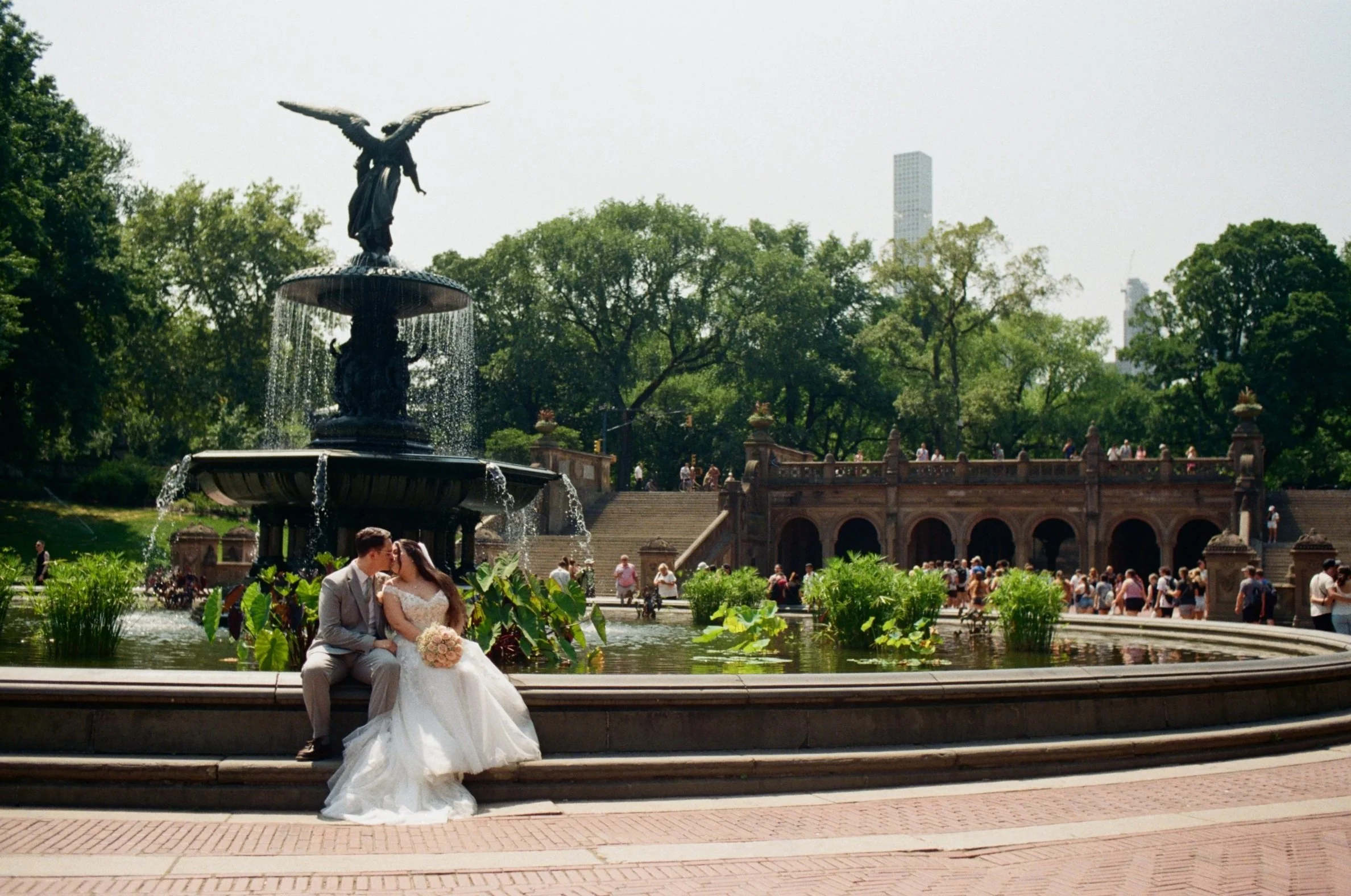
Central Park’s timeless beauty makes it a dream destination for many couples planning their wedding. With iconic locations like Bethesda Fountain and the Bow Bridge, it’s easy to see why this park remains one of the most sought-after spots for ceremonies and photoshoots. If you’re considering saying your “I do’s” in the heart of New York City, here are three essential tips to help you plan the perfect Central Park wedding and photoshoot.
1. Plan Ahead for Permits and Timing
One of the most critical steps in planning a Central Park wedding is securing the necessary permits. For weddings with fewer than 20 guests, permits are generally optional but recommended to reserve your chosen location. Larger gatherings will require a permit, which can be obtained through the NYC Parks Department. Popular spots like Bethesda Terrace and the Conservatory Garden can book up quickly, so plan to apply at least a few months in advance.
Timing is everything when it comes to capturing the beauty of Central Park. Mornings and weekdays are ideal for avoiding crowds, giving you a more serene backdrop for your ceremony and photos. The golden light just after sunrise or late afternoon offers stunning opportunities for natural, glowing portraits.
For more insights on planning around timing and permits, check out my blog post on 3 Planning Tips for a Fall Wedding.
2. Choose the Perfect Spot for Your Ceremony
Central Park boasts numerous picturesque locations, each offering its own unique charm. Whether you’re drawn to the romantic feel of the Bow Bridge, the grandeur of Bethesda Terrace, or the quiet intimacy of Shakespeare Garden, there’s a spot that’s perfect for your vision.
Consider the logistics of your location. Some areas, like the Bethesda Fountain, have ample space for larger gatherings, while others, such as Wagner Cove, are better suited for intimate ceremonies. Think about accessibility for guests, nearby amenities, and how the setting aligns with your desired aesthetic.
For couples seeking inspiration on incorporating iconic venues into their wedding day, I recently explored similar themes in this blog post.
3. Work with Vendors Familiar with the Park
Choosing vendors who are experienced with Central Park weddings can make a world of difference. Photographers and planners who know the park well can guide you to hidden gems and help navigate challenges like changing light conditions or unpredictable weather.
When it comes to photography, working with someone who understands the park’s layout ensures that no iconic moment is missed. As a photographer who’s captured countless weddings in Central Park, I always scout locations in advance and tailor my approach to each couple’s vision. Collaborating with an experienced team allows you to focus on enjoying your day while we handle the logistics.
For more on how to choose the right vendors for your Central Park wedding, take a look at this guide.
Planning a Central Park wedding can be an unforgettable experience, blending urban charm with natural beauty. By securing the right permits, choosing a stunning location, and working with experienced vendors, you’re setting yourself up for a truly magical day.
Are you ready to start planning your Central Park wedding? Let’s connect and discuss how I can help capture your story in one of the most iconic locations in the world.
Search Posts
Post Archive
- Wedding Photography
- wedding planning
- photography
- podcast
- Wedding Videography
- Engagement Photography
- Engagement Session
- education
- Engagement Sessions
- wedding photography
- Weddings
- family photography
- Film Photography
- Wedding Planning Tips
- Portrait Photography
- Wedding Film
- Adventure
- Advice
- Bridal Style & Fashion
- Event Photography
- Help
- Suggestions
- Tips
- Wedding Inspiration
- birthday
- Bachelorette Party
- Backyard Celebrations\
- Birthday Photoshoot
- Boudoir Photography
- Bridal Boudoir Photos
- Bridal Party Inspiration
- Charity
- Donation
- Exploring
- Family Photos
- Groom & Groomsmen Inspira
- Jewish Wedding
- Jewish Wedding Traditions
- Korean Wedding
- Location
- NYC
- New Jersey Winter Wedding
- Personal
- Photography Adventures
- Real Weddings
- Travel Photography
- Unique Details
- Update
- Wedding Bouquets
- announcement
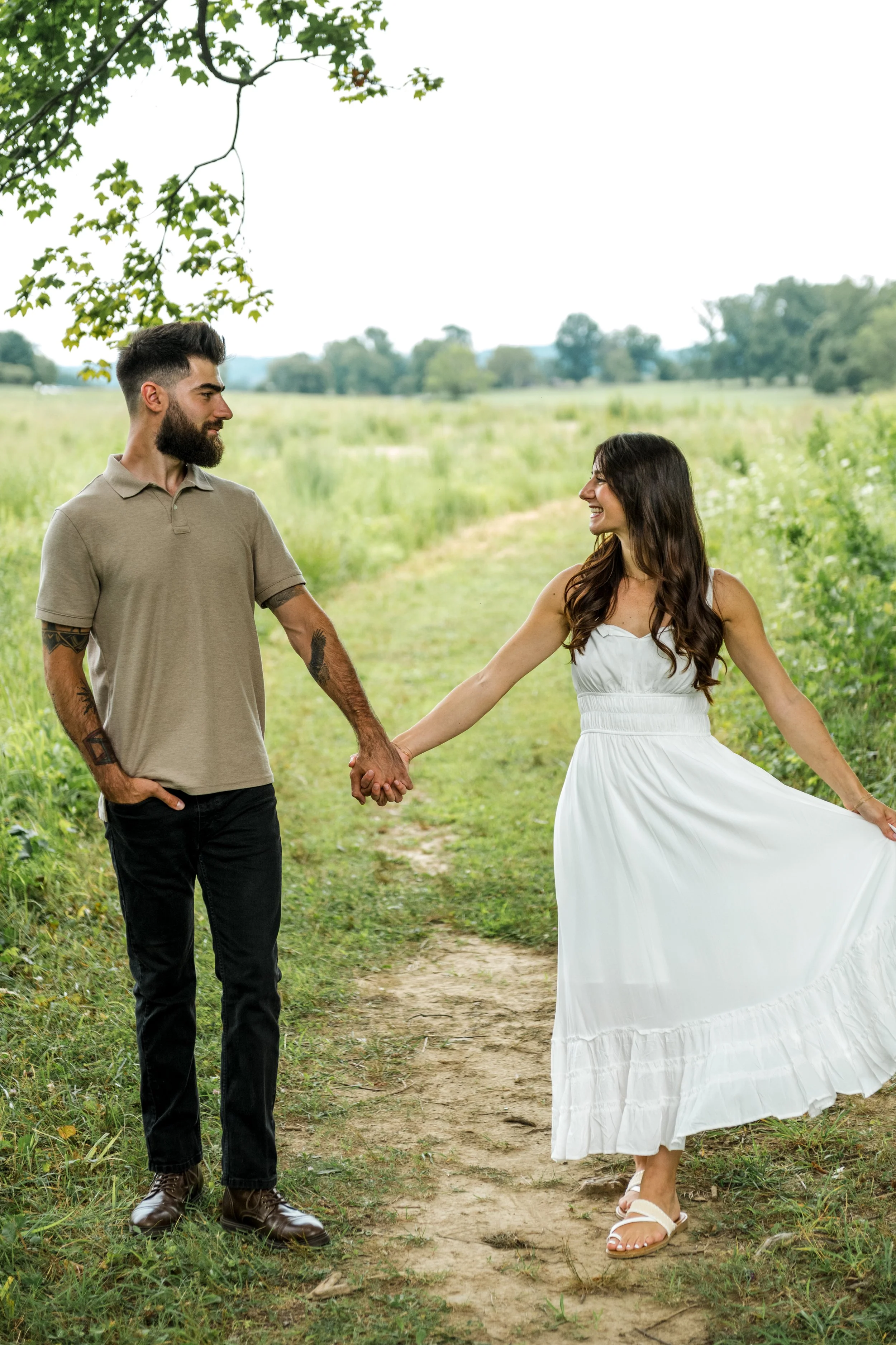
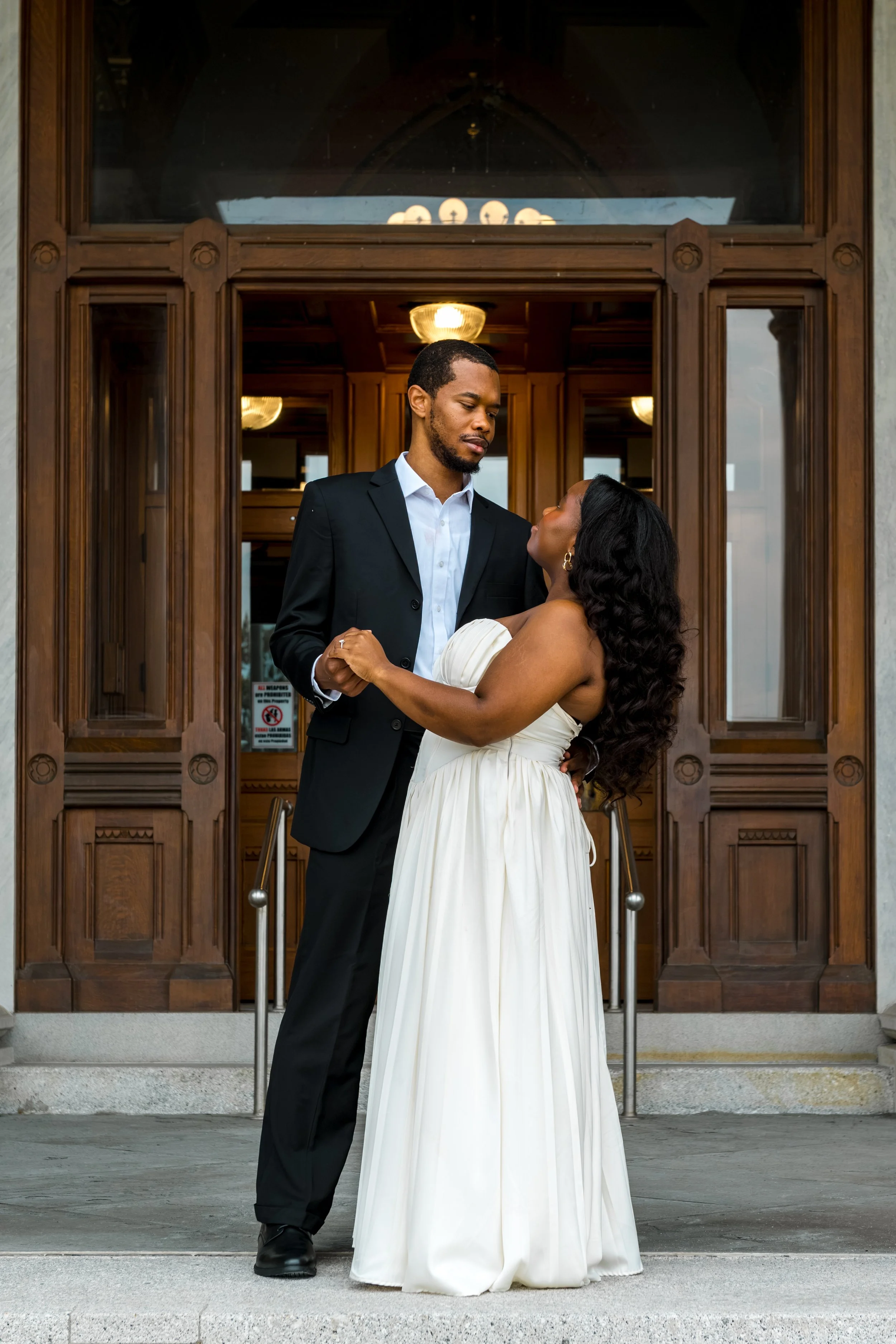
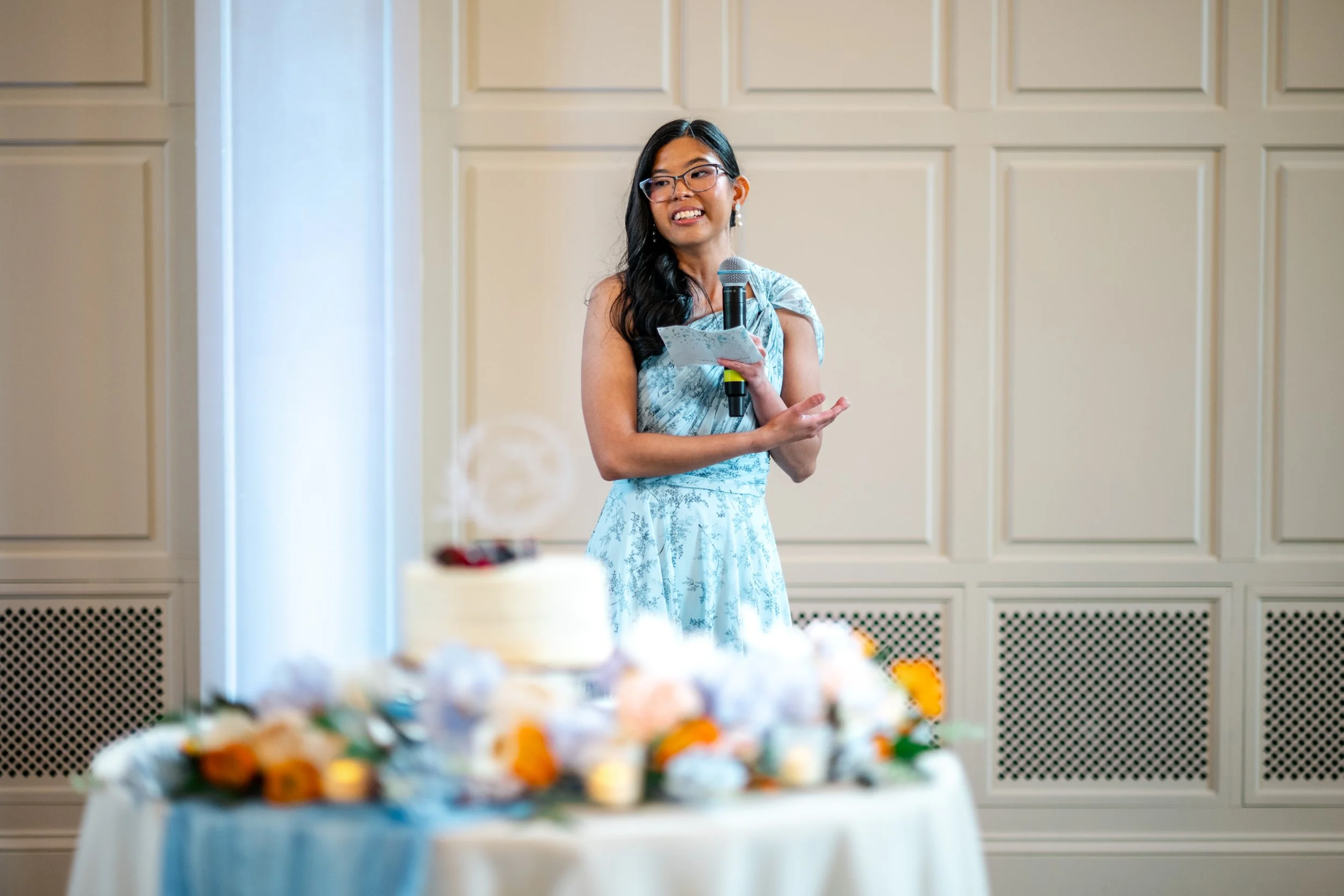
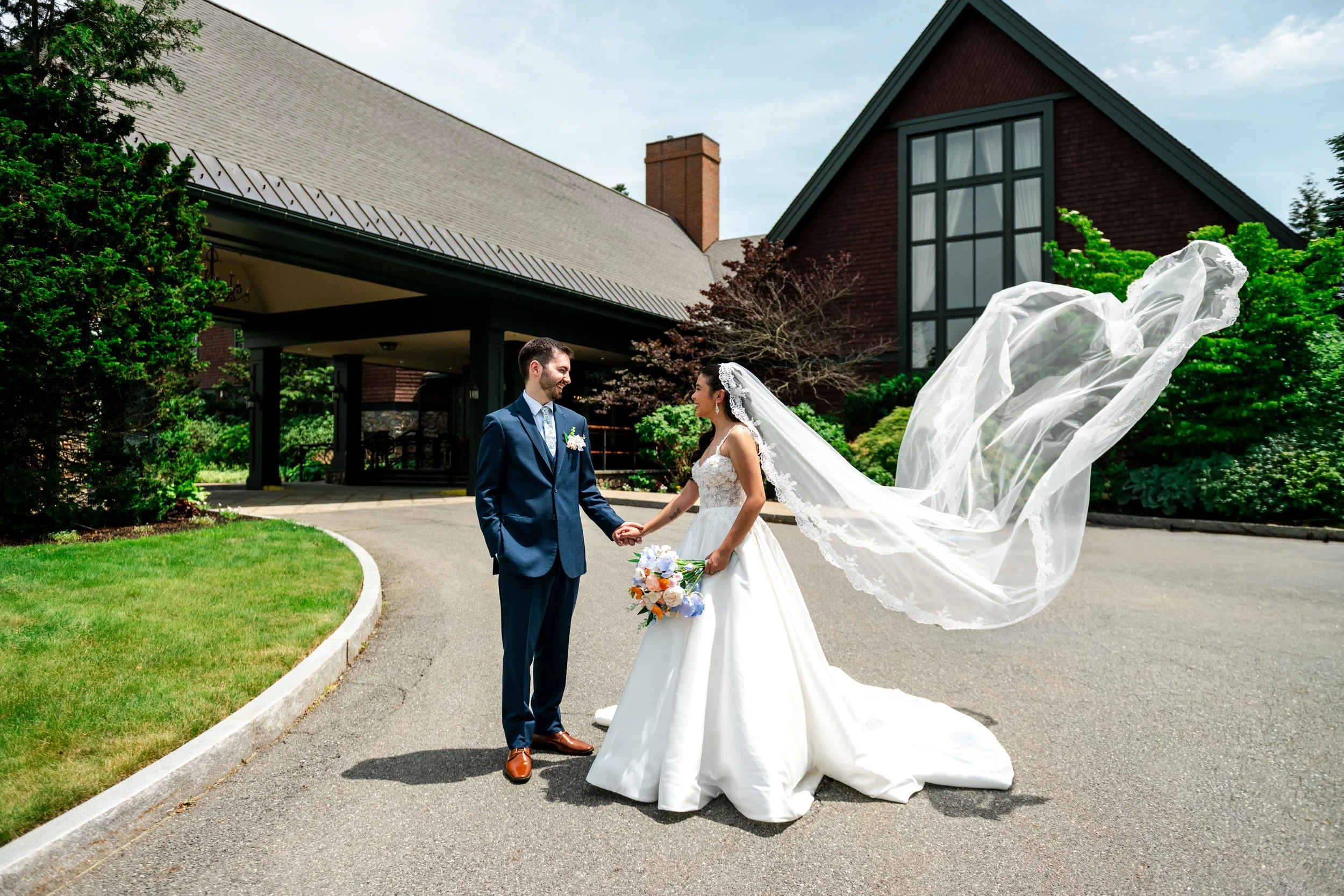
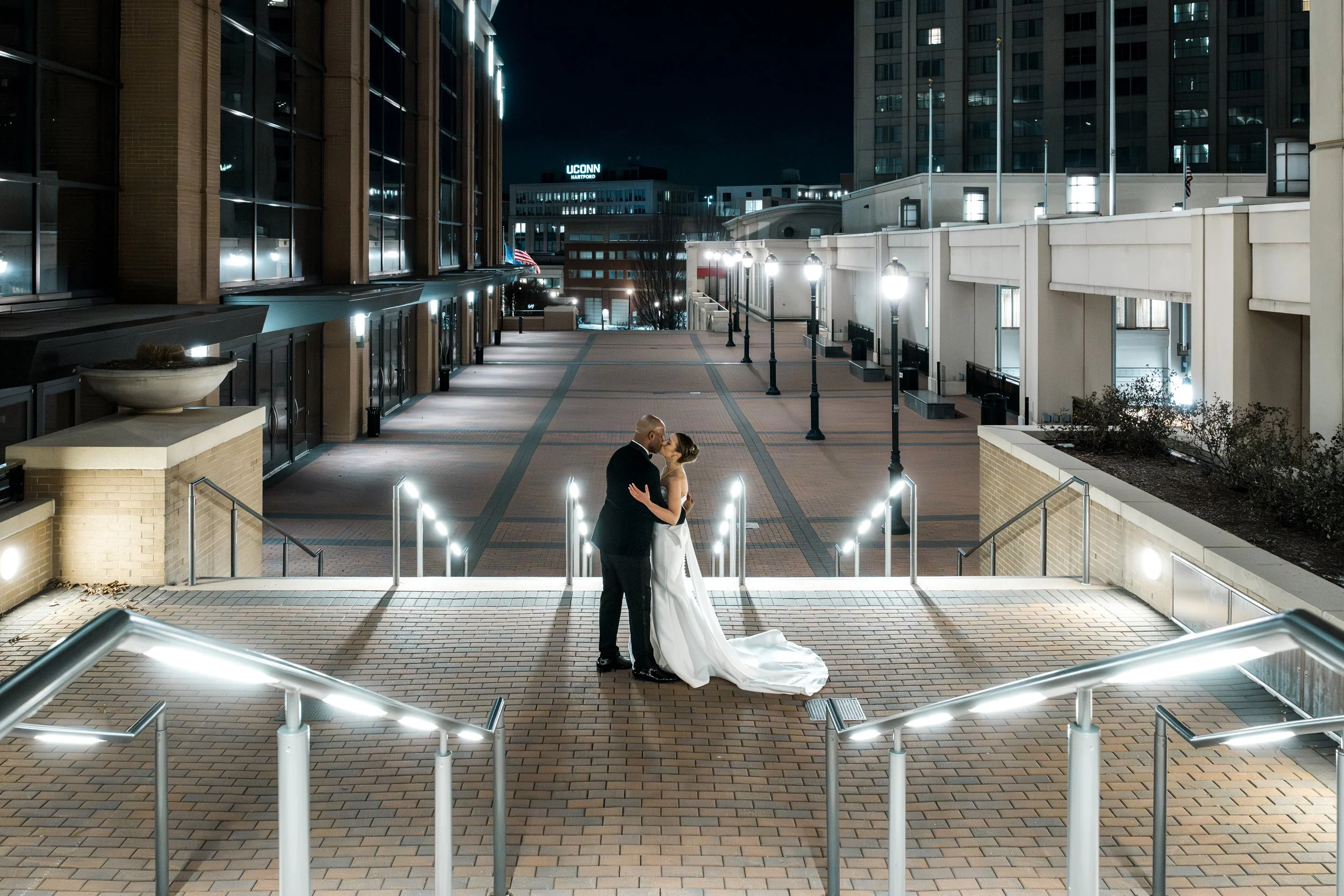


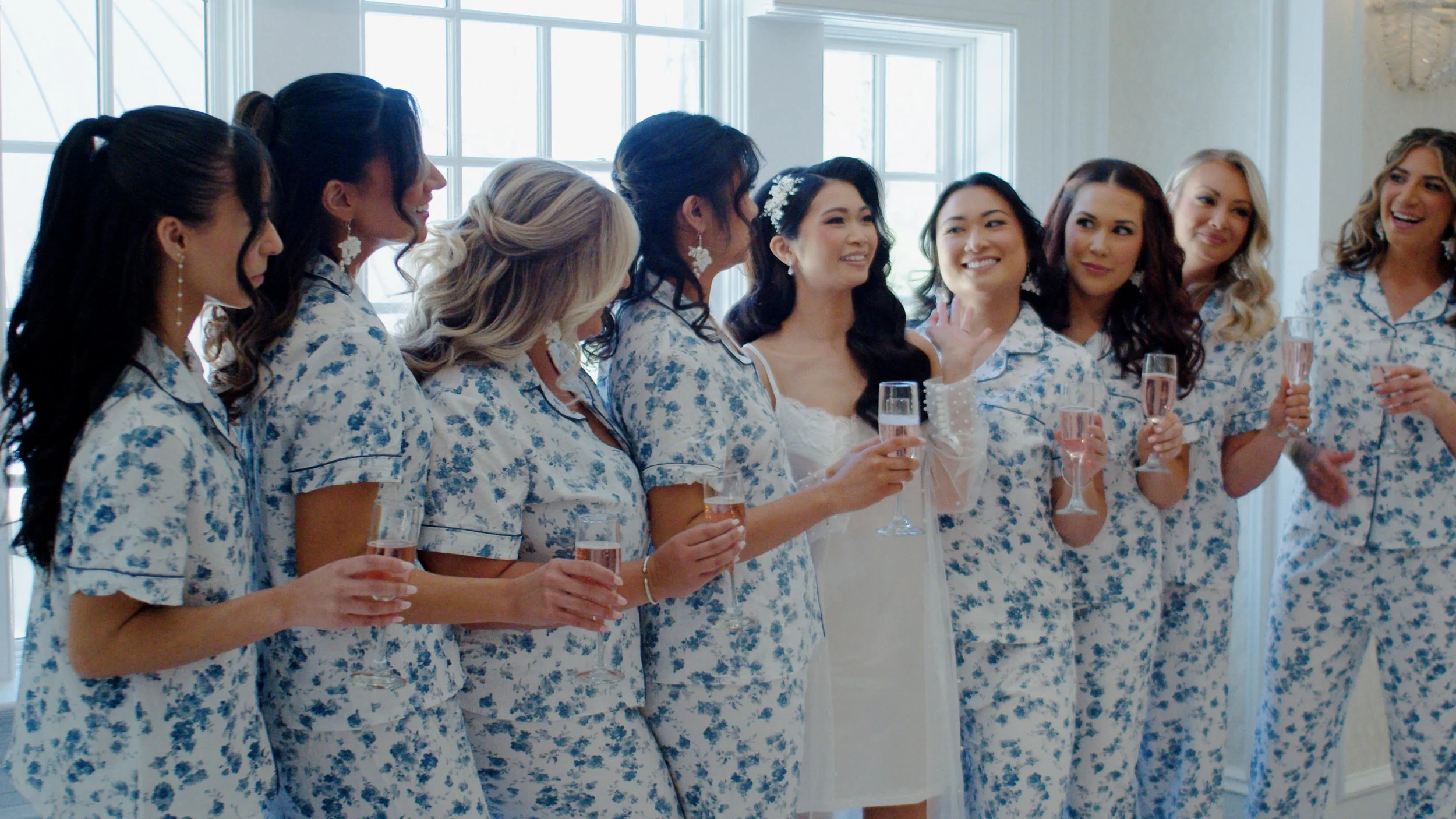
From quiet, emotional morning preparations in Easton to an unforgettable, high-energy reception at Mainline Catering and Events, Caitlin and Dale’s wedding day was filled with unscripted, genuine moments. Take a look inside their full wedding story.