
The Richard J Nieves Photography Podcast Episode 19: Wedding/Event Lens Suggestions
If you're a new photographer, you may be thrown by the choices of lenses out there for you to use. If you're aiming to be a wedding photographer, this episode will be advantageous for you because we'll be discussing lens suggestions for weddings and events.

Episode 19
Wedding/Event Lens Suggestions
If you're a new photographer, you may be thrown by the choices of lenses out there for you to use. If you're aiming to be a wedding photographer, this episode will be advantageous for you because we'll be discussing lens suggestions for weddings and events.
KEH
20% off your first year of HoneyBook
Get 30% Off Your Annual Membership of Skillshare
Podcast Episodes on Apple Podcasts
Where I get my music for the podcast
Nikon S Series 20mm 1.8, 24mm 1.8, 35mm 1.8, 50mm 1.8, 85mm 1.8, 24-70mm 2.8, 70-200mm 2.8
DP Review’s Mount-Specific Lens Purchasing Guides
Please follow me on Instagram @rich_photog, that r-i-c-h-underscore-p-h-o-t-o-g
If you’d like to schedule your next portrait session or give us the honor of photographing your wedding, visit my website www.richardjnphoto.com or email katherine@richardjnphoto.com where my partner will guide you along your journey with us.
Transcript
Welcome to the 19th episode of The Richard J Nieves Photography Podcast!
I’m Richard J Nieves, portrait and wedding photographer, and owner of Richard J Nieves Photography located in The Bronx in New York City.
We'll start with the widest focal length, and move into the tightest. I also am an advocate for prime lenses because of the image quality you'll get from a fixed perspective. However, I will also suggest some zooms at the end.
Most of my suggestions will have f-stops of 1.8. 1.8 primes tend to be much more affordable than their 1.4 and 1.2 counterparts. The wide open depth of field is also a great creative choice like 1.4 or 1.2. The differences in aperture, to me, are minimal.
My first suggestion is a 20mm 1.8. That's wide enough to capture family photos and groups. You'll be able to photograph story and context with wider lenses. Shots of venues and other locations during the wedding day will require a lens this wide. You can also use a 24mm, which will have less distortion, but you'll have to step back if you need the wider view.
My next suggestion is a 50mm 1.8. Known in our industry as a "nifty fifty," it is a fantastic focal length for portraits and story telling. With most 50mm lenses having minimal distortion, you can easily use this to photograph scenery, your clients and their guests while still giving them room to breath. A 35mm is also a good choice, but, for me, it's still a little too wide for most portraits i'd like to take and not wide enough for scenery. But again, that's my opinion and it may suit your style of photography.
Before we get to my last suggestion, please do me a huge favor by following me on Instagram @rich_photog, that r-i-c-h-underscore-p-h-o-t-o-g
If you’d like to schedule your next portrait session or give us the honor of photographing your wedding, visit my website www.richardjnphoto.com or email katherine@richardjnphoto.com where my partner will guide you along your journey with us.
Lastly, it would mean a lot if you left a 5 star review on Apple Podcasts to support what we're doing here on the podcast and get it out to more photographers who may benefit from this information. Let's get back to the show.
Alongside those is the 85mm 1.8. My go to for portraits. This lenses focal length compresses and renders photos so beautifully, my clients end up loving the look it provides. You can capture candid moments while giving those moments space to happen.
Now if you'd prefer having one lens with which you can have the convenience of zooming in or out, I'd recommend the 24-70 2.8 and 70-200 2.8 lenses. They'll cover the ranges I just discussed while allowing you to not have to worry about constant movement and lens switching.
I'm not suggesting you get these to be lazy during your work, but rather to minimize the amount of lenses you're carrying, to save time when having to switch lenses when the moments calls for a wider focal length over a tighter one, and for situations when you can't get very close to your subject like during a ceremony or a speech.
I'll leave links to suggested lenses for most camera systems and to some of my favorite lenses for the Nikon Z6 in the show notes.
Thank you so much for listening to my wedding photography lens suggestions. I hope you find some value in these suggestions, and if you do get any of these lenses, I hope they serve you well.
Don’t forget to keep creating, stay humble, and enjoy the journey. Catch you later.

The Richard J Nieves Photography Podcast Episode 18: Buying Used Gear
When you’re just starting your photography business and your funds are limited, you may have to consider buying second hand gear. That’s not always so bad. That may even be one of the best things you can do for your business.

Episode 18
Buying Used Gear
When you’re just starting your photography business and your funds are limited, you may have to consider buying second hand gear. That’s not always so bad. That may even be one of the best things you can do for your business.
KEH
20% off your first year of HoneyBook
Get 30% Off Your Annual Membership of Skillshare
Podcast Episodes on Apple Podcasts
Where I get my music for the podcast
Please follow me on Instagram @rich_photog, that r-i-c-h-underscore-p-h-o-t-o-g
If you’d like to schedule your next portrait session or give us the honor of photographing your wedding, visit my website www.richardjnphoto.com or email katherine@richardjnphoto.com where my partner will guide you along your journey with us.
Transcript
Welcome to the 18th episode of The Richard J Nieves Photography Podcast!
I’m Richard J Nieves, portrait and wedding photographer, and owner of Richard J Nieves Photography located in The Bronx in New York City.
Photography gear is incredibly expensive. There’s no doubt about that. So whenever I can get my hands on a photography related item I’ve been coveting used at a great discount, I’m on it like a glass of water in the dessert and I’ve been thirsty for days.
When buying used, you can find some incredible bargains. You can find items with minor cosmetic damage, but for the most part the equipment works in perfect condition.
Most of the time, people are upgrading or switching to something new. The items could be good as new.
When buying used, vet the sellers if you’re using a site like Amazon or eBay. Read their seller reviews. Ask to try the item before you complete the purchase if you’re buying in person.
A website I recently found out about for quality, used photography gear has been KEH. They have great prices for used gear, and you can sell your used gear on there as well. They're not a sponsor, but I found them really handy for finding great prices on Nikon lenses.
I also find used gear on B&H photo video located in downtown Manhattan. They have great prices and friendly, knowledgable staff. They're also not a sponsor.
Be smart, trust your instincts, and with some luck you can find the gear you need to provide the best photography service without breaking the bank.

The Richard J Nieves Photography Podcast Episode 17: Back Up Your Back Ups
We’ve talked about camera storage back in episode 14. Now we're going to go through the process after you take your photos and get back to your computer. Getting them onto multiple storage devices so you can have backups on backups.

Episode 17
Back Up Your Back Ups
We’ve talked about camera storage back in episode 14. Now we're going to go through the process after you take your photos and get back to your computer. Getting them onto multiple storage devices so you can have backups on backups.
How to Move Your Lightroom Photos to an External Drive
Let's Talk About Backup for Photographers & Filmmakers
Wedding Photography: My Photo Backup Workflow
20% off your first year of HoneyBook
Get 30% Off Your Annual Membership of Skillshare
Podcast Episodes on Apple Podcasts
Where I get my music for the podcast
Please follow me on Instagram @rich_photog, that r-i-c-h-underscore-p-h-o-t-o-g
If you’d like to schedule your next portrait session or give us the honor of photographing your wedding, visit my website www.richardjnphoto.com or email katherine@richardjnphoto.com where my partner will guide you along your journey with us.
Transcript
Welcome to the 17th episode of The Richard J Nieves Photography Podcast!
I’m Richard J Nieves, portrait and wedding photographer, and owner of Richard J Nieves Photography located in The Bronx in New York City.
When I first started photography, I thought I lived in a world where nothing wrong could happen. I was exempt from software malfunctions. Then my Lightroom Catalogue, the file that contained all my cherished data in Lightroom, got corrupted and I failed to keep proper backups. Thousands of photos lost. I learned my lesson the hard way.
If you're just beginning your photography business, I implore you get some affordable solutions until you can afford higher end storage solutions.
<Honeybook Ad>
Honeybook is my CRM of choice for Richard J Nieves Photography because of its all in one design.
I can send proposals, contracts, and invoices all from within the app. I can even include email chat threads with my clients all from within Honeybook. It's a jam packed CRM solution for business owners.
Honeybook integrates with all the other apps in my workflow including Quickbooks and Zoom.
If you use the link in the show notes, you'll receive 20% off your first year of HoneyBook and you'll be supporting this show.
I hope you enjoy your first year of Honeybook,
Now let's get back to the show.
I recommend you purchase at least 2-3 affordable HDD external hard drives with lots of storage.
For under $100, you can get hard drives with terabytes of storage.
I also suggest you get an external SSD hard drive to work off of.
A good one will cost roughly $150-$200, but they're worth the cost.
When you're initially off-boarding your files from your camera's memory card, copy them, not move them, to one of your large hard drives. Those are your first copies.
After you've gone through those photos and chosen your favorites, copy those to your SSD. Those are your second copies.
The reason you want to work off of an SSD is because they typically have much faster read and write speeds compared to HDDs.
If you purchased more than one inexpensive second hard drive, copy all of your files to the second hard drive for redundancy. Those are your third copies.
I also recommend you spend $6 every month and pay for an online backup service like BackBlaze. They're not a sponsor, but I really love that, for an affordable rate, they'll backup whatever drives I ask of them. Those will be your 4th copies.
Backups will not only allow all the work you've done to not be in vein should you have a malfunction, but it allows you to have the peace of mind knowing your client's memories are in tact and always available.
There's better storage solutions available, but you're paying a high price for the technology and convenience for items such as hard drive enclosures featuring RAID arrays or NAS systems.
If you're just starting with a limited budget, this solution could hold you down until you can upgrade.
I'll leave links to my favorite YouTube videos featuring more in-depth solutions and recommendations for storage gear, I'll also include links to my favorite storage HDDs and SSDs in the show notes and blog post for this episode on www.richardjnphoto.com/blog.
If you have another way of managing photography storage, please leave a comment on the blog or on my instagram post for this episode. My username is rich_photog.
<Skillshare Ad>
Skillshare has been one of the best resources I have for learning everything from photography, videography, to writing and programing.
There's courses from everybody including lifestyle and productivity skills, graphic design, music production, entrepreneurship, and much more.
I used it to get a handle on Premiere Pro to edit my first short film.
Get 30% Off Your Annual Membership using the link in the show notes.

The Richard J Nieves Photography Podcast Episode 16: Learning From Failure/Product Recommendation: Peak Design Travel Tripod
Failure has been one of the most important tools I’ve had in my kit since the beginning of my photography career. Failure has allowed me to learn right from wrong in my business. It's allowed me to correct course when I believe I'm on the wrong path.

Episode 16
Learning From Failure/Product Recommendation: Peak Design Travel Tripod
Failure has been one of the most important tools I’ve had in my kit since the beginning of my photography career. Failure has allowed me to learn right from wrong in my business. It's allowed me to correct course when I believe I'm on the wrong path.
Portfolio
20% off your first year of HoneyBook
Get 30% Off Your Annual Membership of Skillshare
Podcast Episodes on Apple Podcasts
Where I get my music for the podcast
Please follow me on Instagram @rich_photog, that r-i-c-h-underscore-p-h-o-t-o-g
If you’d like to schedule your next portrait session or give us the honor of photographing your wedding, visit my website www.richardjnphoto.com or email katherine@richardjnphoto.com where my partner will guide you along your journey with us.
Don’t forget to keep creating, stay humble, and enjoy the journey.
Transcript
Failure has been one of the most important tools I’ve had in my kit since the beginning of my photography career. Failure has allowed me to learn right from wrong in my business. It's allowed me to correct course when I believe I'm on the wrong path.
<play intro music>
Let’s talk more about failure as a tool for success in your photography business.
Welcome to the 16th episode of The Richard J Nieves Photography Podcast!
I’m Richard J Nieves, portrait and wedding photographer, and owner of Richard J Nieves Photography located in The Bronx in New York City.
A lot of new photographers want to do a great job when they start working. They don't want to disappoint their client. The best photographers are the ones who gets hit hard by failure, but is able to recover quickly, analyze and learn from their mistakes, and get back to work.
The important aspect of failure isn't the screw up, but it's the moment where you see where you went wrong. You're able to step back, go "ah, I see what I did there," and not do that again or do it differently to achieve success.
Those who do not admit failure or learn from it will not be able to learn and grow because their ego is standing in the way. Again, those who do not admit and learn from their failures will continue to fail and fall short.
Here's some ways I’ve been able to analyze my failures in business, and find solutions for them.
One of the best ways to gauge your performance is by asking for feedback from the people who've seen you work firsthand. Your clients.
Tell them to be as honest and forthright as possible. A lot of people will try to be as positive, and thats beautiful, but if there was a glitch in the matrix, you need to know it in order to learn and grow as a photographer and provider.
You can get that feedback directly after a shoot. Ask your client for an extra 5 minutes of their time to ask a couple of questions about your performance.
If you can't ask directly after your session or if you're shooting an event or wedding, send an email later on asking for any criticism. CRM software like Honeybook will send an email like that as part of your workflow automatically.
Speaking of Honeybook, let's pay some bills.
<Honeybook Ad>
<Hire an assistant or second shooter>
A second option for getting feedback is having an assistant or second shooter on hand. If you're shooting weddings and events, you may already have someone who sees how you work and can offer advice or opinions on your work style. If there's any room for improvement, they'd see it and let you know what's up.
If you're not ready to lead, then you be the second shooter or assistant and get as much feedback as you can before you even make the mistakes. Sometimes preventative measures can make up for the lessons learned by failure.
A third way to analyze your failures and wins is to document. Whether that be by keeping a journal in your camera bag where you can write all of your wins and losses, vlogging with your camera, or keeping a small recorder or using your phone to remind yourself audibly of how you've done.
The 4th way and something I think we should all do, is just work on being reflective. After your shoots, there's always a moment for you to take a breath and assess how the day went. Did you notice something you did that you can do differently to improve efficiency? Was there something you did that didn't quite work the way you did it, but could work another way? Take a moment to think and look back. I use an app called Headspace to collect myself after a busy day of photographing. It puts me in the mindset to think about everything I've done and how I can improve.
Take your failures and turn them into lessons that'll set you up for wins for years to come.
<Skillshare Ad>
Welcome to the first episode featuring this section called The Kit!
I want to share equipment suggestions that I've used or would like to acquire so you can get an idea of what's out there to help get the job done.
Today, I'm recommending a birthday gift I received back in December. The Peak Design Travel tripod in aluminum.
A tripod is one of the first pieces of gear I'd recommend you invest in when beginning your photography kit. I started with an inexpensive tripod i got off of Amazon years ago. It got the job done, but there were things about it that could really improve my workflow and quality of life.
First off, the Peak Design Travel Tripod folds up incredibly small. When collapsed, it is only a little more than 15" in length. Width wise, this thing is about the thickness of a water bottle. When putting it in my camera bag, i fit it in the water bottle pouch on the side of my bag. It's a little hefty at a bit over 3 pounds, but it feels solid. It can take a fall. The carbon fiber version is more expensive, but much, much lighter. It's height is 60 inches fully extended. It's tall enough for my portrait needs, but there are definitely travel tripods which can get much taller.
The ball head is very intuitive, easy to use, and can hold my mirrorless camera with a hefty 105mm lens with no problems.
It even includes a handy phone mount right in the center column. I use it all the time for vlogging and when I don't feel like using my camera for some video going on social media.
If you use other Peak Design accessories, the plate thats included with the tripid also works with those too. I use their capture clip, camera strap, and hand strap. I NEVER need to take the plate off of my camera.
I absolutely love this tripod. It retails for about $350. It's fairly expensive when in relation to most consumer tripods, but for the build and how it performs, it's a worthy investment. I'd reccoemdn this for studio work, or if you're travelling and want a tripid that will last out in the world. For video, you'd best be looking at a video-centric tripod with sturdier legs that can manage heavyier weights, and a fluid head.
I'll leave links to this tripod and the rest of my gear in the show notes and blog post for this episode.
Please follow me on Instagram @rich_photog, that r-i-c-h-underscore-p-h-o-t-o-g
If you’d like to schedule your next portrait session or give us the honor of photographing your wedding, visit my website www.richardjnphoto.com or email katherine@richardjnphoto.com where my partner will guide you along your journey with us.
Don’t forget to keep creating, stay humble, and enjoy the journey.
Catch you later.

The Richard J Nieves Photography Podcast Episode 15: Don't Worry About The Brand
You'll find, to make small talk or get to know you, people will ask you what camera are you using. Some may even pass judgement on you based on what camera brand you're shooting with. I want to let you know none of it matters very much. Let's discuss.

Episode 15
Don't Worry About The Brand
You'll find, to make small talk or get to know you, people will ask you what camera are you using. Some may even pass judgement on you based on what camera brand you're shooting with. I want to let you know none of it matters very much. Let's discuss.
Portfolio https://www.richardjnphoto.com
Blog https://www.richardjnphoto.com/blog
Instagram https://www.instagram.com/rich_photog/
Honeybook Link http://share.honeybook.com/richard68357 20% off your first year of HoneyBook
Podcast Episodes on Apple Podcasts
Please follow me on Instagram @rich_photog, that r-i-c-h-underscore-p-h-o-t-o-g
If you’d like to schedule your next portrait session or give us the honor of photographing your wedding, visit my website www.richardjnphoto.com or email katherine@richardjnphoto.com where my partner will guide you along your journey with us.
Don’t forget to keep creating, stay humble, and enjoy the journey.
Transcript
I truly believe what camera brand you decide to photograph with doesn't matter in the ways a-lot of people seem to care about. What defines you as a photographer is not what camera you use, but how you use it.
Camera's are tools. Like a screwdriver to a repairman, camera's help the photographer photograph. They allow the photographer to record irreplaceable moments and spread emotion.
I've talked about my current camera and how I use it for my work. I am not a loyalist to Nikon. I don't know anybody who works there. I use Nikon cameras because I love the form factor of the bodies. They've always felt good in my hands. I have fairly big hands and Nikon's grips tend to be quite large compared to other brands, which works for me. The button layouts tend to be the same and they work for me. I love how my Nikon's render images. The colors are fantastic.
Now if Fujifilm or Canon came out with something that felt better in the hands. If they came out with a camera that had feature sets that truly intrigued me, I wouldn't hesitate to use those cameras more often.
I'd like to get into more video productions later in 2021. I've been eyeing the Canon R5 and R6 since they were released. I've been looking at Fujifilm's XT4 for it's video capabilities. Nikon recently released the Nikon Z6 II. I already own Nikon lenses, so that may be the route I go, but again, I'm not married to my brand. The brand doesn't do the work. I do the work.
The brand you use doesn't make you. You and your actions are responsible for the quality of work and reputation you put out there.
I don't want you to get stuck in a rut because you cant decide on a camera because of it's brand. I want you to make a choice based on how it can perform for the type of work you'd like to put forth.

The Richard J Nieves Photography Podcast Episode 14: Camera Storage
Probably one of the most important, but neglected pieces of gear we don’t give too much thought about, but really should, is storage. The memory cards that go into your camera. The thing that carries all your work. It’s necessary that you get the right card for your situation.

Episode 14
Camera Storage
Probably one of the most important, but neglected pieces of gear we don’t give too much thought about, but really should, is storage. The memory cards that go into your camera. The thing that carries all your work. It’s necessary that you get the right card for your situation.
Links
Podcast Homepage https://www.rjnphotopod.com
Portfolio https://www.richardjnphoto.com
Blog https://www.richardjnphoto.com/blog
Instagram https://www.instagram.com/rich_photog/
Honeybook Link http://share.honeybook.com/richard68357 20% off your first year of HoneyBook
Podcast Episodes on Apple Podcasts
Please follow me on Instagram @rich_photog, that r-i-c-h-underscore-p-h-o-t-o-g
If you’d like to schedule your next portrait session or give us the honor of photographing your wedding, visit my website www.richardjnphoto.com or email katherine@richardjnphoto.com where my partner will guide you along your journey with us.
Don’t forget to keep creating, stay humble, and enjoy the journey.
Transcript
The most common types of memory cards used by modern photographers include SD cards, Micro SD cards, CF cards, and CF express cards.
SD cards are, by far, the most common type of memory card used by cameras these days. They are small and affordable. You can find them as easily as you can a snickers bar in a deli.
Micro SD cards are very small storage units meant to be used with smaller devices like drones, small cameras, and other undersized devices.
CF and CF express cards are typically found in more advanced cameras meant for professionals. They are a bit bigger than an SD card, but they are more reliable in terms of build and data retention.
There's other types of memory cards you can buy, but the ones I just mentioned are the most common of the bunch.
When shopping for a memory card, first identify which of those memory cards your camera accepts.
You'll then need to decide how much storage you need. For me, If I'm shooting in studio where I can tether my camera to my computer, which allows me to send my photos I take directly to my computer instead of the memory card, then I'll choose a smaller amount like 32gb or 64gb. If I'm shooting a wedding where I wont necessarily have enough time to keep backing up my photos as I shoot, I'll opt for a larger capacity card like 64gb to 128gb. However, i'm a little odd in that I'd typically stick with 64gb because then I have no choice but to switch cards, which allows me to have photos separated in case of card failure. I wont lose everything I've shot that day. If you're shooting portraits outdoors, I'd also recommend sticking with a 64gb to 128gb card.
I started out with 32gb cards. I always found myself filling up the space very quickly and I had to stop what I was doing to sacrifice potential great photos for more photos. The hassle isn't worth it.
After you've chosen your storage amount, you'll have to decide what speeds you want for your memory card. The values you'd need to look out for are read and write speeds. When you have higher values for read and write speed, your camera can take more photos in the moment because your memory card and handle the speed at which you're shooting. The time it takes for your memory card to export your photos to another device is dependent on your write speed.
I don't want you to get jarred when you see prices for memory cards with better read and write values. I've paid more than $100 for one memory card, but I know the performance of the card will allow me to be as productive as I can be. I'd recommend you don't try to save a couple of bucks when purchasing your cards. Spend a little extra on quality cards. The worst thing that can happen when skimping on memory card quality is they can slow you down if the read speeds are slow, and cheaper cards, though it can still happen to expensive cards but not as frequently, is they can fail and corrupt your files. A shoot lost is a hurtful thing to happen to any photographer.

The Richard J Nieves Photography Podcast Episode 13: The Most Important Goal For Working Photographers
If you’re photographing to support you and your family, I truly believe you should have one main goal when proving photos for clients. This one goal could fuel your work in ways you’ve never dreamt. This one goal could be the thing that sets you apart from the rest. The goal, for all of us working photographers, is to be in service of our clients.

Episode 13
The Most Important Goal For Working Photographers
If you’re photographing to support you and your family, I truly believe you should have one main goal when proving photos for clients. This one goal could fuel your work in ways you’ve never dreamt. This one goal could be the thing that sets you apart from the rest. The goal, for all of us working photographers, is to be in service of our clients.
Portfolio https://www.richardjnphoto.com
Blog https://www.richardjnphoto.com/blog
Instagram https://www.instagram.com/rich_photog/
Honeybook Link http://share.honeybook.com/richard68357 20% off your first year of HoneyBook
Podcast Episodes on Apple Podcasts
Please follow me on Instagram @rich_photog, that r-i-c-h-underscore-p-h-o-t-o-g
If you’d like to schedule your next portrait session or give us the honor of photographing your wedding, visit my website www.richardjnphoto.com or email katherine@richardjnphoto.com where my partner will guide you along your journey with us.
Don’t forget to keep creating, stay humble, and enjoy the journey.

The Richard J Nieves Photography Podcast Episode 12: Shooting Modes
On your DSLR or Mirrorless camera, you'll most likely have a dial on the top of your camera body with letters including Auto, A, S, P, and M among others depending on your camera. Those are your shooting modes. That's what we'll be discussing today.

Episode 12
Shooting Modes
Join Rich as he discusses the differences between RAW and JPG files, as well as when and why to use them.
Portfolio https://www.richardjnphoto.com
Blog https://www.richardjnphoto.com/blog
Instagram https://www.instagram.com/rich_photog/
Honeybook Link http://share.honeybook.com/richard68357 20% off your first year of HoneyBook
Podcast Episodes on Apple Podcasts
Please follow me on Instagram @rich_photog, that r-i-c-h-underscore-p-h-o-t-o-g
If you’d like to schedule your next portrait session or give us the honor of photographing your wedding, visit my website www.richardjnphoto.com or email katherine@richardjnphoto.com where my partner will guide you along your journey with us.
Don’t forget to keep creating, stay humble, and enjoy the journey.

The Richard J Nieves Photography Podcast Episode 11: 2021
Even though I lost my 9 to 5, my time grew exponentially and I was able to have the energy to focus on my passion.
Maybe you’re in the same boat as me. You lost your main source of income and now you feel the desperation. I want you to take that feeling and turn it into motivation. Turn the worry into a spark that’ll ignite your business into the source of energy people desperately crave.
Make plans. Get focused. Put in the work. Show us what you’re made of. It’s all we can do in the beginning of 2021.
Episode 11
2021
Join Rich as he discusses the differences between RAW and JPG files, as well as when and why to use them.
Links
Portfolio
Instagram
Wikipedia entry for RAW files
Wikipedia entry for JPG files
Phlearn's Tutorial for working with RAW files in Photoshop
Get 20% off your first year of Honeybook using my link.
http://share.honeybook.com/richard68357
Transcript
Welcome to the 11th episode of The Richard J Nieves Photography Podcast!
I’m Richard J Nieves, portrait and wedding photographer, and owner of Richard J Nieves Photography located in The Bronx in New York City.
2020 was a tough year. That’s the most obvious statement I could make right now, but it’s true and it’s why we’re here today.
2021 has the stigma of 2020 to contend with, but it’s a new year. You and me have a new beginning where we can get back our bearings. We can achieve our goals and provide the services we’ve committed ourselves to producing.
In the beginning of 2020, I was one of the many people that got a fire lit under me when I lost my job in March.
My main source of income, gone within a day. I was worried about providing for my family. My future was cloudy.
Thankfully I was able to get assistance and I have an amazing support team in my family.
I was so stressed and am still dealing with that tension.
However, that stress put fuel in my tank for this photography business.
By the end of 2020, I had trippled my income from photography compared to 2019, got published in multiple international magazines, shot my first short film that’s still in the works, and started two podcasts.
For 2021, I’ll continue to expand on the reach and experience of the shows I’ve started. My business and art will flourish as long as I keep laser focused on it’s success.
Even though I lost my 9 to 5, my time grew exponentially and I was able to have the energy to focus on my passion.
Maybe you’re in the same boat as me. You lost your main source of income and now you feel the desperation. I want you to take that feeling and turn it into motivation. Turn the worry into a spark that’ll ignite your business into the source of energy people desperately crave.
Make plans. Get focused. Put in the work. Show us what you’re made of. It’s all we can do in the beginning of 2021.
I’ll also be including links to the gear I use in the description and blog post for this episode.
Please follow me on Instagram @rich_photog, that r-i-c-h-underscore-p-h-o-t-o-g
If you’d like to schedule your next portrait session or give us the honor of photographing your wedding, visit my website www.richardjnphoto.com or email katherine@richardjnphoto.com where my partner will guide you along your journey with us.
Don’t forget to keep creating, stay humble, and enjoy the journey.
Catch you later.

The Richard J Nieves Photography Podcast Episode 10: RAW vs. JPG
You’ve heard me mention in passing the ways RAW Files and JPG are different. We’re going to dedicate this episode to it so by the end you’ll be more informed on when to shoot in either file format.
RAW files are minimally processed files that, after editing and exporting them from an image editor such as Adobe Photoshop, Lightroom, Capture One, or Luminar for example, can be turned into a proper image file, such as a JPG.
A JPG file is a compressed, processed image created after you press your shutter button. You’re allowing your camera to determine the best settings to get proper exposure.

Episode 10
RAW vs. JPG
Join Rich as he discusses the differences between RAW and JPG files, as well as when and why to use them.
Links
Portfolio
Instagram
Wikipedia entry for RAW files
Wikipedia entry for JPG files
Phlearn's Tutorial for working with RAW files in Photoshop
Get 20% off your first year of Honeybook using my link.
http://share.honeybook.com/richard68357
Transcript
Welcome to the 10th episode of The Richard J Nieves Photography Podcast!
I’m Richard J Nieves, portrait and wedding photographer, and owner of Richard J Nieves Photography located in The Bronx in New York City.
You’ve heard me mention in passing the ways RAW Files and JPG are different. We’re going to dedicate this episode to it so by the end you’ll be more informed on when to shoot in either file format.
RAW files are minimally processed files that, after editing and exporting them from an image editor such as Adobe Photoshop, Lightroom, Capture One, or Luminar for example, can be turned into a proper image file, such as a JPG.
A JPG file is a compressed, processed image created after you press your shutter button. You’re allowing your camera to determine the best settings to get proper exposure.
Without getting too thorough with the differences, the biggest variances between the two file formats that most photographers will see are file size and quality of edit.
RAW files are uncompressed, meaning they have a lot more data stored within it than a compressed file, such as a JPG file. All that data contains large amounts of exposure information, such as in highlights and shadows, for example, that can be altered cleanly in your image editor of choice. With all that data comes a larger file. If you’re photographing in RAW with a minimal amount of storage in your camera, your storage may be filled before you finish your work.
JPG images, as I just mentioned, are compressed, so their file size is much smaller than a RAW file, but you lose the ability to properly adjust exposure in post processing.
JPG files are akin to a bowl of spaghetti. You have your final product in front of you, ready to consume. You realize after the fact you didn’t like the garlic powder you added. It’s too strong. Sadly, you can’t take it out of the recipe. With JPG files, if you’ve done something to push the exposure to a place you don’t like, it’s fairly difficult to recover details and change exposure in a dramatic way.
You can make small adjustments, but the amount of work that can be done is minimal compared to a RAW file.
Some camera’s will allow you to shoot in RAW and JPG at the same time. The advantage of that is you’ll have processed images ready to be shared at a moments notice without much work involved. You’ll also have those RAW files in case you need to make drastic changes to the exposure. The negative is you now have a large RAW file and a JPG file on your storage device, which will limit how much you can photograph.
You can also choose the quality of your RAW and JPG files. You can choose to forgo quality of image for file size, or vice versa. Thats great for when you’re looking to share an image on social media where we’re only seeing a very small display.
If you’re new to photography, id recommend you shoot in JPG in order to first get a feel of your camera without the stress of having to edit images after taking your picture. After you get the hang of photographing, you can move on to using RAW files and practice editing those.
When I first started photographing, I shot in JPG for family. When I’d mess up a photograph that someone really wanted, I couldn’t salvage that moment because I shot in a compressed file format. Now that I know how to edit RAW files, I shoot in a combination of RAW files and JPG so my family can have their photos when they want them and I can have photos to edit in my own way down the road.
I’ll include examples of JPG and RAW images processed and lightly processed in the blog post for this episode.
I’ll also be including links to the gear I use in the description and blog post for this episode.
Please follow me on Instagram @rich_photog, that r-i-c-h-underscore-p-h-o-t-o-g
If you’d like to schedule your next portrait session or give us the honor of photographing your wedding, visit my website www.richardjnphoto.com or email katherine@richardjnphoto.com where my partner will guide you along your journey with us.
Don’t forget to keep creating, stay humble, and enjoy the journey.
Catch you later.
Search Posts
Post Archive
- Wedding Photography
- wedding planning
- photography
- podcast
- Wedding Videography
- Engagement Photography
- Engagement Session
- education
- Engagement Sessions
- wedding photography
- Weddings
- family photography
- Film Photography
- Wedding Planning Tips
- Portrait Photography
- Wedding Film
- Adventure
- Advice
- Bridal Style & Fashion
- Event Photography
- Help
- Suggestions
- Tips
- Wedding Inspiration
- birthday
- Bachelorette Party
- Backyard Celebrations\
- Birthday Photoshoot
- Boudoir Photography
- Bridal Boudoir Photos
- Bridal Party Inspiration
- Charity
- Donation
- Exploring
- Family Photos
- Groom & Groomsmen Inspira
- Jewish Wedding
- Jewish Wedding Traditions
- Korean Wedding
- Location
- NYC
- New Jersey Winter Wedding
- Personal
- Photography Adventures
- Real Weddings
- Travel Photography
- Unique Details
- Update
- Wedding Bouquets
- announcement
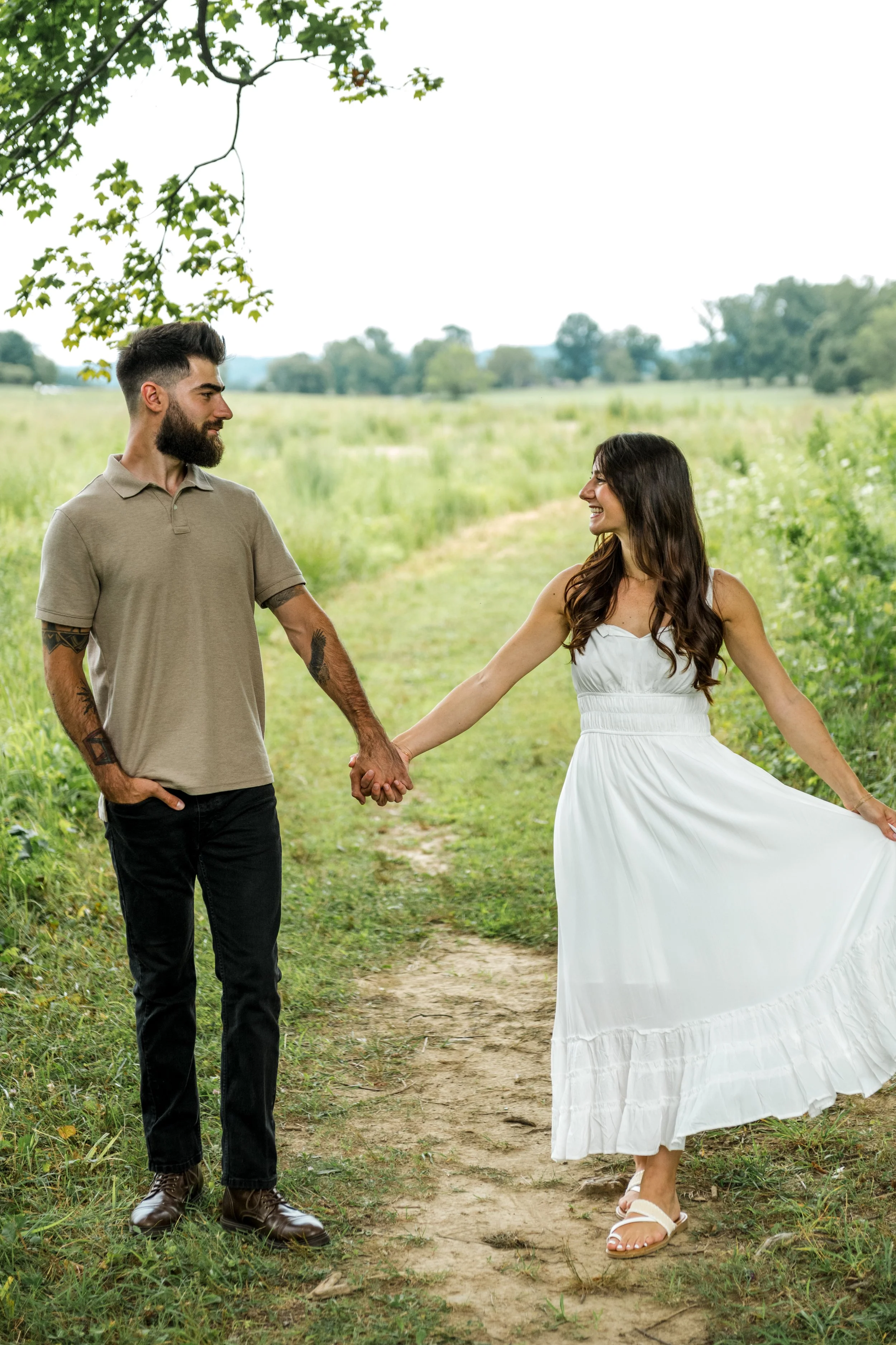
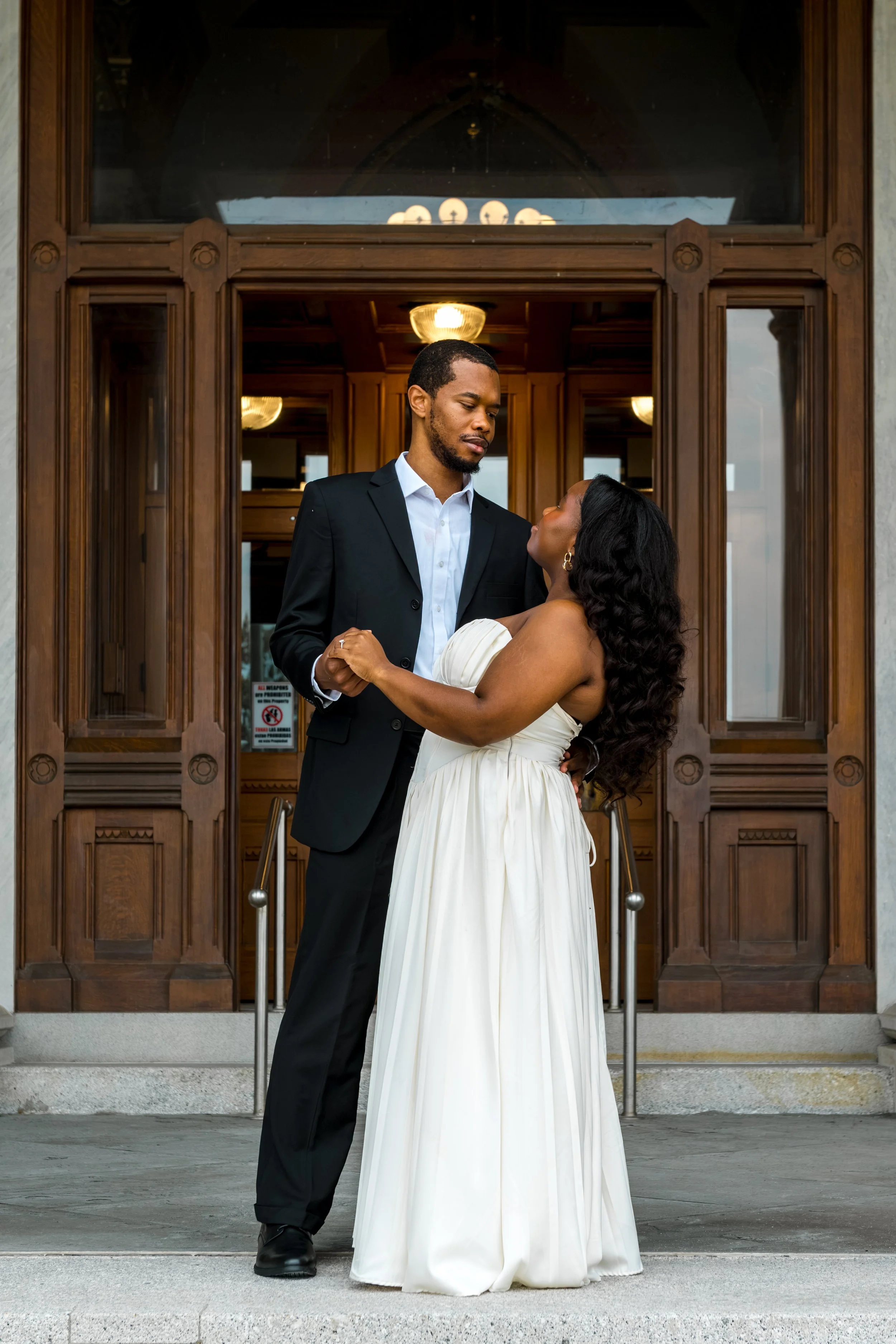
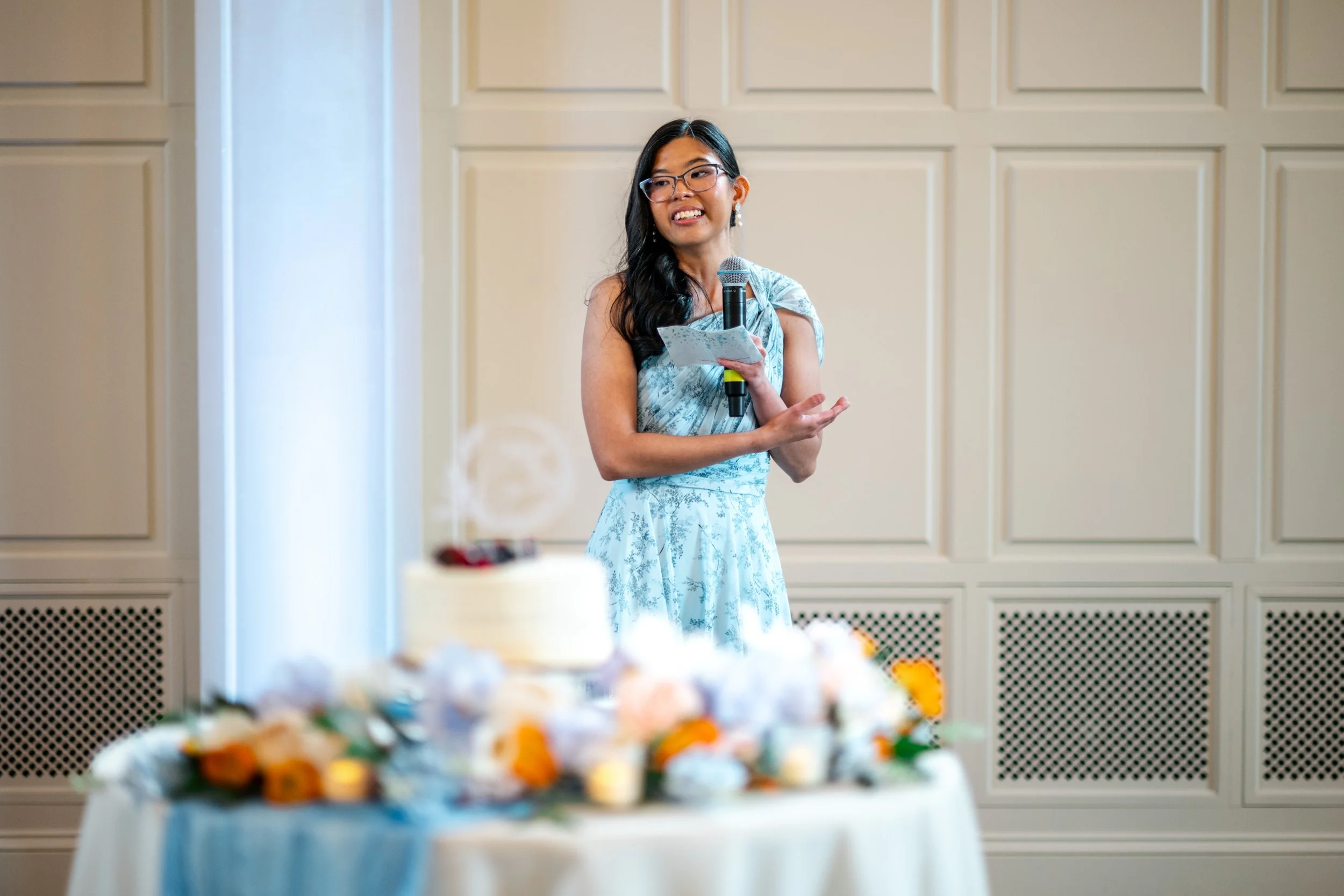
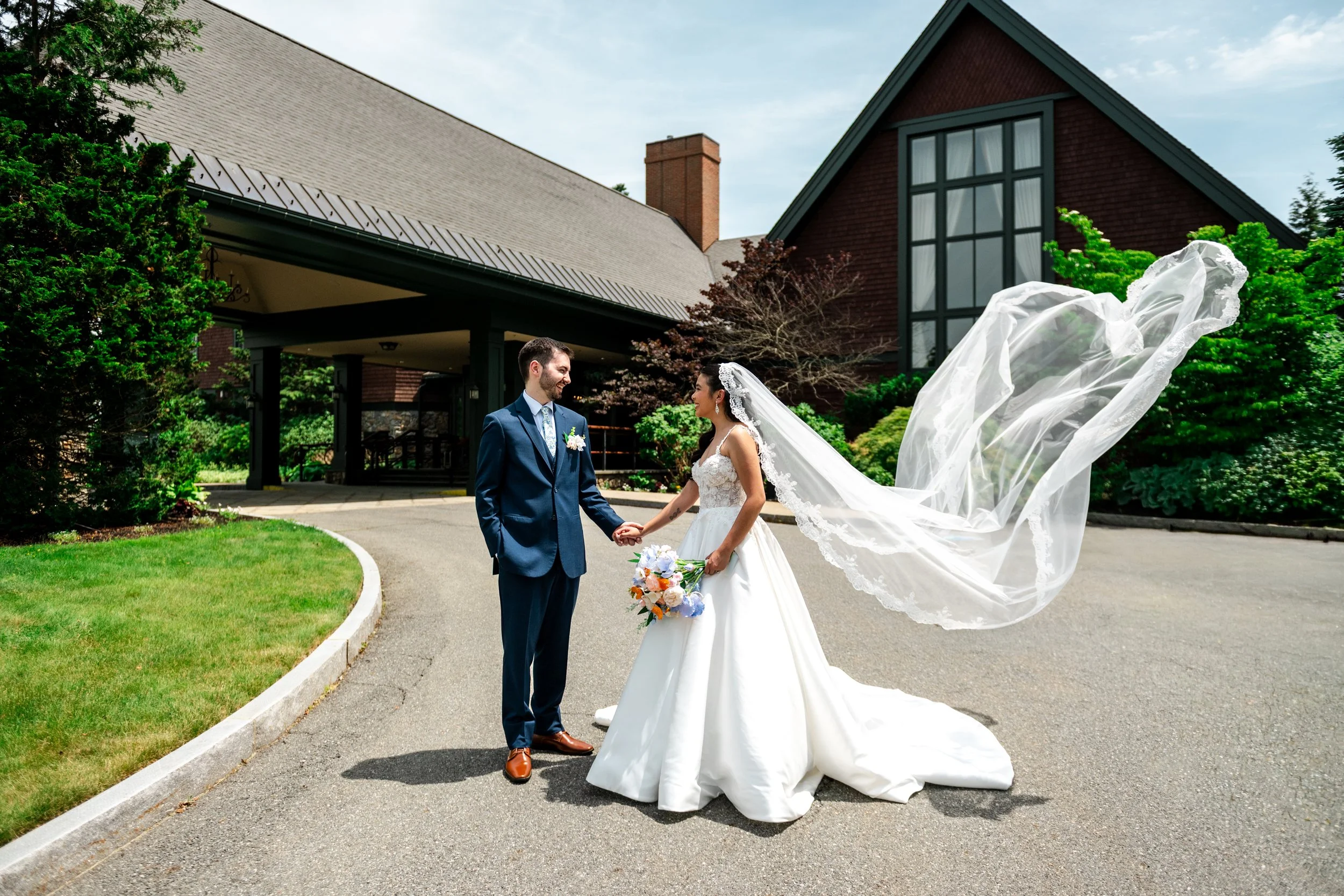
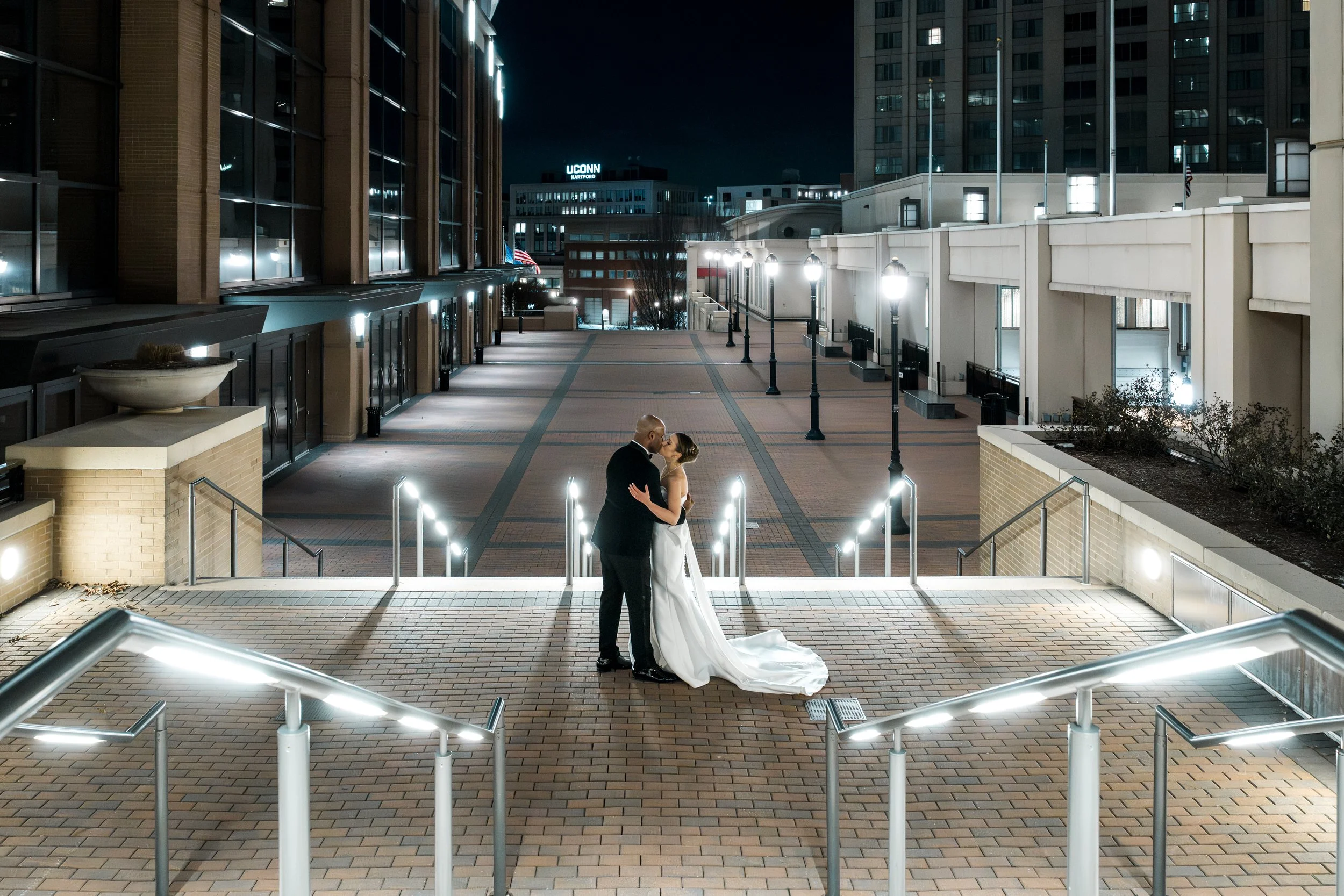


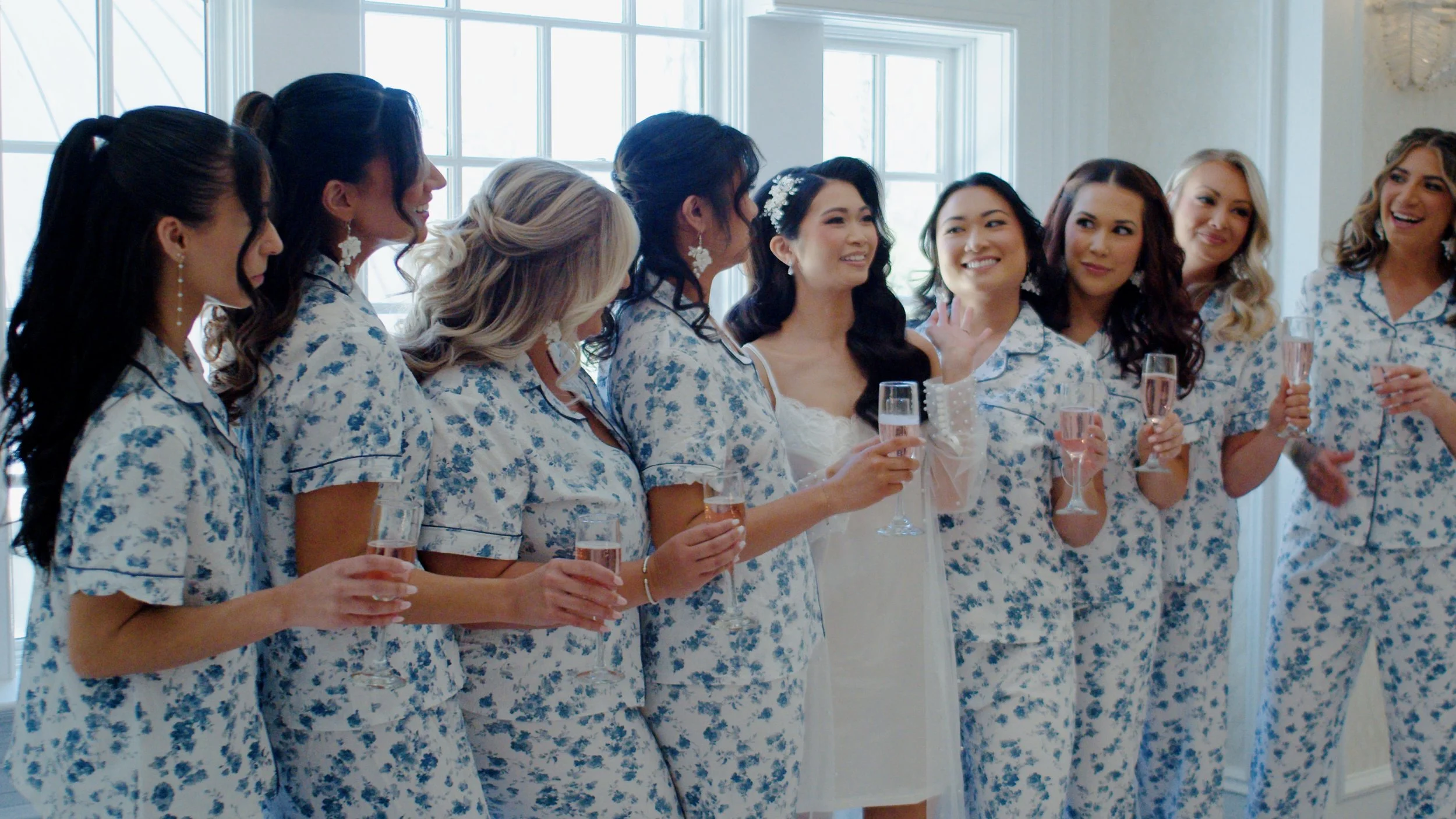
From quiet, emotional morning preparations in Easton to an unforgettable, high-energy reception at Mainline Catering and Events, Caitlin and Dale’s wedding day was filled with unscripted, genuine moments. Take a look inside their full wedding story.