
Engagement Highlights with Christian and Deanna at Rutgers Gardens
Christian and Deanna’s engagement session at Rutgers Gardens was full of warmth, laughter, and just the right amount of spring bloom. We worked around nature’s timing to find the perfect pockets of color—and the result was a collection of images that feel relaxed, romantic, and real.


I had the chance to film Christian and Deanna’s engagement session at Rutgers Gardens in New Jersey, and from the start, everything just felt right. These two were easygoing, full of love for each other, and open to ideas—which is everything I hope for in a session.

The only real challenge? Spring hadn’t fully kicked in yet. Around mid-April, the trees are just starting to wake up and bloom, so we had to get creative—searching out little patches that were already showing color while avoiding areas that still looked like winter. It took some walking and scouting the day before, which is when I picked up an unwanted guest: a tick. I dealt with it, but it’s a good reminder that nature doesn't always care if you have a shoot the next day.

Still, the session was worth every step (and every itch). The light was soft, the weather was comfortable, and the energy between Christian and Deanna made for such an enjoyable experience. I also got to team up with Nichole, one of my go-to photographers, for the first time in a while. She handled digital while I focused on video and behind-the-scenes film. It's always a good rhythm when we work together—no stress, just flow.

Tips for Planning an Engagement Session at Rutgers Gardens

Whether you're a photographer or a couple prepping for your session, here are three tips for getting the most out of Rutgers Gardens:
1. Secure a Photography Permit
Rutgers Gardens does require a permit for professional sessions, and you’ll need to schedule that in advance through their website. They limit the number of sessions at one time, so don’t assume you can just show up and shoot. Plan ahead and secure your slot.
2. Scout the Location Ahead of Time
This place is big, and not every area is equally photogenic all year round. Around early spring, some trees and flower beds may still look bare, while others are just starting to pop. Walk the grounds a day or two ahead—find the pockets where the light hits just right or where color is starting to show. Bonus: bring bug spray.
3. Time It Around Golden Hour

There’s a lot of tree coverage, which means the light changes fast. Shooting closer to golden hour can soften any harsh shadows and give the greenery and florals a natural glow—even if the blooms are still a little shy.
Sessions like this remind me how important it is to blend preparation with flexibility. You never know what nature is going to give you, but if you stay open and work with the couple’s energy, you’ll always walk away with something beautiful.

If you’re planning your own engagement session or wedding in New Jersey and are looking for photo or video coverage that feels relaxed, creative, and real—fill out the contact form below and let’s talk about how I can help document your story.


How I Photograph Wedding Ceremonies Entering and After Sunset
Planning a sunset ceremony? The light may disappear quickly, but your memories don’t have to. In this post, I break down how I photographed Kate and Jason’s twilight wedding at The Grandview using flash—without sacrificing emotion or clarity. Whether you're a couple getting married in the Northeast or a photographer learning to handle low light, you'll find something valuable here. Scroll through the post and fill out the contact form below if you'd like to talk about your own wedding day.

"Kate and Jason’s ceremony began at sunset and moved into full darkness—this moment was lit entirely with on-camera flash to preserve the mood, clarity, and detail as night fell.
Photographing weddings is all about embracing the unpredictable. Light changes. Timelines shift. And sometimes, the ceremony begins with a soft golden glow and ends in complete darkness. That was exactly the case for Kate and Jason’s wedding at The Grandview in Poughkeepsie, New York, in 2023.
Their ceremony started just as the sun dipped behind the Hudson Valley hills, leaving us with an ambient twilight that quickly disappeared. With no available daylight and no overhead cover, I had to rely on one of my most important tools: on-camera flash. It’s not the most glamorous technique, but when used thoughtfully, it gets the job done—and done well.
This post is for two groups of people: engaged couples planning weddings in New York, New Jersey, Pennsylvania, or Connecticut, and fellow photographers who want to learn how to handle ceremonies that transition into nightfall.
For Couples: 5 Things to Know About Sunset Ceremonies
1. The Light Changes Fast
Once the sun begins to set, things move quickly. If you’re planning an outdoor ceremony close to sunset, know that you might end up saying your vows in the dark. A seasoned photographer will anticipate this and come prepared.
2. Direct Flash Isn’t a Bad Thing
Some people hear "flash" and think of harsh lighting or overexposed faces. But in low-light conditions, direct flash can preserve clarity, detail, and emotion in a way that natural light simply can’t. It’s better to see your first kiss clearly than not at all.
3. Your Images May Have a Distinct Look
Photos taken with on-camera flash, especially outdoors at night, have a bold, high-contrast style. It’s different from soft natural light, but it can still be beautiful, timeless, and editorial in feel.
4. Noise-Free Photos Are a Priority
Without flash, I’d have to crank the ISO to uncomfortable levels, which introduces digital noise. That might make your images look grainy or overly soft after noise reduction. Flash helps avoid that.
5. Trust Your Photographer
If your photographer recommends adding lighting or adjusting the ceremony start time slightly, it’s because they’re thinking about the final result. The goal is to make sure your memories are preserved beautifully, no matter the lighting.
For Photographers: 5 Tips for Shooting Ceremonies After Sunset
1. Know Your Flash Inside Out
Whether you're using a speedlight or a full flash bracket, understanding how to balance flash with ambient light is key. I used direct flash for Kate and Jason's wedding because there were no bounce surfaces or tent covers. My current on-camera flash is the Godox V1 Pro, which I rely on heavily in these kinds of scenarios.
2. Meter for the Background First
Start by dialing in your exposure for the ambient light—usually the sky or surrounding lights. Then bring in your flash to lift the couple without blowing out details. This gives you a more natural, layered look.
3. Use Flash Modifiers If You Can
Even outdoors, a small modifier (like a bounce card or diffuser) can help shape your light. For this ceremony, I kept it minimal—just enough to control falloff without losing the moment to fiddling.
4. Keep ISO as Low as You Can While Still Creating a Beautiful Image
Your ISO setting should support your flash, not fight it. Let the flash do the heavy lifting. You want clean files with preserved detail—and sometimes that means pushing the ISO a bit, but only as much as the situation calls for.
5. Communicate With the Couple Ahead of Time
Set expectations. Let your couple know what kind of look flash creates and why it’s necessary. When couples understand the why, they’re more trusting of the how.
Kate and Jason's ceremony was a great reminder that the most important thing is capturing the moment, no matter the lighting. Even as the sky darkened, we were able to document every part of their ceremony clearly and honestly, without compromising on quality.
If you’re planning a wedding in the Northeast and wondering how sunset or evening ceremonies will affect your photos, I’m happy to guide you through it. And if you're a photographer looking to master low-light ceremonies, lean into the challenge. The right tools, mindset, and preparation make all the difference.
Looking for a photographer or videographer in New York, New Jersey, Pennsylvania, or Connecticut who knows how to handle light no matter what?
Fill out the contact form below to start a conversation about your wedding day.

5 Essential Questions to Ask Your Wedding Photographer or Videographer Before Booking
Choosing the right wedding photographer or videographer is about more than just loving their portfolio—it’s about finding someone who understands your vision and knows how to capture your emotions authentically. In this guide, I’ll walk you through five essential questions to ask before booking, ensuring your wedding day is documented in a way that feels true to you.

Your wedding photographer should know how to capture moments like this—where joy, love, and excitement unfold naturally. Asking the right questions ensures you find someone who helps you feel comfortable and confident, turning genuine emotions into timeless images.
When hiring a wedding photographer or videographer, it’s about more than just beautiful images—it’s about finding someone who understands you, your vision, and how to capture the emotions of your day authentically. Your wedding is filled with moments of joy, love, and connection, and the right professional will know how to bring those moments to life in a way that feels true to you.
I love when couples ask thoughtful questions because it helps ensure we’re the right fit. Here are five key questions to ask before booking your photographer or videographer.
1. How Do You Capture Natural, Emotional Moments?
Your wedding imagery should reflect your personalities and emotions, not just staged poses. Every photographer and videographer has their own approach, so ask how they help couples feel comfortable in front of the camera.
For me, it’s all about creating an environment where you feel at ease. I won’t force you into stiff, awkward poses. Instead, I focus on real interactions—gentle touches, stolen glances, inside jokes—so that your photos and films express genuine emotion. My goal is to make you feel open to being open, allowing the joy of your day to come through effortlessly.
You can read more about my approach and what to expect here on my FAQ page.
2. What’s Your Process on the Wedding Day?
Every wedding professional works differently, so it’s important to know what to expect. Some photographers and videographers are hands-off, while others take a more guided approach.
My process is about balance—I let your day unfold naturally while stepping in when needed to keep things flowing smoothly. During key moments like your first look or couple’s portraits, I’ll provide gentle direction to ensure you look and feel your best. But I also know when to fade into the background, capturing those in-between moments that tell the real story of your day.
To get a better idea of how I work, check out my full breakdown on my FAQ page.
3. Do You Have an FAQ Page?
This might not be the first question that comes to mind, but it can make your entire experience smoother. A well-organized FAQ page allows you to get answers to common questions quickly—like how many images you’ll receive, how long it takes to get your gallery, and whether your photographer is insured—so that when you have a conversation, you can focus on what really matters.
I keep my FAQ page up to date for exactly this reason. I want my couples to spend our time talking about their wedding vision, the moments that are most important to them, and how I can best serve them—not just going over basic details that can be easily found online.
4. What’s Included in Your Packages, and Can They Be Customized?
Not all wedding photography and videography packages are the same. Some professionals have set packages, while others (like me) offer flexible options to fit your needs.
I offer full-day photography and videography coverage, as well as options for elopements, micro weddings, and customizable add-ons like drone footage and extended highlight films. I also believe in full transparency—my pricing includes tax, and there are no hidden fees. What you see on my website is exactly what you’ll pay.
If you want to dive into the details, I break everything down on my FAQ page, including what’s included in each package and how you can tailor it to your needs.
5. How Do You Handle Unexpected Challenges on the Wedding Day?
Things don’t always go as planned—timelines shift, weather changes, and unexpected moments happen. You want a photographer or videographer who knows how to adapt and problem-solve without adding stress to your day.
I’ve worked in every scenario imaginable, from tight timelines to unexpected rain, and my approach is always to stay calm, flexible, and solution-oriented. Whether it’s adjusting the schedule on the fly, finding the best light in any situation, or keeping things lighthearted when nerves kick in, I’m there to make sure your day runs smoothly.
For more insight into how I handle different scenarios, take a look at my FAQ page.
Final Thoughts
Choosing your wedding photographer or videographer is about more than just loving their portfolio—it’s about finding someone who understands you, your vision, and how to capture your day in a way that feels real and meaningful.
If you’re planning a wedding in New Jersey, New York, or anywhere in the Northeast, I’d love to chat about how I can bring your vision to life. Before we talk, feel free to check out my FAQ page for answers to the most common questions couples ask. And if you have any other questions, reach out—I’m happy to help.
Contact Me Today

Why I Bring My Pentax 6x7 to Photograph Weddings: A Photographer’s Perspective
Discover why I bring my Pentax 6x7 medium format camera to every wedding I photograph. From the timeless beauty of film to the intentionality of each shot, see how this classic camera, paired with Kodak Portra film, allows me to capture love stories in a way that feels authentic and cinematic.
When it comes to wedding photography, choosing the right equipment is critical. I consistently rely on my Pentax 6x7 medium format camera, always paired with the 105mm f/2.4 lens and an ND filter, for capturing timeless moments. While digital photography reigns in convenience, shooting film on medium format brings unparalleled depth, richness, and emotion to a wedding day. Let me explain why this combination is my go-to for weddings.

The Beauty of Medium Format Film
One of the main reasons I choose my Pentax 6x7 is because of the distinctive look it offers. The medium format produces images that are softer, more organic, and carry a cinematic quality that digital can’t always replicate. It emphasizes textures, lighting, and colors in a way that feels more tactile and real. For daytime shoots, I rely on Kodak Portra 400 for its balanced, natural tones, perfect for outdoor ceremonies and engagement sessions. As the evening rolls in and light becomes dimmer, I switch to Kodak Portra 800, a film that handles lower light while still delivering that beautiful depth and detail.
Take a look at the recent engagement session I photographed in Tarrytown, NY—notice the way the colors pop with a natural vibrancy, from the subtle hues of the mural backdrop to the soft glow around the couple’s skin. Whether under bright daylight or the soft twilight of an evening, Portra film delivers a timeless and consistent quality.
The Importance of the 105mm f/2.4 Lens

Pairing my Pentax 6x7 with the 105mm f/2.4 lens is a choice rooted in versatility and creativity. This lens, known for its sharpness and beautiful depth of field, allows me to create images where the subject truly stands out. The creamy bokeh it produces, especially wide open at f/2.4, creates a natural separation between the couple and their background, giving each image a dreamy, romantic quality.
This lens is especially perfect for intimate moments like a couple’s embrace or close-up shots of rings and delicate details. In weddings, where emotions are raw and the moments are fleeting, the 105mm’s focal length allows me to stay at a comfortable distance while capturing all the emotion and intensity in a scene.
Why I Use an ND Filter
Using an ND filter (neutral density filter) is crucial when shooting with film, particularly when working with the wide aperture of the 105mm f/2.4 lens in bright conditions. Often, wedding ceremonies take place outdoors during the day, where the natural light can be overpowering. Without the ND filter, I’d need to stop down the aperture to balance the exposure, but that would compromise the beautiful shallow depth of field this lens offers.
The ND filter allows me to shoot wide open, even in full sunlight, maintaining the soft, blurred background that makes my subjects pop. It gives me control over the light, ensuring that I capture every moment exactly as I envision it, without losing the qualities that make medium format film so special.
The Intentionality of Every Shot
In a world where digital photography can result in hundreds of throwaway shots, shooting on medium format film is deliberate. Each frame counts. With just 10 exposures per roll of 120 film, I approach every shot with precision and care. It’s a philosophy that mirrors the significance of the day itself: every interaction, every smile, every exchange of vows deserves attention and focus.
This intentionality is something I believe my couples appreciate—there’s a certain trust that develops when they know that I am fully present with every shot I take. Film slows the process down, allowing for more thoughtfulness and less distraction.
Timeless, Lasting Quality

Film photography is timeless. With digital images, trends and editing styles can shift with the seasons, but the look of film remains classic. The shots I capture on my Pentax 6x7 feel enduring, making them perfect for a wedding, which is itself an enduring moment in a couple’s life. Decades from now, the couple will be able to look back at their photos with a sense of nostalgia, not for the trends of the moment, but for the genuine emotions of the day.
Just look at the images I took near the lighthouse. The richness of the tones, the soft gradient between light and shadow—these are characteristics that are hard to replicate digitally without a lot of post-production effort. Yet with film, they’re inherent.
The Element of Surprise

Another benefit is the element of surprise. Unlike digital photography, where you can immediately review the results, film forces you to wait for the development process. It adds an extra layer of excitement for both me and the couple. I’ve found that this anticipation brings the couple even closer to their images—they know that what they’ll receive will be something special and unique.
Merging Artistry with Technology

While I primarily shoot film during weddings, I also incorporate digital photography to ensure that I capture every angle and moment. This blending of traditional artistry with modern technology gives my couples the best of both worlds: they’ll have the candid convenience of digital, combined with the romantic timelessness of film. It’s a balance that speaks to today’s couples who value experiences and moments over volume and excess.
The engagement photos from this session—whether it’s the quiet moments shared by the water or the playful portrait of their dog wearing a “Humans Getting Married” bandana—demonstrate how film captures both the big moments and the small details with equal importance.
Why This Matters for My Clients
Weddings are a whirlwind of emotions, love, and celebration. My role is to capture that whirlwind in a way that speaks to the heart and soul of the day. My Pentax 6x7, paired with the 105mm f/2.4 lens and ND filter, helps me deliver on that promise. I believe the quality and artistry of film resonate deeply with couples who value the finer details, those who cherish the authenticity and depth of the experience over fast results.
For my clients it’s about more than just pictures. It’s about preserving the beauty of their wedding day in a way that feels personal, intimate, and everlasting.
As an experienced wedding photographer, I aim to create a blend of artistry and storytelling through my lens, capturing those once-in-a-lifetime moments with a medium that’s as meaningful as the day itself. The Pentax 6x7 enables me to do just that, producing images that will be cherished for a lifetime.
By blending film and digital photography, I offer a comprehensive package that resonates with those who appreciate both creativity and craft, ensuring that their wedding is remembered in the most authentic, beautiful way possible.
This approach has allowed me to continuously capture the emotions, joy, and love in a way that feels classic, yet modern. I look forward to bringing this artistry to many more weddings, including yours.

Search Posts
Post Archive
- Wedding Photography
- wedding planning
- photography
- podcast
- Wedding Videography
- Engagement Photography
- Engagement Session
- education
- Engagement Sessions
- wedding photography
- Weddings
- family photography
- Film Photography
- Wedding Planning Tips
- Portrait Photography
- Wedding Film
- Adventure
- Advice
- Bridal Style & Fashion
- Event Photography
- Help
- Suggestions
- Tips
- Wedding Inspiration
- birthday
- Bachelorette Party
- Backyard Celebrations\
- Birthday Photoshoot
- Boudoir Photography
- Bridal Boudoir Photos
- Bridal Party Inspiration
- Charity
- Donation
- Exploring
- Family Photos
- Groom & Groomsmen Inspira
- Jewish Wedding
- Jewish Wedding Traditions
- Korean Wedding
- Location
- NYC
- New Jersey Winter Wedding
- Personal
- Photography Adventures
- Real Weddings
- Travel Photography
- Unique Details
- Update
- Wedding Bouquets
- announcement
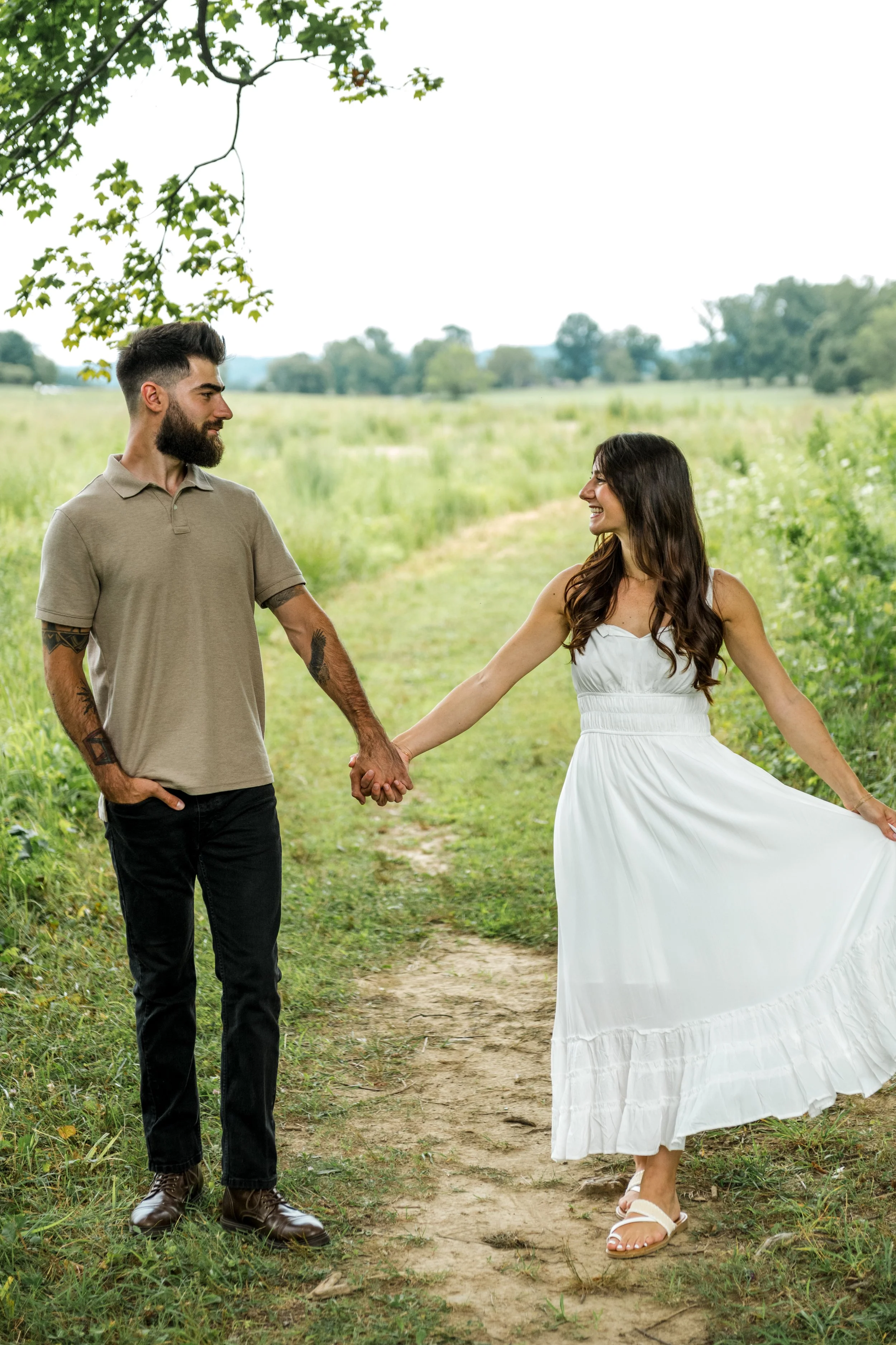
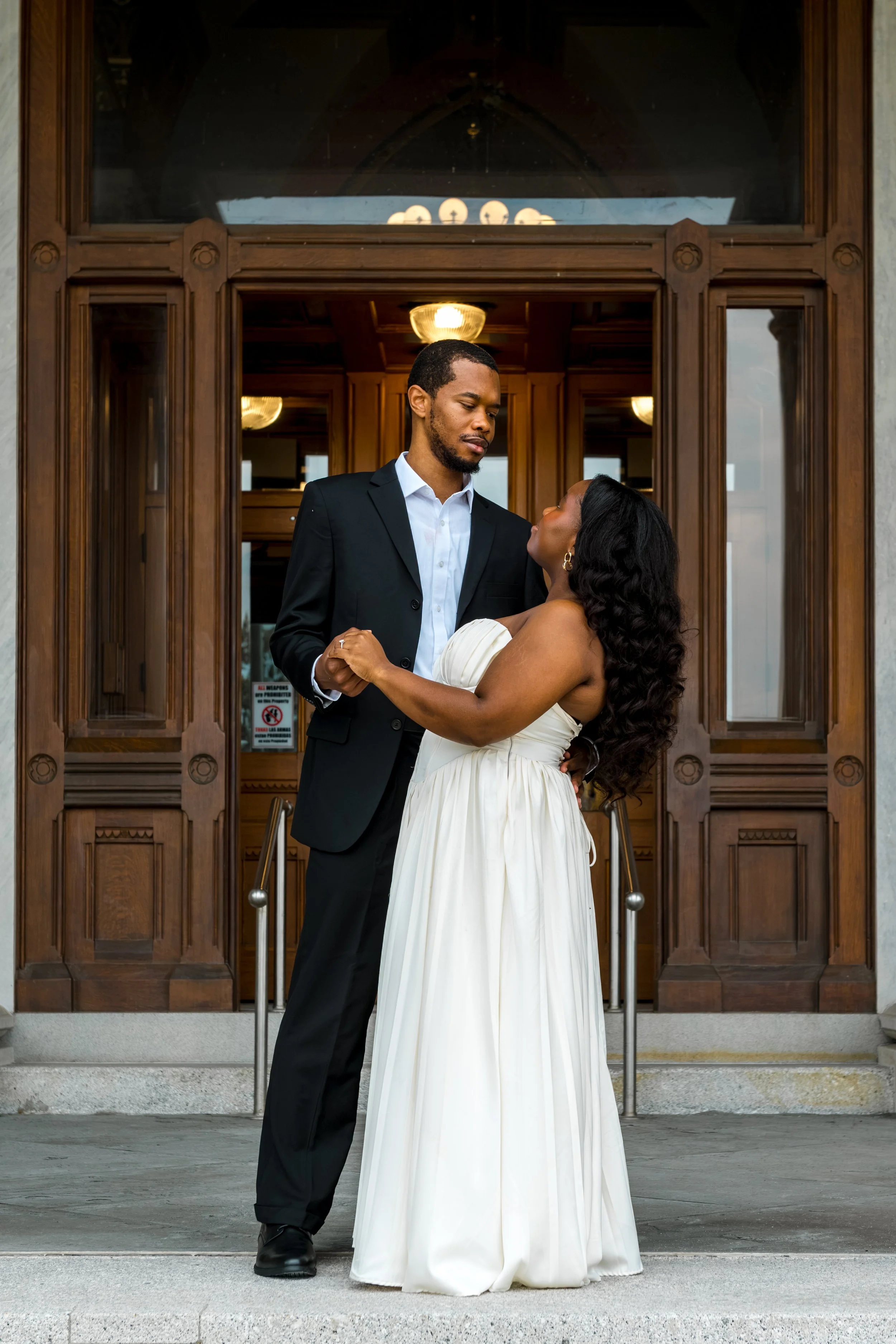
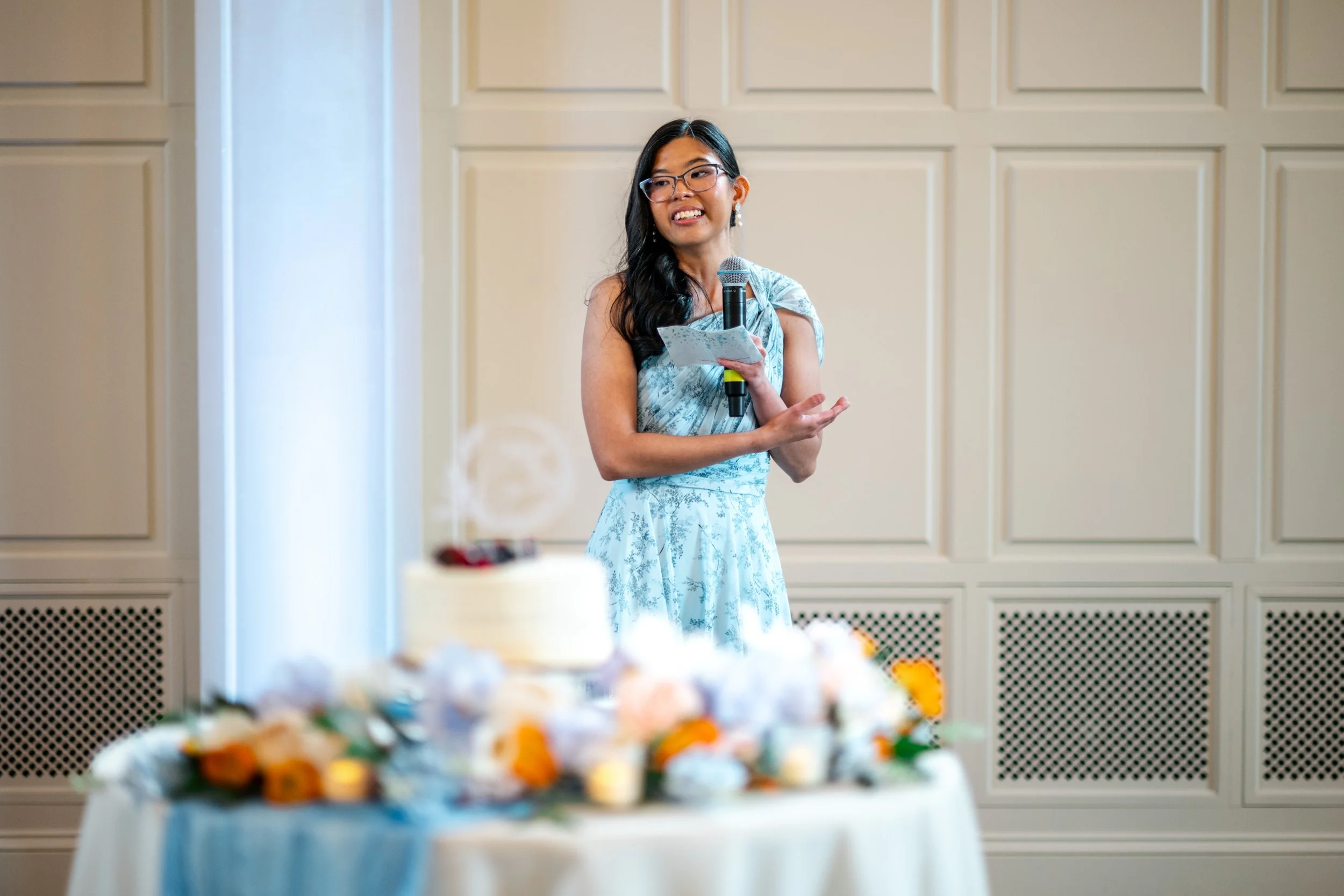
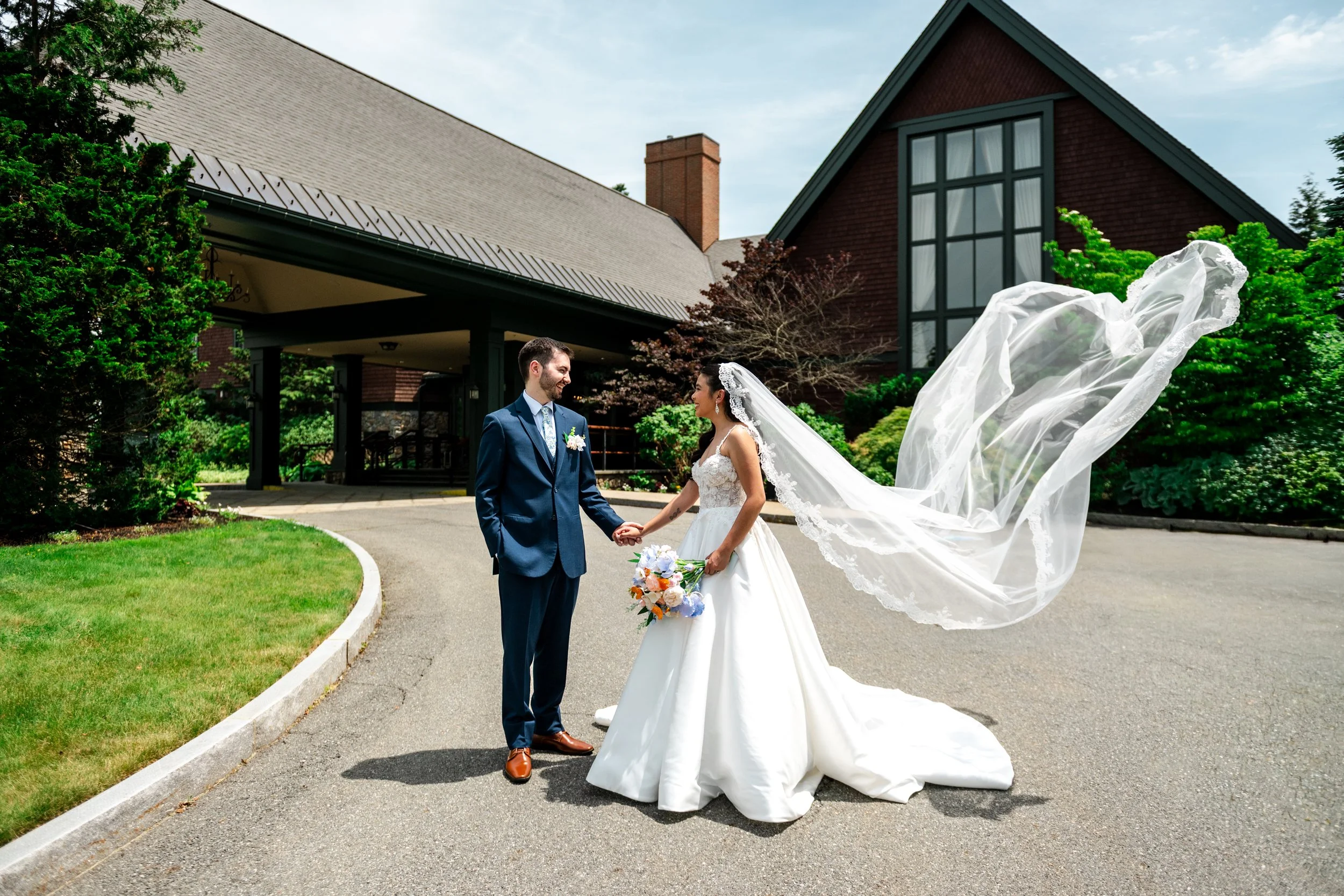
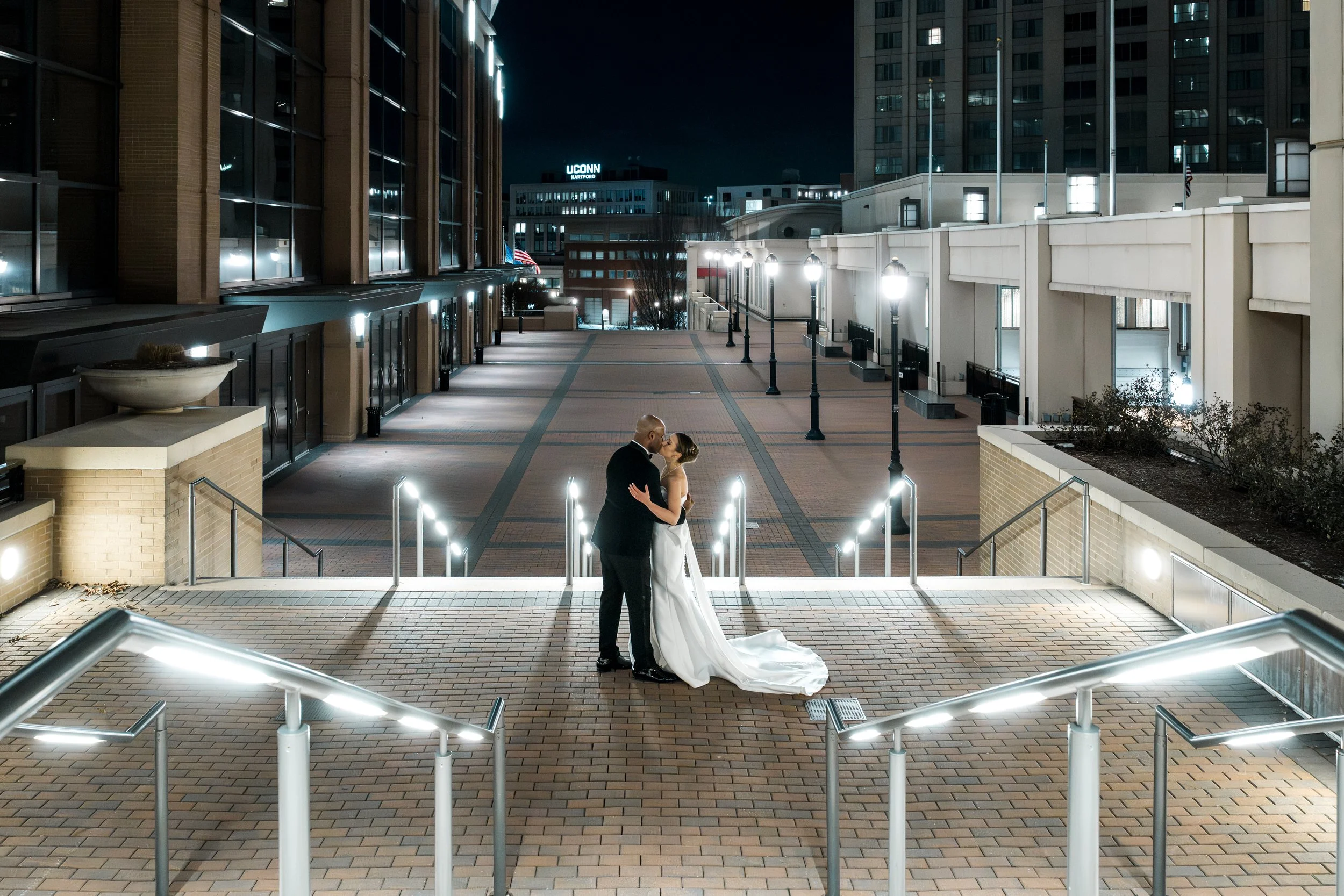

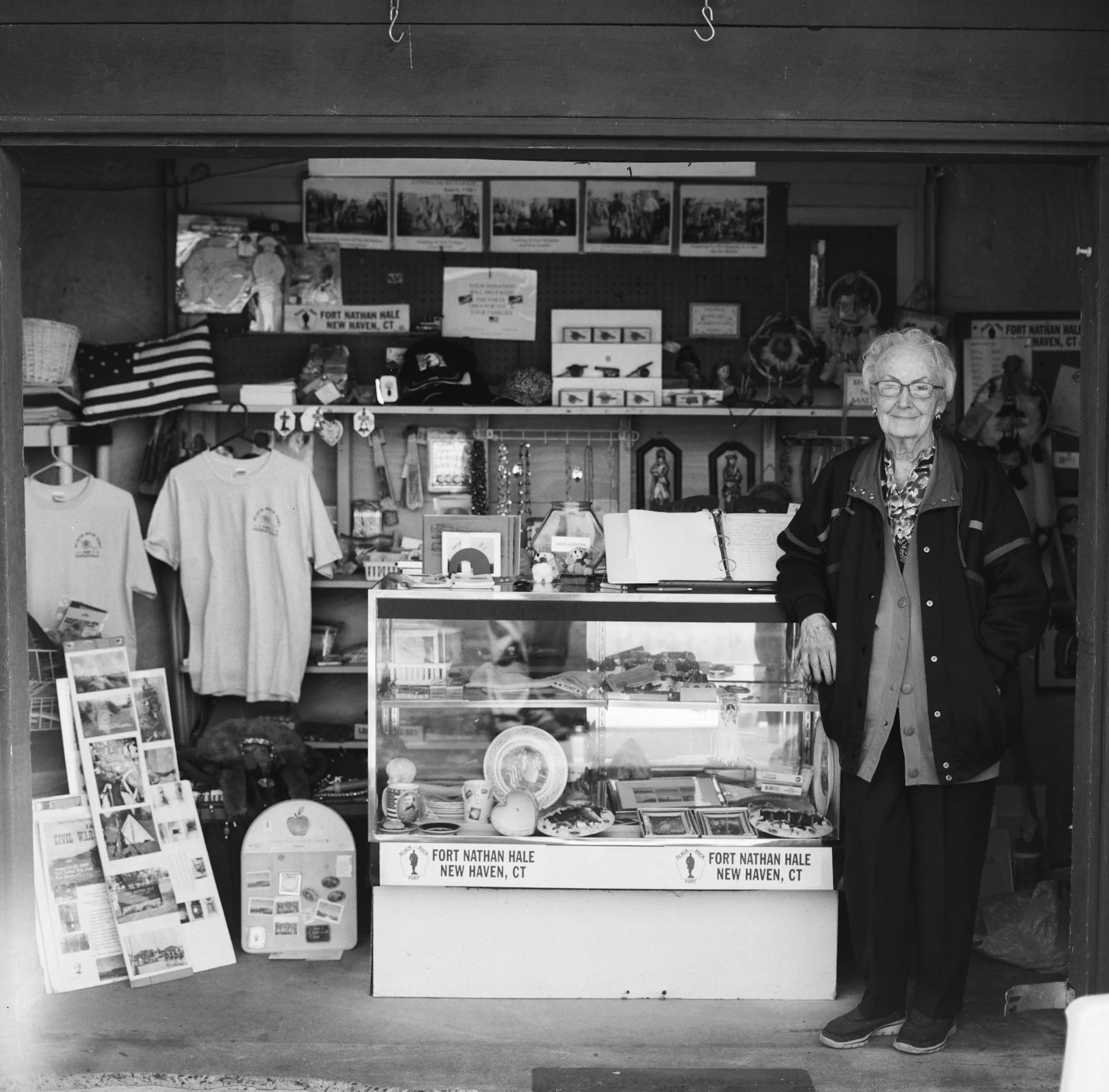

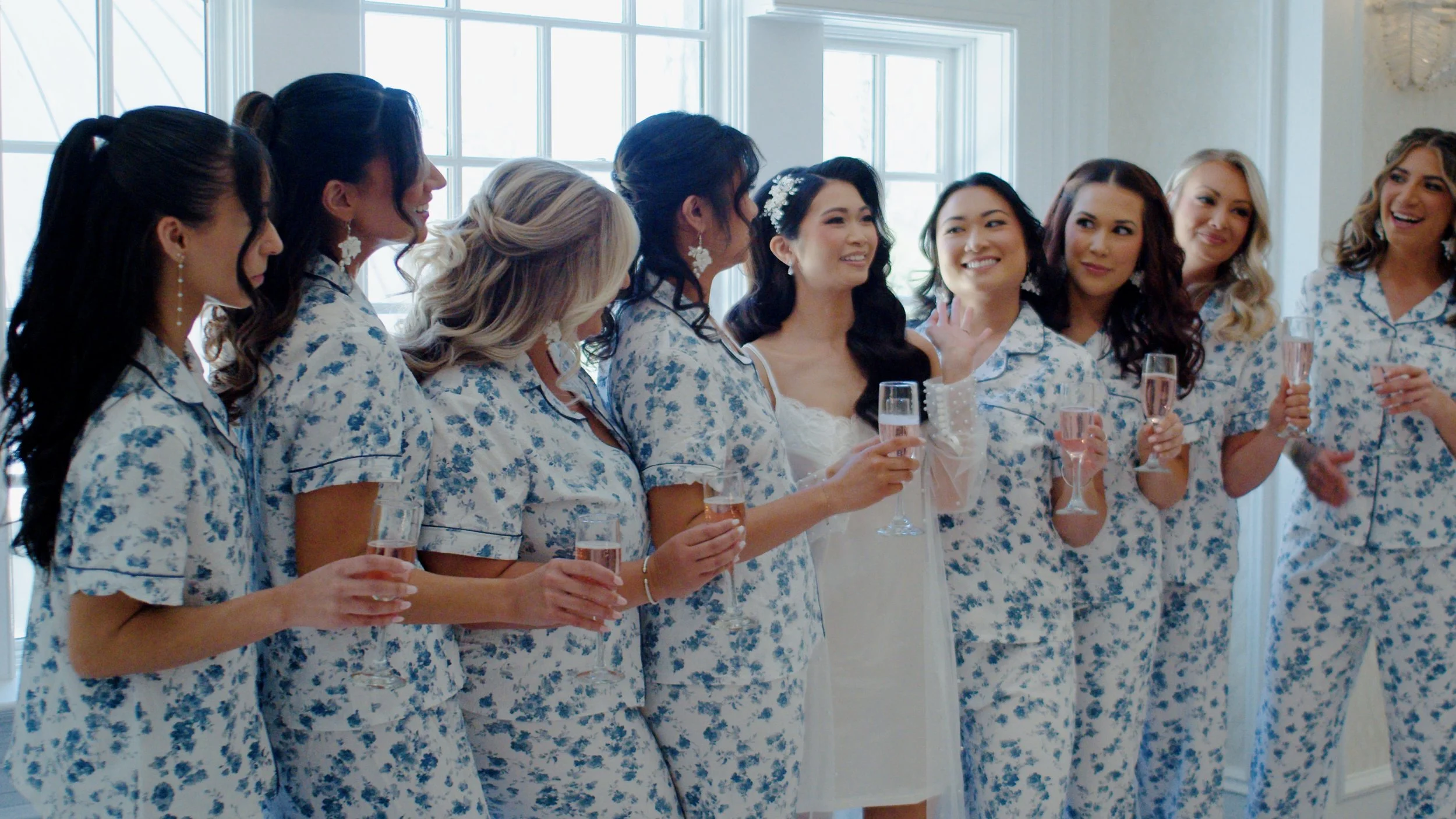
From quiet, emotional morning preparations in Easton to an unforgettable, high-energy reception at Mainline Catering and Events, Caitlin and Dale’s wedding day was filled with unscripted, genuine moments. Take a look inside their full wedding story.